




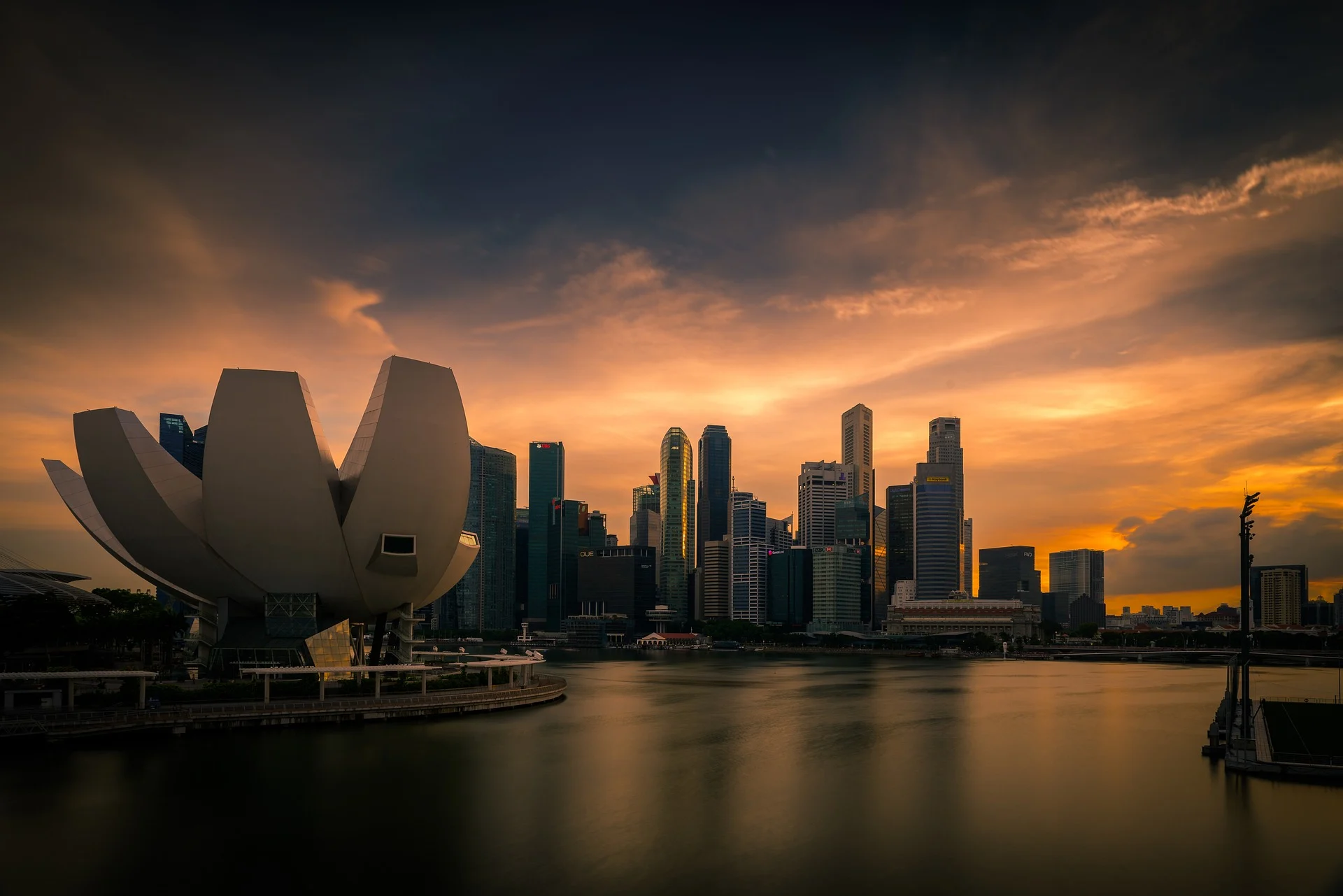
 São Paulo · Brazil


Submission received
Your information has been recorded by WONE.
Sourced guides to doing business in each market, and the status of every service there. Partners are in place in 38 markets so far.
One WONE Global Partner for each service in each market. Start from what you need to do, or go straight to a service.
Describe what you need. WONE Global names the service and the professional before any work begins.
Bring a requirement →Licences, value chains and the questions businesses in each industry ask first, with the services that usually apply.
What one country changes for the other, worked journeys step by step, and who handles each side.
When cross-border business becomes a dispute, UNIONE™, also part of the UNBOUNDED™ Global Ecosystem, prevents it, resolves it, arbitrates it and plans enforcement. 334 Fellows in 58 countries.
41 jurisdictions, each with primary sources and the date last checked.
Named senior professionals, each admitted as the one firm for a service in their country, and the firms they lead.
One Partner per service, per jurisdiction, admitted by review against published criteria.
Every statement is labelled: source-checked, professionally reviewed or not yet checked, with its source and date where checked.
Answers cite WONE Global's sourced statements and show how each one was checked. Research, not advice.
Accomplished regional specialists and international cross-border intelligence, across 100 countries, with one contact and one published Standard.
Service · Protect and resolve
Protecting your brands, technology and other intellectual property, and earning from them, across countries. Led by a WONE Global Partner where one is named. Elsewhere, WONE Global confirms on request whether a vetted Associate firm can act.
Professional knowledge centre
Intellectual property rights are territorial, so a brand, invention or design protected at home is unprotected abroad until it is registered or recognised in each market. Businesses expanding across borders need to decide early which rights to register, where, and through which route, and to make sure the company, not its staff or contractors, owns what it relies on. Recent changes matter: Saudi Arabia joined the Madrid System with effect from 8 October 2026, the EU design system was reformed from 1 May 2025, US-based Madrid filings moved to WIPO e-Filing on 1 October 2026, the UAE set a new trademark fee schedule in 2025, and the Unified Patent Court has operated across 18 EU states since June 2023.
Source-checked research100% of statements checked against a source93 checked against an official source7 checked against a secondary sourceChecked 2026-10-19Not yet professionally reviewed
Registered rights (trade marks, patents and registered designs) depend on filings with national or regional offices, supported by international treaties: the Paris Convention for priority, the Madrid System for trade marks, the PCT for patents and the Hague Agreement for designs. Copyright and some design rights arise automatically, which shifts the focus to proving creation and ownership.
Enforcement is as important as registration. Customs recordal, specialist courts, criminal offences and online blocking differ by market and often by emirate or state. The modules below compare the rules in the UK, the EU, the US, India, the UAE, Saudi Arabia, Singapore, Germany and France, with official fees and timings only where the office states them.
Trade marks are territorial: a UK, US or Indian registration protects only in that country, and the EU trade mark covers all EU Member States in one right. Brand owners choose between direct national filings, an EU trade mark, and international registration through the Madrid System, which now includes Saudi Arabia from 8 October 2026. Official fees, examination practice and opposition periods differ, and foreign applicants in the US must use a US attorney.
Questions on this topic
28 statements on trade mark registration
Patents protect inventions for up to 20 years from filing, but only in countries where they are granted, and only if the invention is new when the first application is filed. The usual cross-border route is a first national filing, a Patent Cooperation Treaty (PCT) application within 12 months, and national or regional phase entry at around 30 months. In Europe the Unitary Patent and Unified Patent Court, in operation since 1 June 2023, cover 18 EU states but not the UK.
Questions on this topic
19 statements on patents and the pct
Copyright, including in software, arises without registration in the UK and France, and registration is only optional in the UAE and Saudi Arabia, so ownership and evidence often matter more than filings. Terms run for the author's life plus 70 years in the UK, Germany and Singapore, and life plus 50 years for economic rights in the UAE. Registration is optional in the UAE and Saudi Arabia, but in the United States registration is needed before suing over a US work and affects the remedies available.
Questions on this topic
13 statements on copyright and software
Design rights protect the appearance of products. Registered protection lasts up to 25 years in the UK and the EU, 20 years in the UAE and 15 years from grant for US design patents, while the UK also has automatic unregistered rights. The EU reformed its design system from 1 May 2025 with new names and fees. International registration through the Hague Agreement covers the UK, Singapore and, since April 2025, Saudi Arabia.
Questions on this topic
11 statements on designs
Registration only helps if rights can be enforced quickly. Customs recordal lets border authorities detain suspected counterfeits, and it is free in the UK, costs USD 190 per class in the US, Rs 2,000 in India and AED 210 per category with Dubai Customs. Short response deadlines follow a detention. Court options, criminal offences and online blocking add further tools, and they differ by market.
Questions on this topic
16 statements on enforcement and customs recordal
Who owns IP created by staff and contractors depends on the type of right, the country and the paperwork. Employers usually own copyright and inventions made in the course of employment, but France needs written assignments for most author's rights, Germany requires a claim procedure and pays inventors remuneration, and contractors generally keep their rights unless they assign them in writing. Getting this wrong surfaces in due diligence and in disputes.
Questions on this topic
13 statements on employee and contractor ip ownership
Worked example, from official sources
A UK company launching a consumer brand in the UK, the EU, the US, India and the UAE wants trade mark protection in one class. Which routes are available, what are the official fees, and what official timings are stated?
| Market | Route | Official fee (one class) | Official timing stated | Source |
|---|---|---|---|---|
| United Kingdom | UK IPO national application | GBP 205 online | Examination report in 2 to 3 weeks; registration around 3 to 4 months if unopposed; 2-month opposition | GOV.UK |
| EU | EUIPO EU trade mark | EUR 850 | Not stated in sources opened | Austrian Patent Office restating EUIPO fees |
| United States | USPTO application (US attorney required) | USD 350 base fee | Not stated in sources opened | USPTO |
| India | IP India Form TM-A, e-filing | INR 9,000 | Not stated in sources opened | IP India |
| UAE | Ministry of Economy and Tourism | AED 750 (secondary source) | 30-day opposition period after publication | Law-firm summary; Federal Decree-Law 36 of 2021 |
| Alternative | Madrid international application via UK IPO | GBP 50 handling plus CHF 653 basic and designation fees | Not stated | GOV.UK; WIPO |
Result on these facts
Filed directly, official fees for one class are GBP 205 (UK), EUR 850 (EU), USD 350 (US), INR 9,000 (India) and about AED 750 (UAE, from a secondary source), before attorney costs, which are mandatory in the US for a foreign applicant. Only the UK IPO states an indicative timetable (about 3 to 4 months if unopposed). A Madrid filing based on the UK mark can replace several national filings, but its designation fees were not confirmed here and it remains dependent on the UK mark.
Confirm current fees on each office's fee schedule on the filing date, including USPTO surcharges, the UAE Ministry's fee schedule under Cabinet Resolution No. 102 of 2025, Madrid individual fees for each designated member, and whether the EU can be designated through Madrid. Check availability searches in each market before filing.
Each statement is numbered to the source it was checked against. We use official sources where we can, and each statement says whether it was checked against an official or a secondary source. Sources last checked on 19 October 2026. None of it has been professionally reviewed yet: it is research checked against official and secondary sources by WONE Global, not legal or tax advice.
Filing a UK trade mark application online costs £205 for one class plus £60 for each additional class; a paper application costs £250 for one class plus £60 per additional class. UK IPO fees. The optional Right Start route costs £125 plus £30 per additional class for an initial check, and the same again to continue.
Reused from gb-ip-g02.
If there are no objections or oppositions, a UK trade mark application usually takes around 3 to 4 months from filing to registration. Indicative timing stated by the UK IPO; objections or oppositions extend it.
Reused from gb-ip-g03.
The UK IPO sends an examination report within 2 to 3 weeks of filing; an accepted application is published in the Trade Marks Journal, and anyone may oppose it during a 2-month period. Whether and how the opposition period can be extended is not stated on this page.
Reused from gb-ip-g04.
An EU trade mark filed online with the EUIPO costs EUR 850 for one class, EUR 50 for the second class and EUR 150 for each class from the third. EUIPO fees for e-filing; a paper filing costs EUR 1,000 for one class.
Official page of a national IP office restating EUIPO fees; the EUIPO fee page itself could not yet be checked.
The USPTO base application fee is USD 350 for each class of goods or services included in a trademark application. Federal. Additional fees can apply at filing and during examination; the surcharges were not stated on the page opened.
The page was last updated 18 January 2025; it does not state an effective date for the fee.
Trademark applicants, registrants and parties whose domicile is outside the United States must be represented before the USPTO by an attorney qualified to practise under USPTO rules. Federal; trademark matters before the US Patent and Trademark Office.
Regulatory text read on the Cornell Legal Information Institute reproduction of the Code of Federal Regulations; the eCFR at ecfr.gov is the government version. Reused from us-ip-002.
The official fee for a trade mark application on Form TM-A is INR 4,500 per class for e-filing (INR 5,000 on paper) for an individual, startup or small enterprise, and INR 9,000 per class for e-filing (INR 10,000 on paper) in all other cases. Central; fee applies for each class and each mark. Renewal on Form TM-R is INR 9,000 per class for e-filing.
Cabinet Resolution No. (102) of 2025 set a new UAE trademark fee schedule, with a trademark application fee of AED 750 per class and a 50% reduction for SMEs registered under the National Program for SMEs. Federal. Reported to take effect 60 days after Official Gazette publication; a one-day examination service is listed at AED 2,250 and an opposition at AED 7,500.
Secondary source; the Ministry of Economy and Tourism service page could not yet be checked, and no separate registration fee was stated in the briefing.
Interested parties may oppose a published trademark application within 30 days of publication. Federal.
Reused from ae-ip-002.
An international trade mark application filed through the UK IPO under the Madrid Protocol must be identical to the applicant's UK application or registration, and costs a £50 UK handling fee plus WIPO fees that depend on the countries designated. The UK IPO page says Madrid can cover over 130 countries. A UK registration does not protect a mark in the EU; EU-wide protection is through an EU trade mark at the EUIPO.
Reused from gb-ip-g07.
An international trade mark application under the Madrid System carries a WIPO basic fee of CHF 653 for a black and white mark or CHF 903 for a mark in colour, plus a complementary fee of CHF 100 per designated member and a supplementary fee of CHF 100 per class beyond three, unless the member charges an individual fee instead. All fees are paid in Swiss francs. Applicants from least developed countries receive a 90% reduction in the basic fee. Office of origin handling fees are additional.
The Paris Convention for the Protection of Industrial Property has applied to the United Kingdom since 7 July 1884. The Convention is the basis for priority claims from a first filing in another member state.
Reused from gb-ip-g25.
An applicant who first filed the same trade mark in a Paris Convention or WTO member within the previous 6 months can claim that earlier filing date as priority in Singapore. Applies only where the foreign filing was the applicant's first filing for that mark.
Reused from sg-ip-002.
An EU trade mark obtained from the EUIPO through one application gives uniform protection throughout the EU, including France, on an all-or-nothing basis; the basic filing fee is EUR 850 for 10 years' protection for one mark. Renewal was not stated on the page opened. National French marks are an alternative or complement.
Reused from fr-ip-005.
An EU trade mark is valid for ten years from registration and can be renewed for further ten-year periods. EU trade marks registered by the EUIPO.
Official page of a national IP office restating EUIPO fees; the EUIPO fee page itself could not yet be checked.
A US federal trademark application can be based on existing use of the mark in commerce or on a bona fide intention to use it; an intent-to-use mark is not registered until the applicant files a verified statement that the mark is in use. Federal (Lanham Act). Filings under 15 USC 1126 (foreign registrations) and Madrid Protocol extensions follow separate rules.
Statutory text read on the Cornell Legal Information Institute reproduction of the United States Code; the official text is published at uscode.house.gov. Reused from us-ip-001.
A UAE trademark registration under Federal Decree-Law No. 36 of 2021 protects the mark for ten years from the filing date, renewable for similar periods; the Decree-Law has applied since 2 January 2022. Federal; applies across the UAE including free zones.
Reused from ae-ip-001.
The Madrid Protocol entered into force for the United Kingdom on 1 December 1995. UK ratification deposited 6 April 1995.
Reused from gb-ip-g08.
The Madrid Protocol entered into force for the United States on 2 November 2003. International trademark registration through WIPO; the USPTO examines US designations.
Reused from us-ip-003.
The Madrid Protocol has been in force for India since 8 July 2013. Instrument deposited 8 April 2013.
Reused from in-ip-003.
The UAE acceded to the Madrid Protocol on the international registration of marks by Federal Decree No. 67 of 2021. Federal.
Stated in the preamble of the Trademarks Decree-Law; the Ministry's e-services page links to WIPO Madrid e-filing. Not checked against WIPO's own membership page. Reused from ae-ip-004.
The UK IPO will not register marks that describe the goods or services, are too common or non-distinctive, are offensive or misleading, consist of a generic shape, or use national flags or official emblems without permission; a mark may also be refused if it is the same as or similar to an earlier mark for the same goods or services. Summary of the UK IPO's plain-language guidance on registrability.
Reused from gb-ip-g06.
Any interested party may apply to cancel a registered trademark that has not been used for five consecutive years, unless use was prevented by emergency circumstances. Federal.
Reused from ae-ip-003.
The DPMA warns that it does not send invoices or payment requests for trademark applications or renewals, and that private companies send misleading payment demands.
Reused from de-ip-012.
WONE Global Intelligence
Ask in your own words. Answers come from WONE Global's checked records, with every source shown, and end with the named Partner who can act. Go deeper on any point, or build a decision file.
Scope
Key questions
You don’t need the answers before you talk to us. Working through them is the first thing we do together.
Coverage
A named WONE Global lead in 4 markets today. In every other featured market, WONE Global arranges qualified local expertise on request and tells you who it is before work begins.
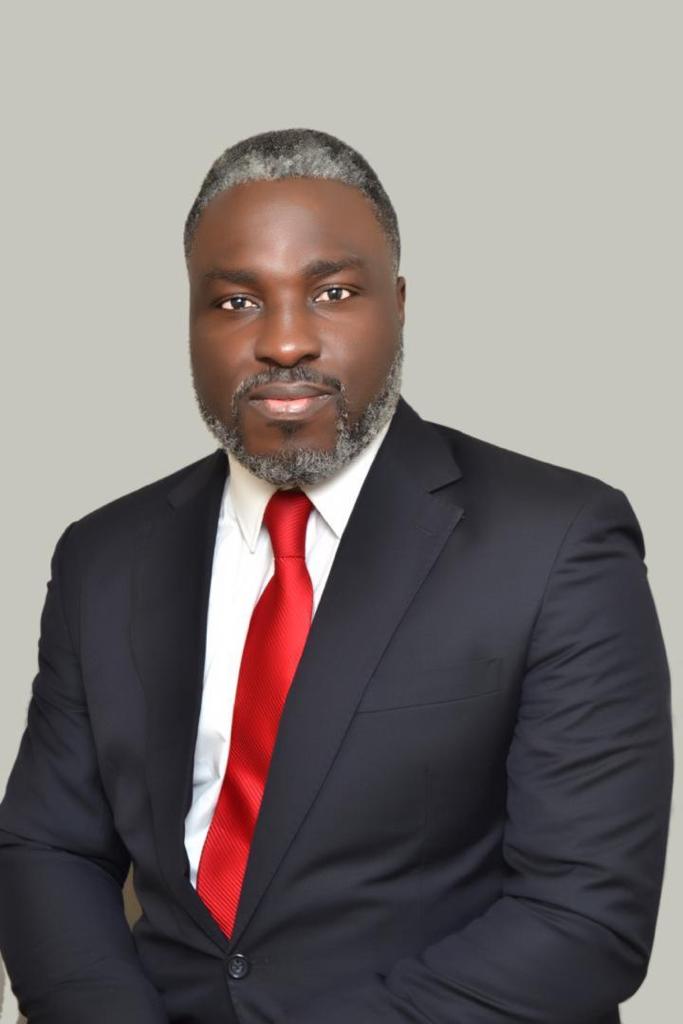
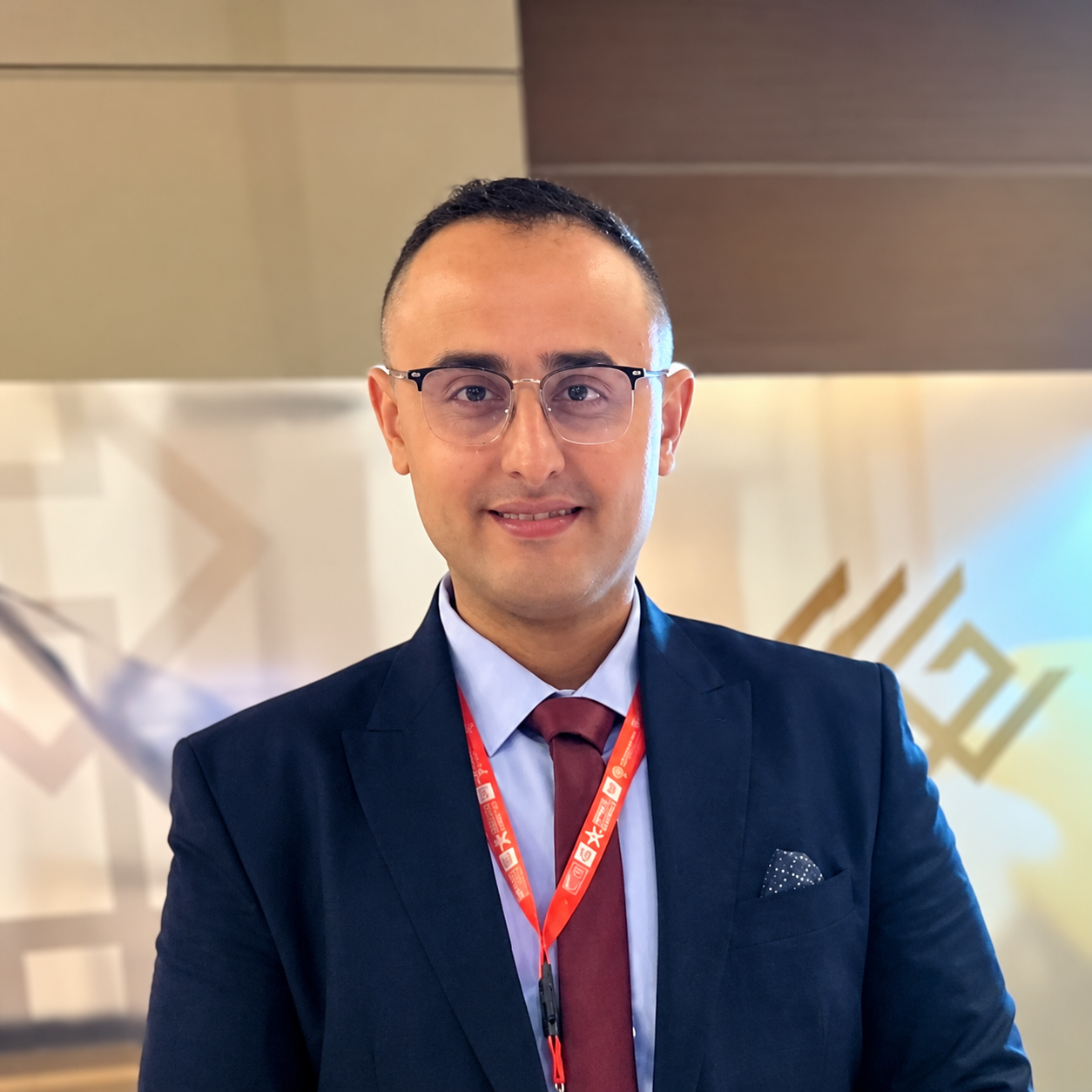
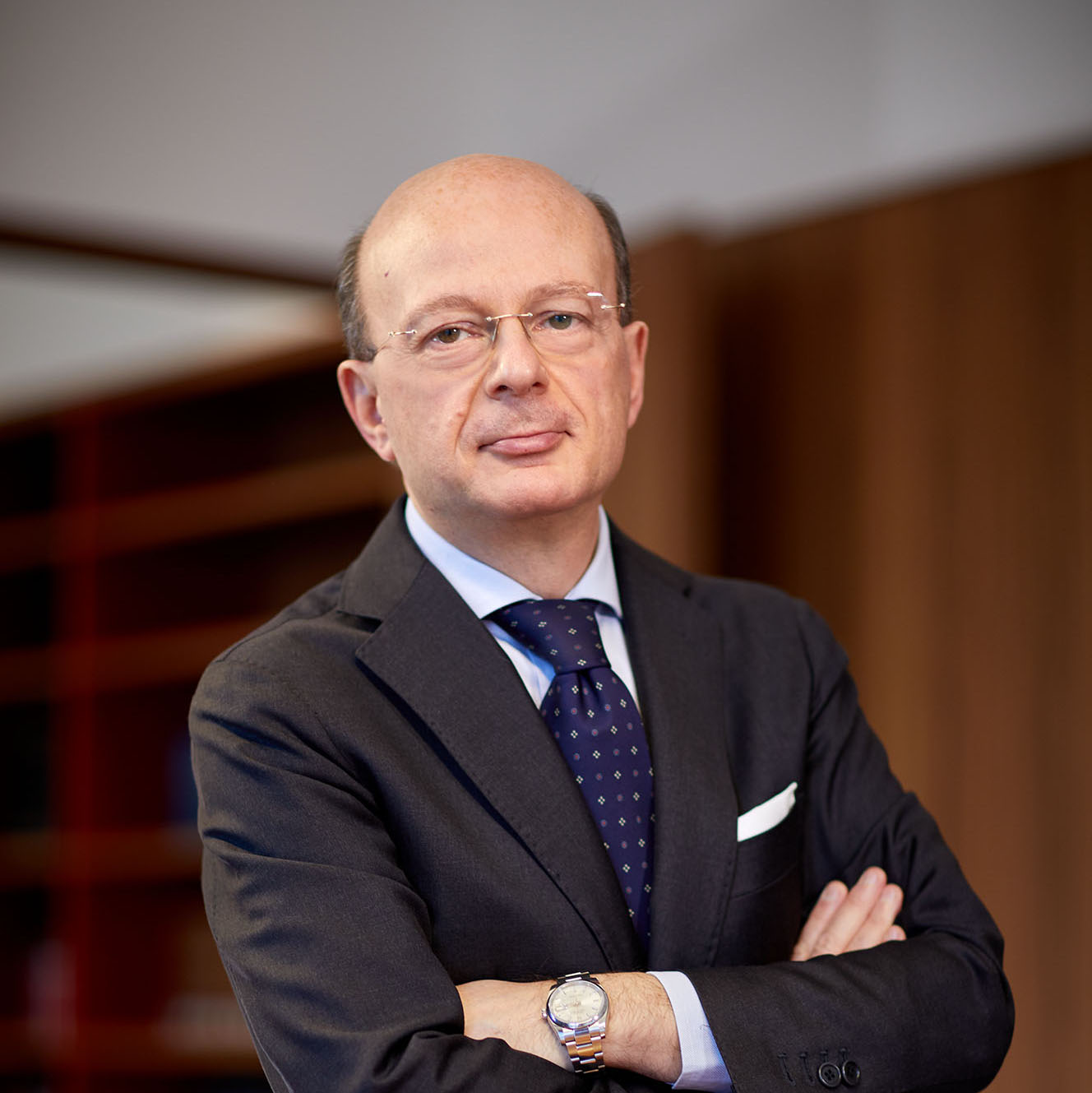
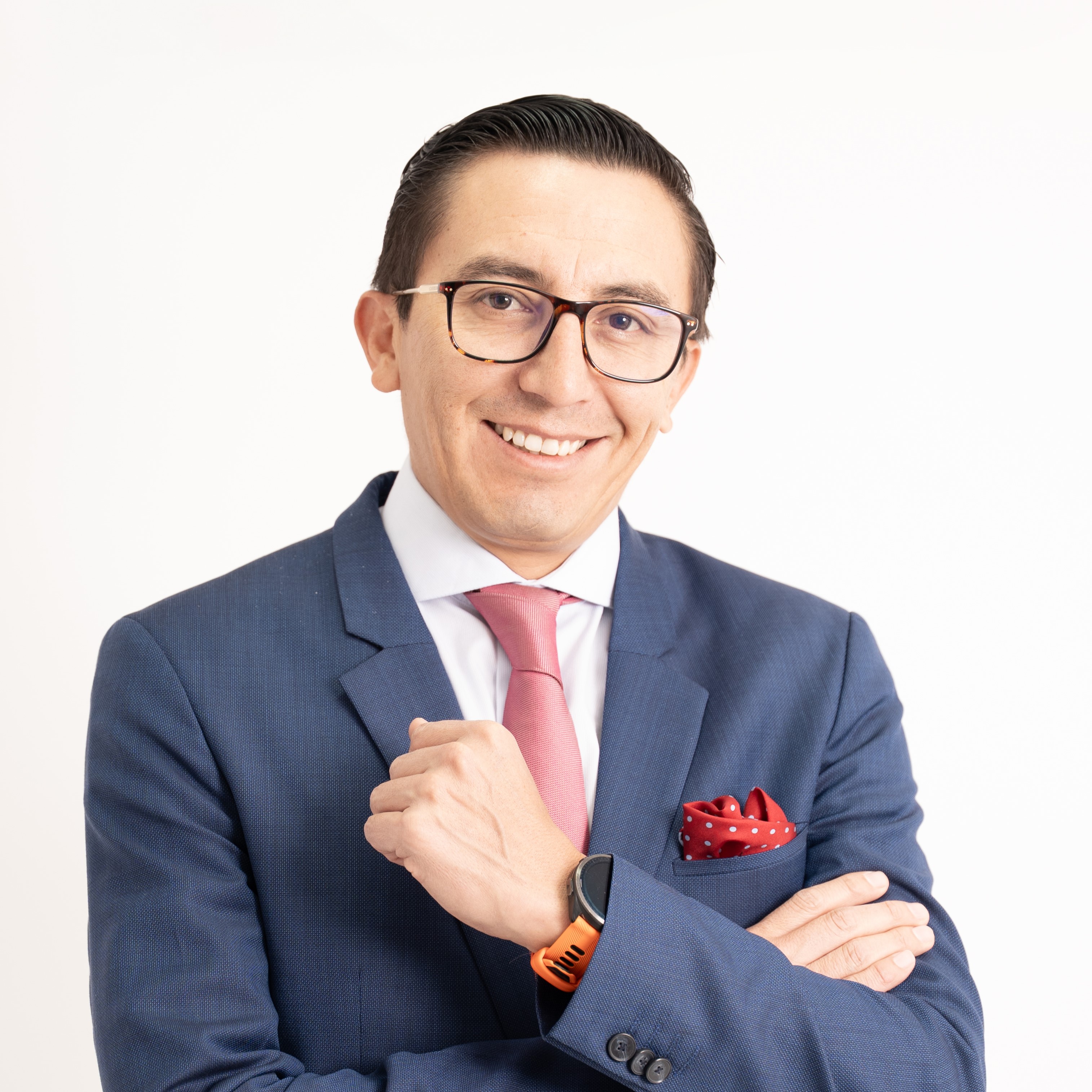
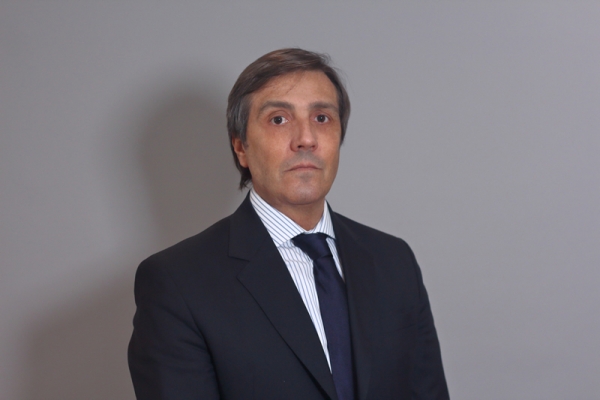
 BrazilLed by Luis Felipe Balieiro Lima
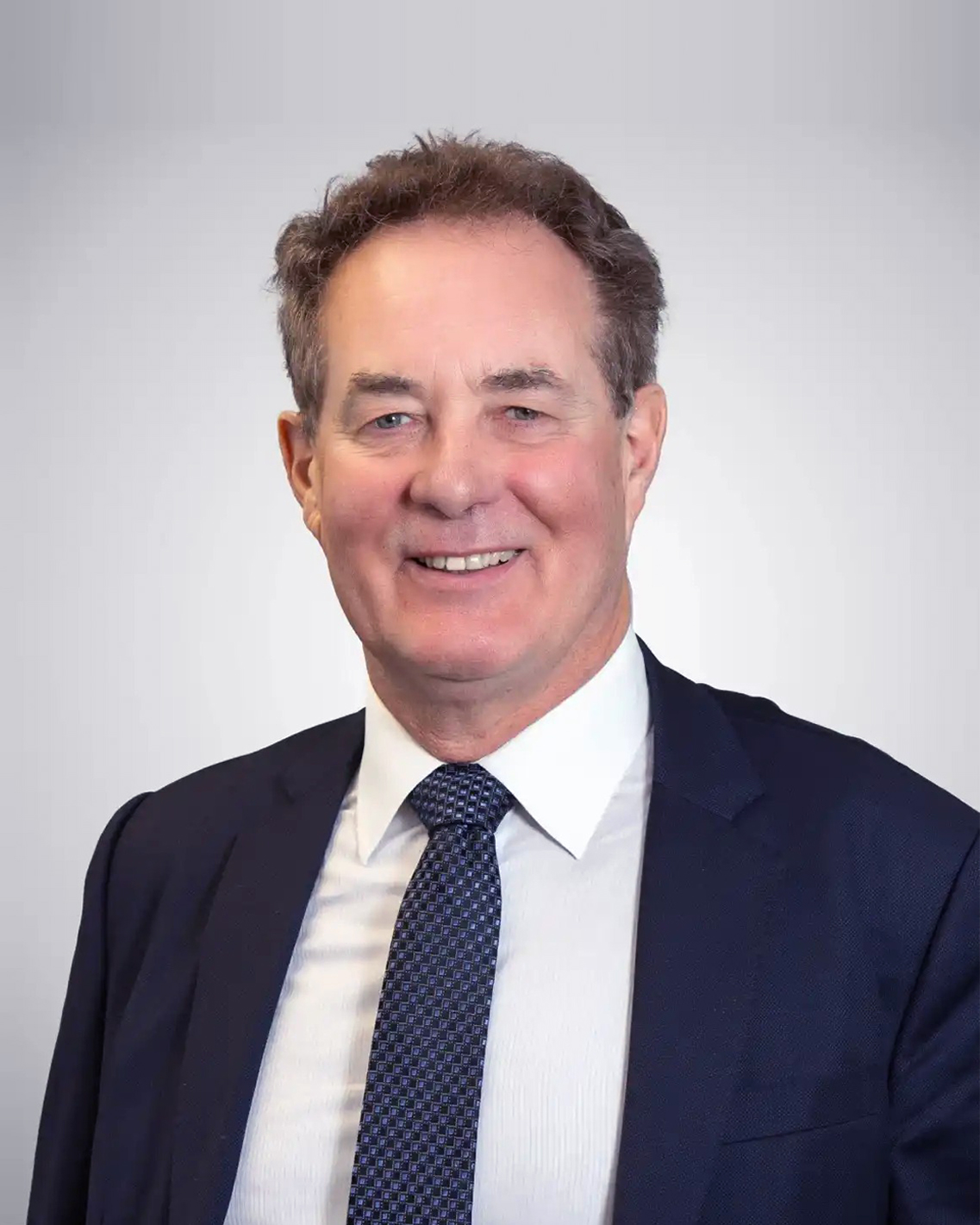
 PolandLed by Andrzej Zacharzewski
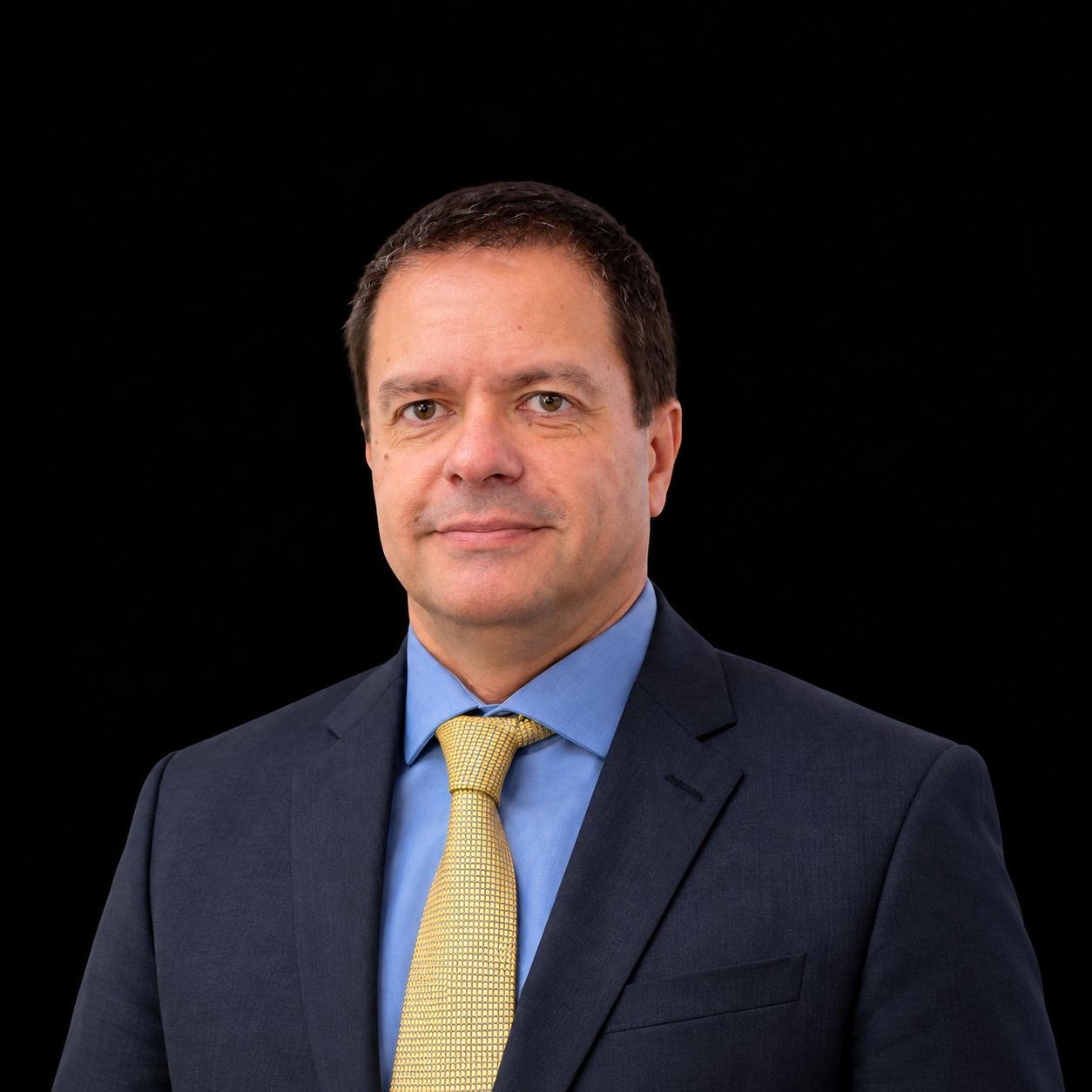
 South AfricaLed by Kameel Keshav CA(SA)
 UgandaLed by Tony Galandi Kiire
WONE Global Partners
Each is responsible for this service in their own jurisdiction, under their own professional rules.
Who does what
WONE Global is not a law, tax or audit firm. Each firm is independent and regulated where it practises.
Cases
The cases this service leads or joins, in the words clients use. Each sets out what is at stake, how WONE Global handles it and who handles it in each market.
Every case involving Intellectual Property & Brand Protection →
Contact WONE Global
Save your questions, decisions and WONE activity in one account.
Forgot your password? Reset it securely.
Partner workspaces are for Partner firms. Explore partnership →