







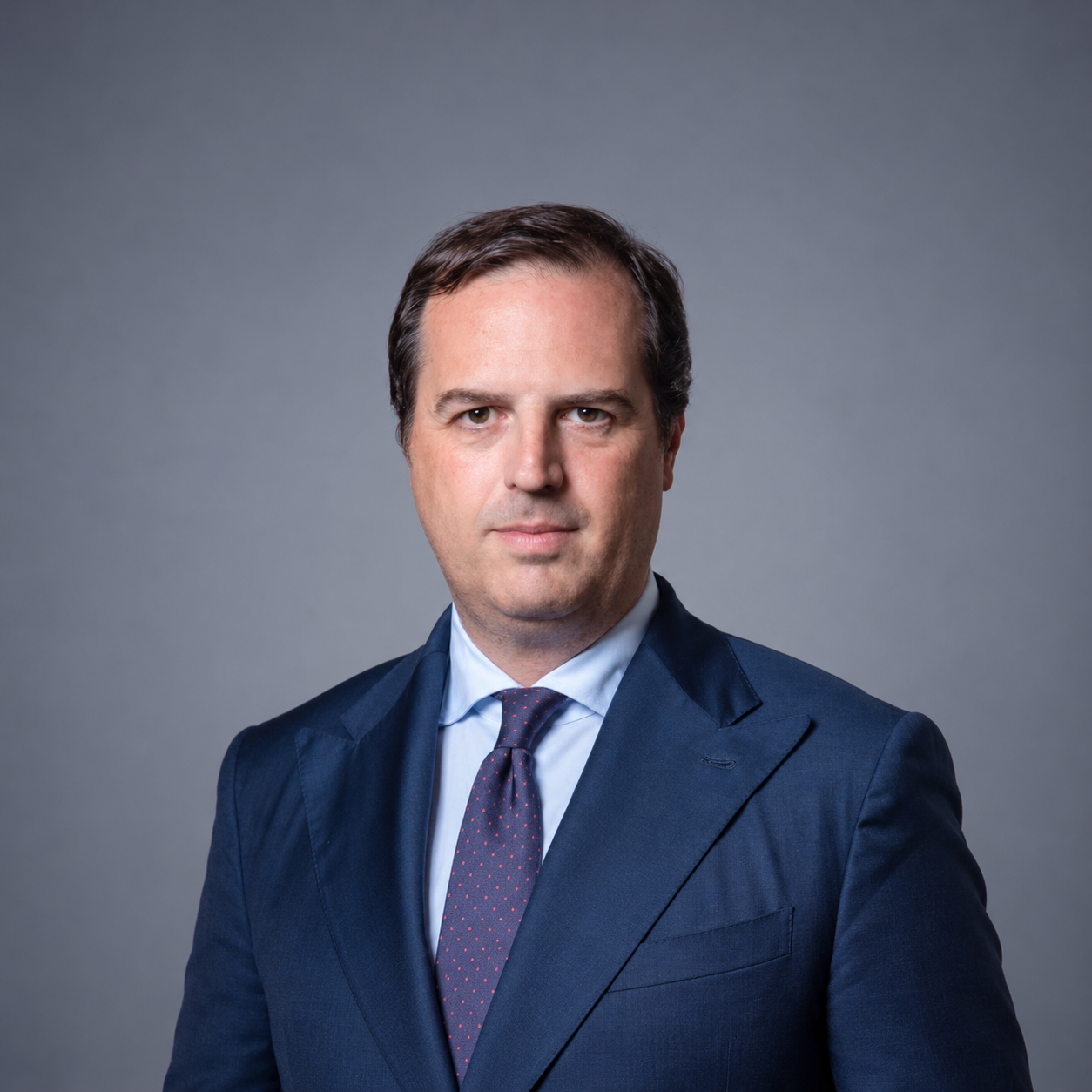



 Vienna · Austria

Submission received
Your information has been recorded by WONE.
Sourced guides to doing business in each market, and the status of every service there. Partners are in place in 35 markets so far.
One WONE Global Partner for each service in each market. Start from what you need to do, or go straight to a service.
Describe what you need. WONE Global names the service and the professional before any work begins.
Bring a requirement →Licences, value chains and the questions businesses in each industry ask first, with the services that usually apply.
What one country changes for the other, worked journeys step by step, and who handles each side.
When cross-border business becomes a dispute, UNIONE™, also part of the UNBOUNDED™ Global Ecosystem, prevents it, resolves it, arbitrates it and plans enforcement. 334 Fellows in 58 countries.
41 jurisdictions, each with primary sources and the date last checked.
Named senior professionals, each admitted as the one firm for a service in their country, and the firms they lead.
One Partner per service, per jurisdiction, admitted by review against published criteria.
Every statement is labelled: source-checked, professionally reviewed or not yet checked, with its source and date where checked.
Answers cite WONE Global's sourced statements and show how each one was checked. Research, not advice.
Accomplished regional specialists and international cross-border intelligence, across 100 countries, with one contact and one published Standard.
Service · Tax and accounts
Accounts, reporting and filings that keep each company abroad up to date and compliant. Led by a WONE Global Partner where one is named. Elsewhere, WONE Global confirms on request whether a vetted Associate firm can act.
Professional knowledge centre
Accounting and statutory compliance is the work of making sure every entity in a group keeps the books, prepares the accounts and files the returns its own country requires, on that country's timetable and in its format. For a cross-border business the difficulty is not any single rule but the mismatch between them: different frameworks, deadlines, languages, retention periods and filing systems apply to entities that the group manages as one. Three changes are reshaping the field in 2026 and 2027: mandatory e-invoicing in Saudi Arabia, the UAE, Germany and France; a much narrower EU sustainability reporting regime after the 2026 Omnibus directive; and fully digital accounts filing, with UK software-only filing from April 2028. The practical goal is a single calendar and policy set that meets the strictest local rule without duplicating work.
Source-checked research100% of statements checked against a source52 checked against an official source2 checked against a secondary sourceChecked 2026-10-19Not yet professionally reviewed
Statutory reporting has three layers. The accounting framework decides how numbers are measured: IFRS for EU-listed groups, local GAAP such as the German HGB, or a choice as in the UK. Company law decides what must be prepared, approved and published, and when. Tax law often adds its own record-keeping and filing rules, which can be longer or stricter than company law, as in the UK where tax records are kept for 6 years against 3 years under company law for a private company.
This centre compares those layers across the UK, Germany, France, Singapore, the UAE, Saudi Arabia, India and the United States, with EU instruments where they apply. Figures and dates are claims with sources. Several Indian, Saudi and Singapore points could not yet be confirmed from official sources and are listed as gaps rather than stated.
Every entity in a group keeps its statutory books under the framework its home law prescribes, which may differ from the framework used for group reporting. The EU requires IFRS only for the consolidated accounts of listed companies and leaves other choices to Member States; Germany still requires HGB accounts in German and in euros; the UK allows IFRS or UK GAAP; the US requires US GAAP for SEC filers but accepts IASB IFRS from foreign private issuers. In the UAE the corporate tax law ties taxable income to accounts prepared under accepted standards, in practice IFRS.
Questions on this topic
8 statements on accounting frameworks: ifrs, local gaap and ind as
Each market sets its own clock for preparing, approving and publishing accounts, and the clocks rarely line up with the group's year-end timetable. The UK gives private companies 9 months to file at Companies House with automatic penalties after that, Germany allows up to 12 months for publication but only 3 to 6 months to prepare, France ties filing to approval within 6 months, and Singapore ties filing to the AGM. Digital filing is tightening, with UK software-only filing from April 2028.
Questions on this topic
10 statements on filing deadlines and public registries
Bookkeeping rules decide where a subsidiary's ledgers may sit, in what language, and how long every invoice must be kept. Retention periods range from 5 years in Singapore to 7 in the UAE and 10 in Germany and France, and company law and tax law often set different periods in the same country. Germany and Saudi Arabia expect books to be kept in the country unless conditions are met, which matters for shared service centres and cloud systems.
Questions on this topic
9 statements on bookkeeping rules: language, currency, retention and location
Mandatory e-invoicing is turning invoicing into a system integration project with fixed go-live dates. Saudi Arabia has required compliant electronic invoices since December 2021 and is integrating taxpayers with FATOORA in waves, the UAE starts with large businesses on 1 January 2027, India has applied e-invoicing above INR 50 million turnover since 2023, Germany and France are phasing in domestic B2B mandates, and the EU's ViDA package makes e-invoicing the default for intra-EU trade from 1 July 2030.
Questions on this topic
10 statements on e-invoicing mandates
Consolidation rules decide which entities must prepare group accounts and which can rely on a parent's accounts instead. Both the UK and Germany require parents to consolidate but give exemptions for small groups and for intermediate parents included in a larger group's audited accounts. The location of the ultimate parent matters: some UK and German reliefs are open only to parents in particular jurisdictions, and branches of foreign companies file their head office accounts locally.
Questions on this topic
8 statements on group reporting and consolidation
Sustainability reporting rules changed sharply in 2025 and 2026. The EU first postponed CSRD reporting for later waves by two years, then the February 2026 Omnibus directive narrowed scope to undertakings with more than EUR 450 million turnover and 1,000 employees and raised the thresholds for non-EU groups. The UK published its own ISSB-based standards, UK SRS, in February 2026 for voluntary use while mandatory use is still being consulted on.
Questions on this topic
9 statements on sustainability reporting: csrd, issb and uk srs
Worked example, from official sources
What must a small, wholly foreign-owned operating subsidiary do at its year end in the UK, Germany, Singapore and the UAE, and by when?
| Market | Accounts framework | Key deadline | Public filing | Records retention |
|---|---|---|---|---|
| United Kingdom | IFRS or UK GAAP | Accounts at Companies House by 30 September 2027; tax return within 12 months | Yes, Companies House; penalties from £150 | 3 years (company law); 6 years (tax) |
| Germany | HGB, in German and euros | Prepare by 30 June 2027 at the latest (small company) | Yes, company register by 31 December 2027 | 10 years books; 8 years vouchers |
| Singapore | Not confirmed (see gaps) | AGM within 4 to 6 months of year end | Yes, XBRL; a foreign-owned company is not an exempt private company | At least 5 years (tax) |
| UAE (mainland) | Accepted standards; IFRS per secondary source | Corporate tax return by 30 September 2027 | No public filing confirmed | 7 years after the tax period |
Result on these facts
All four subsidiaries face a deadline in the third quarter of 2027, but the earliest pressure point differs: Germany requires the accounts to be prepared by mid-2027 even though publication can wait until the end of 2027, and Singapore ties filing to an AGM within four to six months. The UK and UAE both fall on 30 September 2027, one for public accounts and one for the tax return. Only the UK, Germany and Singapore put the accounts on a public register; the UAE requirement confirmed here is tax filing.
Confirm the exact Singapore AGM and annual return deadlines and the accounting framework for a non-listed company with ACRA, the UAE accounting standards decision and any free zone filing rules, the German penalty regime, and whether each company is small for the year in question. Dates assume no extensions.
Each statement is numbered to the source it was checked against. We use official sources where we can, and each statement says whether it was checked against an official or a secondary source. Sources last checked on 19 October 2026. None of it has been professionally reviewed yet: it is research checked against official and secondary sources by WONE Global, not legal or tax advice.
Statutory accounts must be prepared under either International Financial Reporting Standards or UK Generally Accepted Accounting Practice. UK companies' statutory accounts.
A private company must file annual accounts with Companies House within 9 months of its financial year end (first accounts within 21 months of incorporation), pay corporation tax within 9 months and 1 day of the end of its accounting period, and file its Company Tax Return within 12 months. Private limited companies. Different payment dates apply to large and very large companies.
Companies House charges an automatic civil penalty for late accounts: for a private company £150 if up to one month late, £375 up to three months, £750 up to six months and £1,500 beyond six months; for a public company £750, £1,500, £3,000 and £7,500. UK companies. Failure to deliver acceptable accounts on time is also a criminal offence for which directors can be prosecuted.
UK company law requires accounting records to be kept at the registered office or another place the directors think fit; if they are kept outside the UK, accounts and returns must be sent to and kept in the UK, and the records must be preserved for three years (private companies) or six years (public companies). Companies Act 2006, subject to insolvency rules. The tax retention period of 6 years (ars-bookkeeping-rules-001) is longer for private companies.
For tax purposes a UK limited company must keep its records for 6 years from the end of the last company financial year they relate to, and longer in some cases. Longer where records cover more than one accounting period, relate to assets expected to last more than 6 years, the Company Tax Return was late, or HMRC has started a compliance check.
German annual financial statements must be prepared in the German language and in euros. Every merchant (Kaufmann) preparing annual accounts under the HGB, including German subsidiaries and GmbHs of foreign groups.
The legal representatives of a German corporation must prepare the annual accounts and management report for the previous year within the first three months of the financial year; small corporations need no management report and may take up to six months. Kapitalgesellschaften including GmbH; small as defined in § 267 Abs. 1 HGB. The six-month period applies only where consistent with proper business practice.
Annual accounts must be transmitted electronically to the body operating the company register (Unternehmensregister) no later than one year after the balance sheet date. Disclosure duty of corporations; scope of documents depends on size class.
German merchants must keep books, inventories, annual and consolidated accounts and management reports for 10 years, accounting vouchers (Buchungsbelege) for 8 years, and business letters received and sent for 6 years. HGB; credit institutions, insurers and certain securities institutions keep vouchers for 10 years. Tax law (§ 147 AO) has its own periods, not checked here.
Singapore companies must hold their annual general meeting within four to six months of their financial year end. Companies Act 1967; the ACRA overview page does not separate listed and non-listed deadlines, and private companies can in some cases dispense with an AGM.
The ACRA due-dates subpage, which separates listed and non-listed companies, could not yet be checked.
Singapore-incorporated companies file their financial statements with ACRA in XBRL: full XBRL as the default, and simplified XBRL with a PDF copy for smaller non-publicly accountable companies whose revenue and total assets each do not exceed S$500,000. Banks, finance and insurance companies regulated by MAS file financial statements highlights; companies limited by guarantee file PDF only. Consolidated figures are used where the company has subsidiaries, associates or joint ventures.
A solvent exempt private company in Singapore need not file financial statements with ACRA, although it may file voluntarily. Exempt private company: fewer than 20 members and no corporation holding a beneficial interest in its shares (or a gazetted government-owned company). A company wholly owned by a foreign parent company is therefore not an exempt private company. Solvency is declared when filing the annual return.
Singapore companies must maintain proper records and accounts of business transactions for at least 5 years from the relevant year of assessment. Income tax record-keeping; Companies Act retention and language rules could not yet be checked.
Only the page summary rendered; the detailed guidance could not yet be checked.
UAE corporate tax is computed from financial statements prepared for financial reporting purposes in accordance with accounting standards accepted in the State. Federal corporate tax, mainland and free zones. The accepted standards are set by Ministerial Decision.
For UAE corporate tax purposes, financial statements must apply IFRS, while taxpayers with revenue not exceeding AED 3 million, or in exceptional circumstances on application to the Federal Tax Authority, may use the cash basis. Federal corporate tax. Whether IFRS for SMEs may be used below a revenue threshold was not confirmed.
Secondary source used because the Ministerial Decision on accounting standards (understood to be No. 114 of 2023) could not yet be checked.
Every taxable person must register for corporate tax and file a corporate tax return no later than nine months after the end of the relevant tax period. Federal. The Minister may prescribe registration exceptions. Registration is required even where the business is already VAT-registered.
The FTA Corporate Tax page carries a news item that returns and payment for financial years ended 31 December 2025 were due by 30 September 2026.
A UAE taxable person must keep all records and documents for seven years following the end of the tax period to which they relate. Federal corporate tax, mainland and free zones; overrides the Tax Procedures Law period. Exempt persons must keep records that show their exempt status for the same period.
Under German tax law books and records must be kept in Germany; electronic books may be kept in one or more other EU Member States, and in a non-EU country only with the prior approval of the competent tax office on written or electronic application. Approval outside the EU requires disclosure of the system location or service provider, compliance with filing and cooperation duties, full data access for the authority, and no impairment of taxation; it must be revoked if taxation is impaired.
From 1 April 2028 accounts must be filed with Companies House using commercial software in iXBRL, WebFiling and paper filing end, small and micro-entity companies must file a profit and loss account, and abridged accounts are abolished. Announced changes, not yet in force on 19 October 2026. Small and micro companies may opt out of publishing the profit and loss account on the register. Audit exemption claims will require an enhanced directors' statement.
WONE Global Intelligence
Ask in your own words. Answers come from WONE Global's checked records, with every source shown, and end with the named Partner who can act. Go deeper on any point, or build a decision file.
Scope
Key questions
You don’t need the answers before you talk to us. Working through them is the first thing we do together.
Coverage
A named WONE Global lead in 10 markets today. In every other featured market, WONE Global arranges qualified local expertise on request and tells you who it is before work begins.
 AustriaLed by Dr. Rosam Karl J.
 EcuadorLed by Pablo Andres Guerra
 IrelandLed by Kevin McSharry
 ItalyLed by Gianluigi Mollica
 MexicoLed by Marco Antonio Bernal Munguia
 PortugalLed by Hugo Ribeiro
 Saudi ArabiaLed by Abdullah Yousef Alhussaini
 SwitzerlandLed by Michael Sterchi
 United Arab EmiratesLed by Priju Dominic
 VietnamLed by Tran Van Gioi
WONE Global Partners
Each is responsible for this service in their own jurisdiction, under their own professional rules.
Vienna · Austria Quito · Ecuador
WONE Global Partner · Ecuador
Experienced Partner with a demonstrated history of working in the accounting industry. Skilled in International Tax, External Audit, Generally Accepted Accounting Principles (GAAP), Income Tax, and Tax. Strong entrepren…
 Galway · Ireland
 Milan · Italy
WONE Global Partner · Italy
 Mexico City · Mexico
WONE Global Partner · Mexico
 Lisbon · Portugal
WONE Global Partner · Portugal
 Riyadh · Saudi Arabia
WONE Global Partner · Saudi Arabia
Abdullah Yousef Al-Hussaini (License No. 992) is a seasoned accounting and auditing professional with a career spanning leading roles at Ernst & Young (EY) and one of Saudi Arabia’s largest insurance companies, includin…
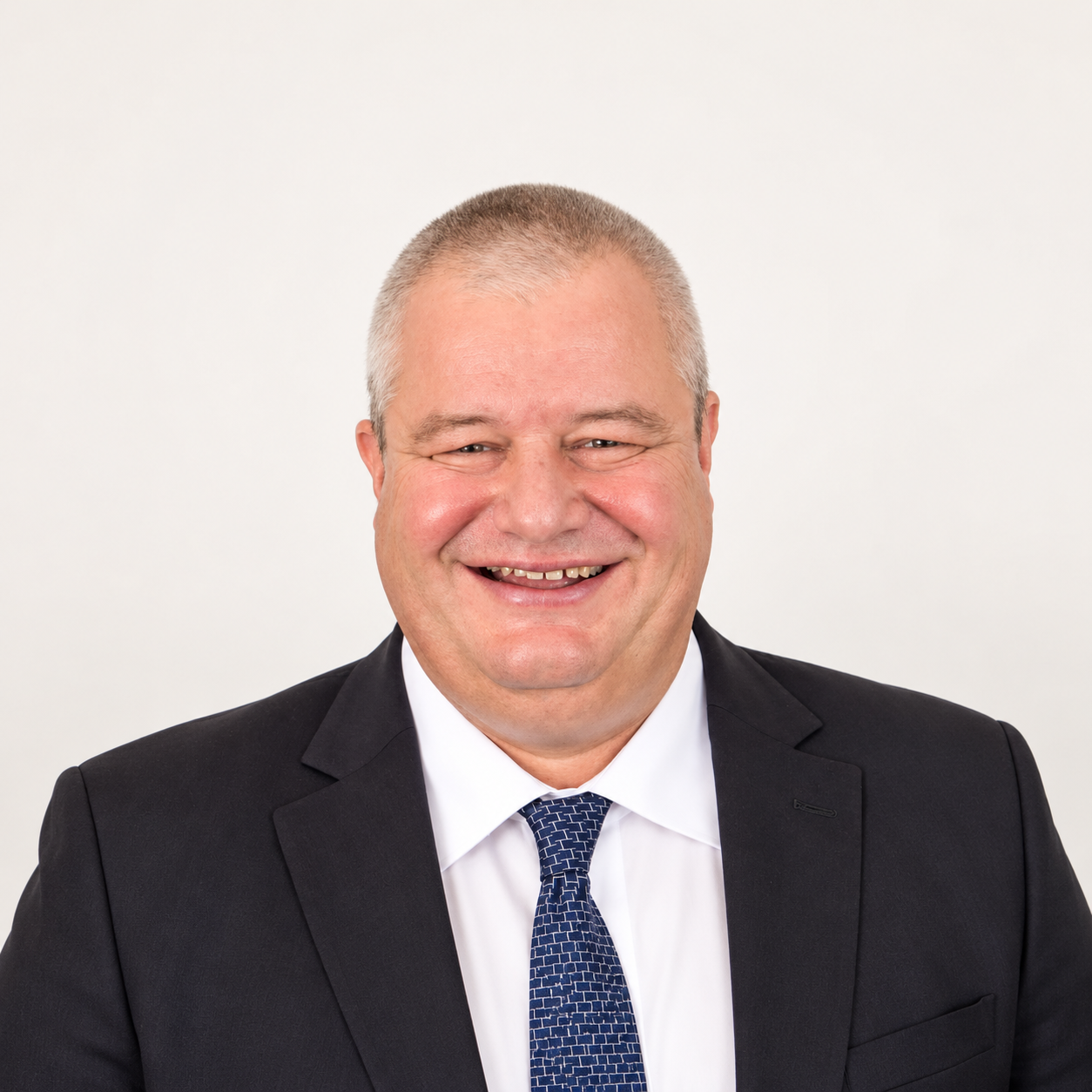 Zürich · Switzerland
 Dubai · United Arab Emirates
WONE Global Partner · United Arab Emirates
Armed with two decades of rich experience spanning across diverse industries and verticals, I have garnered the trust and admiration of many valued relationships. Audit & Assurance, Consulting, Risk Advisory and Tax pra…
 Ho Chi Minh City · Vietnam
WONE Global Partner · Vietnam
Mr. Tran Van Gioi has over 15 years of experience providing legal services to foreign investors and foreign-invested enterprises operating in Vietnam. He possesses in-depth knowledge of laws in investment, corporate, ta…
Who does what
WONE Global is not a law, tax or audit firm. Each firm is independent and regulated where it practises.
Cases
The cases this service leads or joins, in the words clients use. Each sets out what is at stake, how WONE Global handles it and who handles it in each market.
Every case involving Accounting, Reporting & Statutory Compliance →
Contact WONE Global
WONE Global Partners
Named professionals connected to this page — each admitted as the specialist for one kind of work in their country, at a firm WONE Global has admitted.
 Tripoli
WONE Global Partner
Mohamed Fawzi Kurd is the Chairman and Managing Partner of the Libyan Consultancy Group (LGC), with over 16 years of experience in financial advisory, audit, and corporate governance across Libya and the MENA region. He…
Save your questions, decisions and WONE activity in one account.
Forgot your password? Reset it securely.
Partner workspaces are for Partner firms. Explore partnership →