








 Edmonton · Canada

Submission received
Your information has been recorded by WONE.
Sourced guides to doing business in each market, and the status of every service there. Partners are in place in 35 markets so far.
One WONE Global Partner for each service in each market. Start from what you need to do, or go straight to a service.
Describe what you need. WONE Global names the service and the professional before any work begins.
Bring a requirement →Licences, value chains and the questions businesses in each industry ask first, with the services that usually apply.
What one country changes for the other, worked journeys step by step, and who handles each side.
When cross-border business becomes a dispute, UNIONE™, also part of the UNBOUNDED™ Global Ecosystem, prevents it, resolves it, arbitrates it and plans enforcement. 334 Fellows in 58 countries.
41 jurisdictions, each with primary sources and the date last checked.
Named senior professionals, each admitted as the one firm for a service in their country, and the firms they lead.
One Partner per service, per jurisdiction, admitted by review against published criteria.
Every statement is labelled: source-checked, professionally reviewed or not yet checked, with its source and date where checked.
Answers cite WONE Global's sourced statements and show how each one was checked. Research, not advice.
Accomplished regional specialists and international cross-border intelligence, across 100 countries, with one contact and one published Standard.
Service · Tax and accounts
Independent audits and reviews that investors, lenders and regulators can rely on. Led by a WONE Global Partner where one is named. Elsewhere, WONE Global confirms on request whether a vetted Associate firm can act.
Professional knowledge centre
Audit and assurance decide which entities in a group need an independent opinion on their accounts, who may give it, how long the same auditor may stay, and what else the auditor may do for the client. Across borders the main surprise is that small subsidiaries of large groups often lose small-company exemptions, as in the UK and Singapore, while Germany tests size at company level. Rules for listed and public-interest entities add firm and partner rotation and limits on non-audit services. Since 2025 the field has also changed through sustainability assurance: the EU kept limited assurance for CSRD reporting, dropped the move to reasonable assurance and narrowed scope in February 2026.
Source-checked research100% of statements checked against a source46 checked against an official source1 checked against a secondary sourceChecked 2026-10-19Not yet professionally reviewed
Audit duties come from company law, which sets size-based exemptions; from capital markets law, which governs listed companies and SEC registrants; and increasingly from tax law, as in the UAE corporate tax rules and Saudi loss carry-forward rules. The same subsidiary can therefore be exempt under company law but still need audited accounts for tax, or for its parent's own exemptions in another country.
This centre compares the UK, Germany, France, Singapore, Saudi Arabia, the UAE and the United States, with EU rules for public-interest entities and sustainability assurance. Indian rules on statutory audit, auditor rotation, CARO and internal financial controls could not yet be checked on official sites and are listed as gaps.
Whether a company needs an audit depends on its size, its legal form and, often decisively, the group it belongs to. The UK, Germany, France, Singapore and Saudi Arabia all exempt small companies, but the tests use different figures and several look through to the group: a small Singapore or UK subsidiary of a large group usually still needs an audit. In the UAE the corporate tax rules add an audit duty for larger taxpayers and Qualifying Free Zone Persons.
Questions on this topic
10 statements on statutory audit requirements and thresholds
Appointment rules decide who chooses the auditor, when, and who may act. Shareholders usually elect the auditor, but timing differs: within 28 days of the accounts cycle in the UK, ideally before year end in Germany, and for a six-year term in France. Rotation rules bite mainly on public-interest entities and SEC registrants, with a 10-year firm limit and 7-year partner limit in the EU and a 5-year lead partner limit in the US.
Questions on this topic
10 statements on auditor appointment and rotation
Auditors are licensed and overseen nationally, and independence rules limit what else the audit firm may do for its client. The US PCAOB oversees audits of SEC registrants and the SEC bans a list of non-audit services; the EU bans a longer list for public-interest entities and caps permitted non-audit fees at 70% of the audit fee. In the UK and Germany only registered members of approved bodies may act.
Questions on this topic
8 statements on audit regulators and independence
In a group audit one auditor signs the opinion on the consolidated accounts while others often audit the subsidiaries. German law makes the group auditor review and document the other auditors' work, and US rules require another auditor's report to be filed where the principal auditor relies on it. Reliefs for subsidiaries in the UK and Germany depend on the parent's consolidated accounts being audited.
Questions on this topic
6 statements on group audits and component auditors
Internal control reporting is mandatory mainly for listed groups. In the US every SEC issuer's management must assess internal control over financial reporting under section 404(a) of the Sarbanes-Oxley Act, and accelerated and large accelerated filers also need auditor attestation; US issuers must keep accurate books and internal accounting controls under the Exchange Act. Singapore relies on director duties and CEO and CFO assurance for listed companies. India's CARO and internal financial controls reporting could not be confirmed.
Questions on this topic
6 statements on internal controls and icfr (sox, caro and local equivalents)
Assurance of sustainability information is required in the EU for companies within CSRD scope, at a limited assurance level. The February 2026 Omnibus directive removed the plan to move to reasonable assurance, pushed the deadline for EU limited assurance standards to 1 July 2027 and narrowed the number of companies in scope. Member States can let auditors other than the financial statement auditor, or accredited independent providers, give the opinion.
Questions on this topic
7 statements on sustainability assurance
Worked example, from official sources
A US-headquartered group with consolidated revenue well above every local small-group limit owns a small operating subsidiary directly in each of five markets. Which subsidiaries need a statutory audit?
| Market | Own size test | Group or parent effect | Audit needed? | Source |
|---|---|---|---|---|
| United Kingdom | Within £15m / £7.5m / 50 | Subsidiaries audited unless exempt; s479A needs a UK parent | Likely yes | GOV.UK; CA 2006 s479A |
| Germany | Small: within EUR 7.5m / EUR 15m / 50 | Size test is on the company; § 264(3) relief not needed | No statutory audit | §§ 267, 316 HGB |
| Singapore | Within S$10m / S$10m / 50 | Whole group must also be small; it is not | Yes | ACRA |
| India | Not confirmed | Not confirmed | Not confirmed | See gaps |
| UAE (mainland) | Revenue below AED 50m | Corporate tax audit duty not triggered; company law not confirmed | Not required for corporate tax; confirm company law | PwC summary (secondary); Decree-Law 47 of 2022 Art. 54 |
Result on these facts
On these facts the Singapore subsidiary needs an audit because the group is not small, and the UK subsidiary very likely does because it cannot use the subsidiary exemption with a US parent. The German GmbH needs no statutory audit because the German size test applies to the company alone. In the UAE corporate tax does not require an audit below AED 50 million revenue for a mainland company that is not a Qualifying Free Zone Person. India could not be confirmed. Groups that want to reduce audits should note that routing UK ownership through a UK holding company changes the UK answer, at the cost of a parent guarantee.
Confirm the UK group test for small-company exemption and the section 479B exclusions, India's Companies Act audit requirement, UAE Commercial Companies Law, free zone and licensing authority audit rules and Ministerial Decision No. 82 of 2023, and any audit required by lenders or the articles in each country.
Each statement is numbered to the source it was checked against. We use official sources where we can, and each statement says whether it was checked against an official or a secondary source. Sources last checked on 19 October 2026. None of it has been professionally reviewed yet: it is research checked against official and secondary sources by WONE Global, not legal or tax advice.
A private company can claim audit exemption if it meets at least two of: turnover of no more than £15 million, balance sheet total of no more than £7.5 million, and 50 or fewer employees on average. Financial years beginning on or after 6 April 2025 (previously £10.2 million turnover and £5.1 million assets). Not available to public companies (unless dormant), most subsidiaries without the subsidiary exemption, banks, insurers, e-money issuers, MiFID firms or companies with shares on a regulated market; shareholders holding 10% can require an audit.
A UK private company that is a subsidiary must have its accounts audited unless it qualifies for an exemption, and shareholders holding at least 10% of the shares can require an audit by writing to the registered office at least one month before the year end. UK private companies; the articles of association may also require an audit.
A UK subsidiary can be exempt from audit under section 479A only if its parent is established under the law of a part of the UK, all its members agree, the parent guarantees its liabilities under section 479C, and it is included in the parent's consolidated accounts, with the required documents filed at Companies House by the filing deadline. Parent location wording substituted with effect from 31 December 2020; a subsidiary of a non-UK parent cannot use this exemption. Subject to sections 475(2)-(3) and 476 and the exclusions in section 479B (not read).
A German corporation is small, and so outside statutory audit, if it does not exceed two of three limits: EUR 7.5 million total assets, EUR 15 million revenue in the 12 months before the balance sheet date and 50 employees on annual average; the consequences apply only once the limits are exceeded or not exceeded on two consecutive balance sheet dates. Kapitalgesellschaften including GmbH. Medium-sized limits are EUR 25 million assets, EUR 50 million revenue and 250 employees. Capital-market-oriented companies are always treated as large.
The annual financial statements and management report of corporations that are not small must be audited by a statutory auditor. Kapitalgesellschaften (including GmbH) exceeding the small-company limits in § 267 Abs. 1 HGB.
A private company is exempt from statutory audit as a small company if it meets at least two of three criteria for the past two consecutive financial years: revenue of S$10 million or less, total assets of S$10 million or less, and 50 employees or fewer. If the company is part of a group, the group must also qualify as a small group on a consolidated basis. New companies are assessed on the current year.
A Singapore company that belongs to a group qualifies for audit exemption only if the entire group, including foreign entities, also meets at least two of the three small-company criteria, measured on the holding company's consolidated financial statements. Small group test for the S$10 million revenue, S$10 million assets and 50 employees criteria. Dormant companies are separately exempt under section 205B.
The Minister may require specified categories of taxable persons to prepare and keep audited or certified financial statements. Federal. The categories are set by Ministerial Decision (understood to cover taxable persons with revenue above AED 50 million and Qualifying Free Zone Persons) and were not confirmed here.
For UAE corporate tax, financial statements must be audited by a UAE-licensed auditor where the taxable person's revenue exceeds AED 50 million or where it is a Qualifying Free Zone Person. Federal corporate tax. For a UAE permanent establishment only revenue allocated to it counts towards the AED 50 million threshold. Company law and free zone audit requirements are separate and were not confirmed.
Secondary source used because Ministerial Decision No. 82 of 2023 could not yet be checked on an official site.
WONE Global Intelligence
Ask in your own words. Answers come from WONE Global's checked records, with every source shown, and end with the named Partner who can act. Go deeper on any point, or build a decision file.
Scope
Key questions
You don’t need the answers before you talk to us. Working through them is the first thing we do together.
Coverage
A named WONE Global lead in 8 markets today. In every other featured market, WONE Global arranges qualified local expertise on request and tells you who it is before work begins.
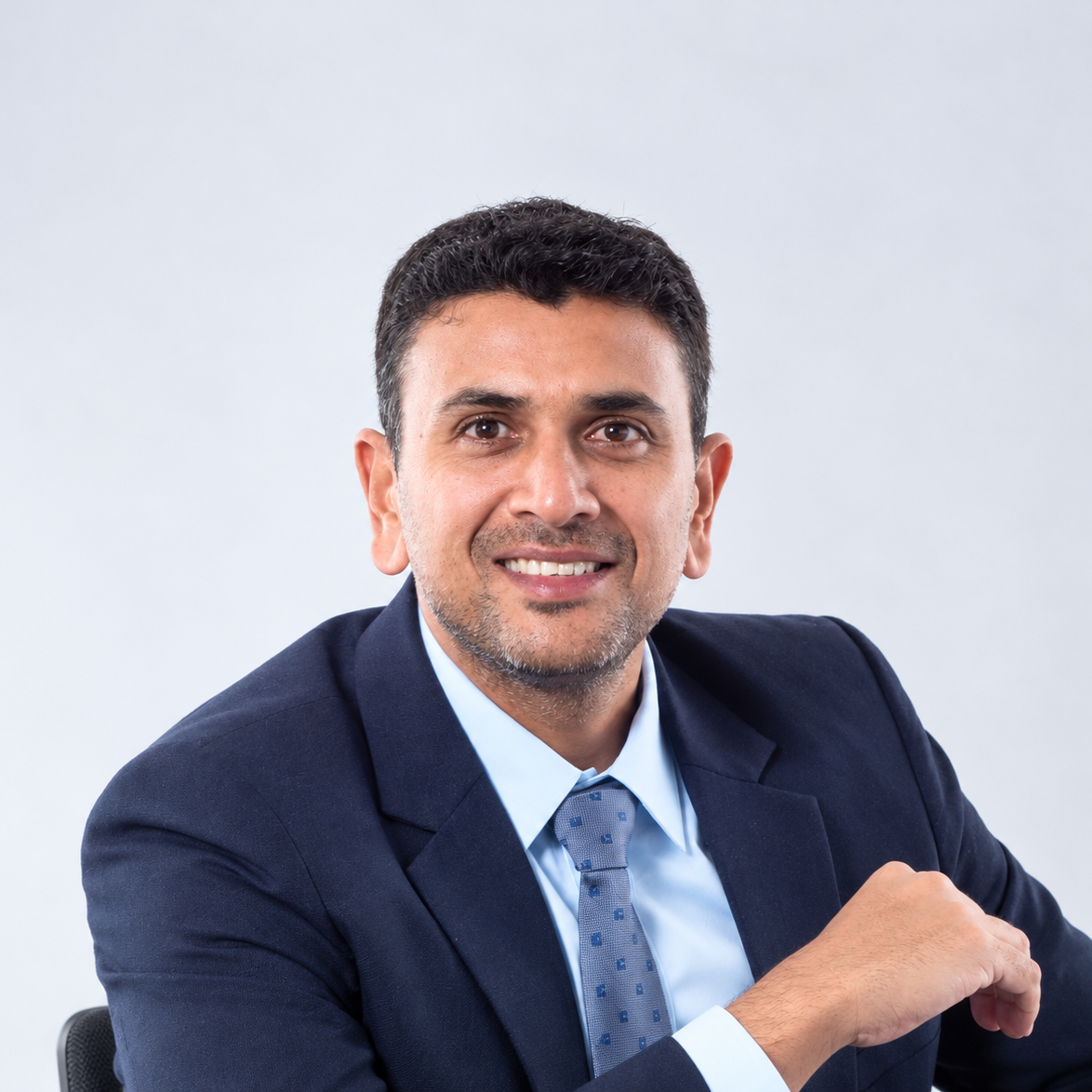
 CanadaLed by Chris T.H. Heo
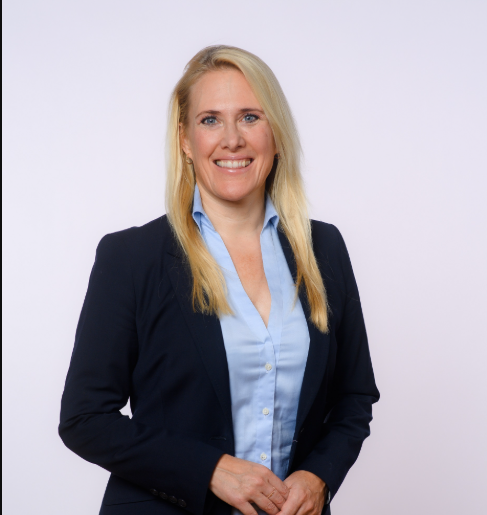
ColombiaLed by James Tamayo Puerta
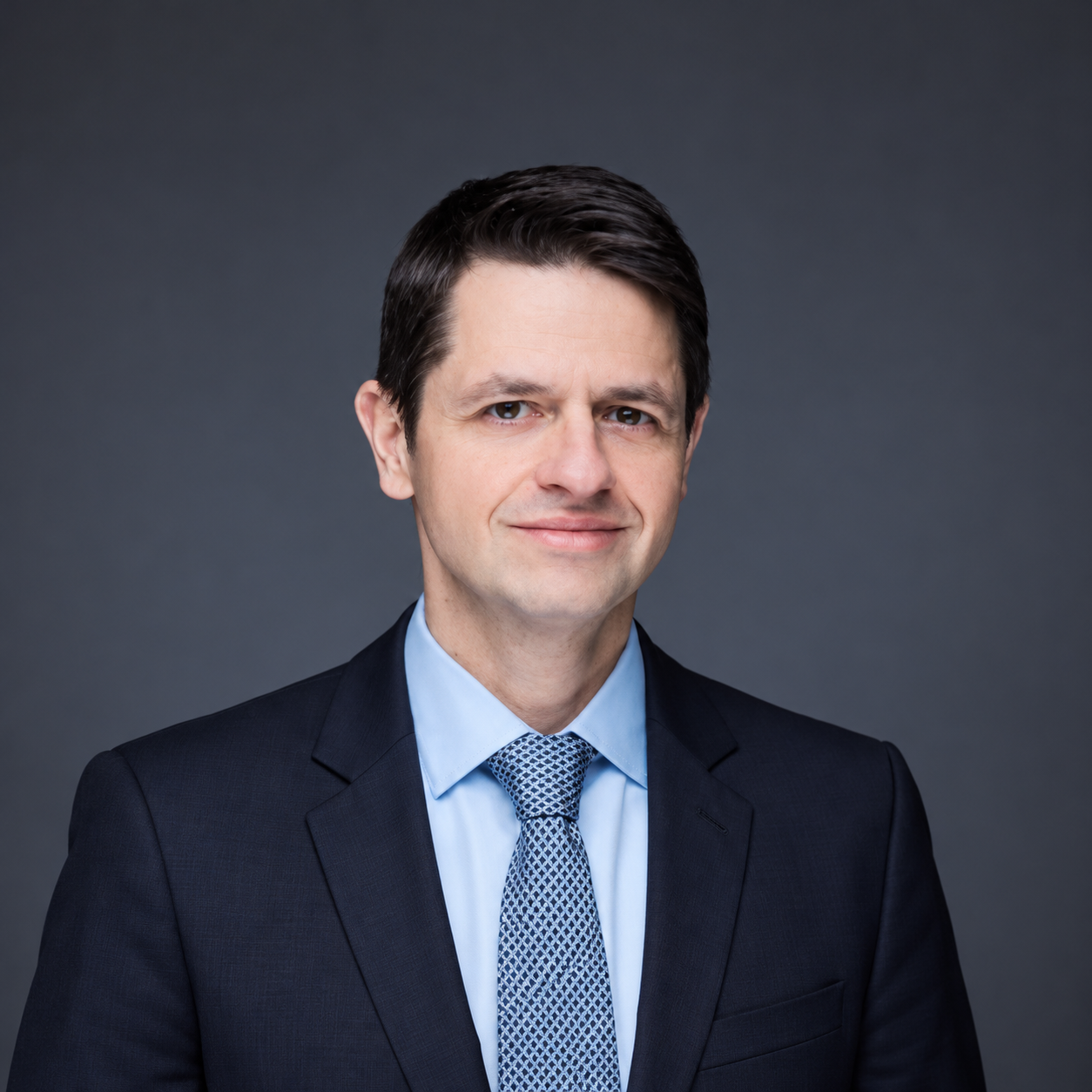
 EcuadorLed by Pablo Andres Guerra
 Hong KongLed by Yvonne Chow
 KenyaLed by Abdul Bagha
 MexicoLed by Miguel Angel Asencio Asencio
 Saudi ArabiaLed by Abdullah Yousef Alhussaini
 United Arab EmiratesLed by Priju Dominic
WONE Global Partners
Each is responsible for this service in their own jurisdiction, under their own professional rules.
Edmonton · Canada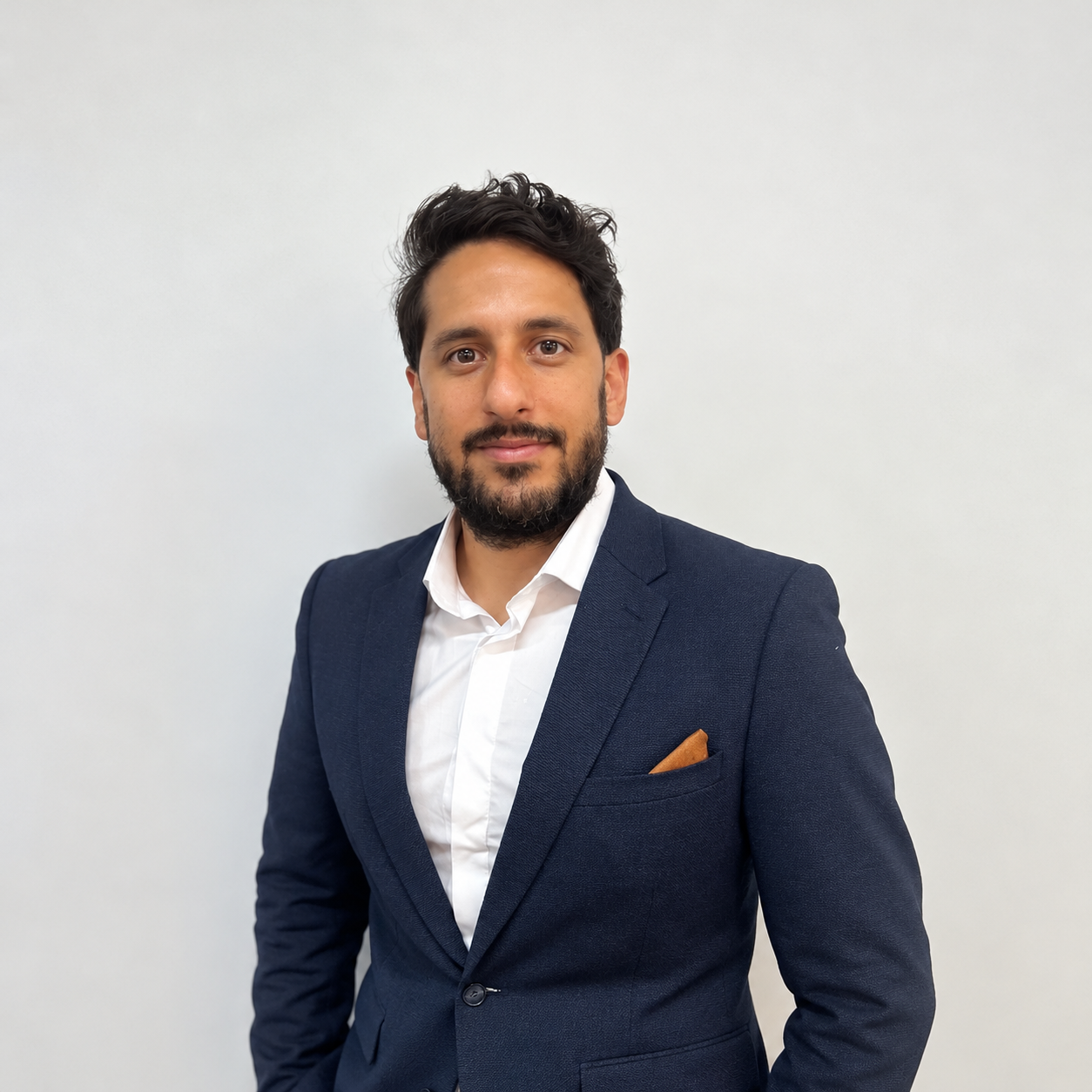 Medellín · Colombia
 Quito · Ecuador
WONE Global Partner · Ecuador
Experienced Partner with a demonstrated history of working in the accounting industry. Skilled in International Tax, External Audit, Generally Accepted Accounting Principles (GAAP), Income Tax, and Tax. Strong entrepren…
 Kowloon · Hong Kong
WONE Global Partner · Hong Kong
Ms. Chow, our director, graduated from Smith College (US), and obtained her master's degree in Religion from Yale University. She is an associate member of Hong Kong Institute of Certified Public Accountants and Institu…
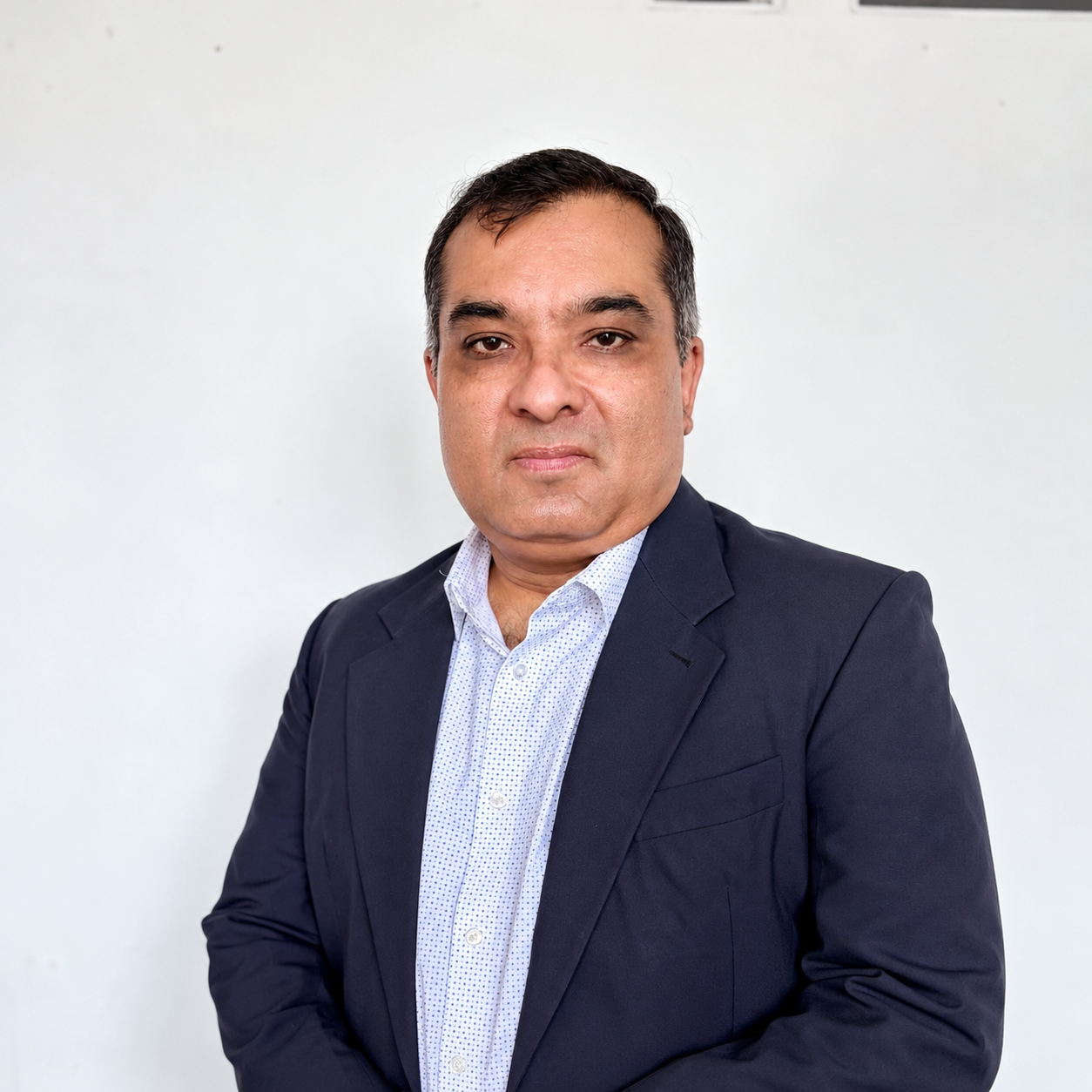 Nairobi · Kenya
 Mexico City · Mexico
WONE Global Partner · Mexico
Miguel has more than 30 years of experience with national and international exposure, 19 years with Deloitte Mexico from February 1998 through November 2016, serving multinational clients on different industries such as…
 Riyadh · Saudi Arabia
WONE Global Partner · Saudi Arabia
Abdullah Yousef Al-Hussaini (License No. 992) is a seasoned accounting and auditing professional with a career spanning leading roles at Ernst & Young (EY) and one of Saudi Arabia’s largest insurance companies, includin…
 Dubai · United Arab Emirates
WONE Global Partner · United Arab Emirates
Armed with two decades of rich experience spanning across diverse industries and verticals, I have garnered the trust and admiration of many valued relationships. Audit & Assurance, Consulting, Risk Advisory and Tax pra…
Who does what
WONE Global is not a law, tax or audit firm. Each firm is independent and regulated where it practises.
Cases
The cases this service leads or joins, in the words clients use. Each sets out what is at stake, how WONE Global handles it and who handles it in each market.
Contact WONE Global
WONE Global Partners
Named professionals connected to this page — each admitted as the specialist for one kind of work in their country, at a firm WONE Global has admitted.
 Tripoli
WONE Global Partner
Mohamed Fawzi Kurd is the Chairman and Managing Partner of the Libyan Consultancy Group (LGC), with over 16 years of experience in financial advisory, audit, and corporate governance across Libya and the MENA region. He…
Save your questions, decisions and WONE activity in one account.
Forgot your password? Reset it securely.
Partner workspaces are for Partner firms. Explore partnership →