







 Vienna · Austria

Submission received
Your information has been recorded by WONE.
Sourced guides to doing business in each market, and the status of every service there. Partners are in place in 35 markets so far.
One WONE Global Partner for each service in each market. Start from what you need to do, or go straight to a service.
Describe what you need. WONE Global names the service and the professional before any work begins.
Bring a requirement →Licences, value chains and the questions businesses in each industry ask first, with the services that usually apply.
What one country changes for the other, worked journeys step by step, and who handles each side.
When cross-border business becomes a dispute, UNIONE™, also part of the UNBOUNDED™ Global Ecosystem, prevents it, resolves it, arbitrates it and plans enforcement. 334 Fellows in 58 countries.
41 jurisdictions, each with primary sources and the date last checked.
Named senior professionals, each admitted as the one firm for a service in their country, and the firms they lead.
One Partner per service, per jurisdiction, admitted by review against published criteria.
Every statement is labelled: source-checked, professionally reviewed or not yet checked, with its source and date where checked.
Answers cite WONE Global's sourced statements and show how each one was checked. Research, not advice.
Accomplished regional specialists and international cross-border intelligence, across 100 countries, with one contact and one published Standard.
Service · Tax and accounts
Tax and structuring for businesses, investments and deals that cross borders. Led by a WONE Global Partner where one is named. Elsewhere, WONE Global confirms on request whether a vetted Associate firm can act.
Professional knowledge centre
International tax structuring is the work of deciding where a group's entities sit, how they are owned and financed, and how money moves between them, so that profit is taxed once, in the right place, at a rate the business can defend. It shapes decisions on whether to open a branch or a subsidiary, where to put a holding company, whether to fund a new market with debt or equity, how to price and invoice cross-border services, and what each entity must register for on day one. Since 2019 the room for manoeuvre has narrowed: anti-avoidance rules on controlled foreign companies, interest and hybrids are now standard in the EU, and large groups face a 15% global minimum tax. The practical goal is a structure with real substance that survives scrutiny in every country it touches.
Source-checked research88% of statements checked against a source99 checked against an official source23 checked against a secondary sourceChecked 2026-10-18Not yet professionally reviewed
Cross-border tax has two layers that behave differently. Direct taxes (corporate income tax, withholding tax, minimum top-up taxes) fall on profits and payments and depend on where entities are resident, where they have a taxable presence and what tax treaties say. Indirect taxes (VAT and GST) fall on transactions and depend on where a supply is treated as made; they are usually neutral for a fully taxable business but create cash-flow, registration and invoicing obligations that catch out new entrants.
The rules in this centre come from three sources that have to be read together: domestic law in each country, bilateral tax treaties, and international standards set through the OECD and, for EU Member States, binding directives. The EU Anti-Tax Avoidance Directive made interest limitation, controlled foreign company and exit tax rules mandatory across the EU from 2019 and 2020, its amending directive added hybrid mismatch rules, and the Pillar Two directive implements the 15% minimum tax for groups with revenue of EUR 750 million or more. Outside the EU, countries such as the UAE and Singapore have adopted their own domestic minimum top-up taxes, while the United States has negotiated a side-by-side arrangement.
For a founder or CFO, the useful questions are practical: which taxes will each entity pay and register for, what will be withheld when cash moves, which deductions are capped, whether low-taxed profits will be pulled back into the parent's tax net, and whether the group is close to the minimum tax threshold. The modules below explain each layer, with examples from India, the UAE, Saudi Arabia, Singapore, the UK, the US, Germany and France. Rates and dates are claims with sources; where we could not confirm a point on an official page, it is flagged as a gap.
A company's tax residence decides which country may tax its worldwide profits and which treaties it can use. Most countries combine a test based on where a company is incorporated with a test based on where it is actually run, so a company formed in one country but managed from another can be resident in both. Treaties resolve that conflict with a tie-breaker, and since 2017 the OECD Model leaves the answer to negotiation between tax authorities rather than an automatic rule.
Questions on this topic
11 statements on corporate tax residence, 4 not yet checked against a source
A permanent establishment (PE) is the point at which a foreign company's activity in a country becomes taxable there. Under OECD-based treaties it arises through a fixed place of business, a dependent agent, or, where the treaty says so, a construction or service presence that lasts beyond a set period. Once a PE exists, the host country can tax the profits attributable to it as if it were a separate business.
Questions on this topic
16 statements on permanent establishment
Withholding tax is collected by the payer when dividends, interest, royalties or service fees go to a non-resident. Domestic law sets the default rate; a treaty can cap it, but only if the recipient is resident in the treaty partner, is the beneficial owner, can prove both, and passes the treaty's anti-abuse rules. India's domestic rates are high and its treaty network is wide, so the gap is often material.
Questions on this topic
24 statements on withholding tax and treaty rates, 2 not yet checked against a source
Having a treaty is not the same as being entitled to use it. Since the BEPS project most treaties carry a principal purpose test through the Multilateral Instrument (MLI), and US treaties rely on limitation on benefits rules; both deny benefits to arrangements set up mainly to obtain them. Real substance in the claimed country is what supports a claim.
Questions on this topic
15 statements on treaty access and anti-abuse rules, 5 not yet checked against a source
Transfer pricing rules require transactions between companies in the same group to be priced as if the parties were independent. Most tax authorities follow the OECD Transfer Pricing Guidelines, and large groups face a three-tier documentation standard: master file, local file and country-by-country report. Management fees and intra-group services are a frequent audit target because the payer must show a real benefit and an arm's length charge.
Questions on this topic
19 statements on transfer pricing, 5 not yet checked against a source
VAT and GST are charged where a supply is treated as taking place, not where the supplier is based. For most business-to-business services the place of supply is the customer's country and the customer self-accounts under the reverse charge, but non-resident suppliers can still have to register, especially for consumer sales and goods held locally. Rates and invoicing rules differ sharply between markets, and real-time e-invoicing is spreading from Saudi Arabia and India to the EU, France, Germany and the UAE.
Questions on this topic
23 statements on vat and gst on cross-border goods and services
Controlled foreign company (CFC) rules let a parent's country tax low-taxed profits of foreign subsidiaries before they are paid up as dividends. EU Member States must apply them under the Anti-Tax Avoidance Directive, and the United States has its own long-standing regimes. Substance (people, premises and decision-making where profits are booked) is what keeps a structure outside CFC rules and inside treaty and free-zone benefits.
Questions on this topic
6 statements on controlled foreign companies and economic substance
Pillar Two sets a 15% minimum effective tax rate, country by country, for groups with consolidated revenue of EUR 750 million or more. Low-taxed profit is topped up first by the local country through a qualified domestic minimum top-up tax, then by the parent's country through the income inclusion rule, and as a backstop by other countries through the undertaxed profits rule. Implementation differs across markets, and a side-by-side package agreed in January 2026 gives US-parented groups relief from the income inclusion and undertaxed profits rules from 2026.
Questions on this topic
12 statements on global minimum tax (pillar two)
How a group funds a subsidiary and how cash comes back are tax decisions as much as treasury ones. Interest can reduce the subsidiary's taxable profit but is capped, commonly at 30% of EBITDA; dividends, interest, royalties and service fees each attract different withholding taxes and deductibility tests. Exit and share sales raise their own charges, including exit taxes when assets or residence move.
Questions on this topic
5 statements on financing, profit repatriation and exit
The first structural choice in a new market is usually between a branch, which is part of the foreign company and taxed as a permanent establishment, and a local subsidiary, which is a separate taxpayer. Holding company location then depends on treaty network, participation exemptions, substance and minimum tax exposure. Hybrid mismatch rules now neutralise structures that exploit differences between countries, and a day-one registration plan avoids penalties.
Questions on this topic
7 statements on choosing the structure: branch, subsidiary and holding company
Worked example, from official sources
How much Indian tax applies when an Indian company pays a dividend to its foreign parent, and does it matter whether the parent is in the UAE or Singapore?
| Route | Rule | Maximum Indian rate | Indian tax on INR 100 (illustrative) | Official source |
|---|---|---|---|---|
| No treaty relief | Income-tax Act, 2025, section 207 | 20% (before surcharge and cess) | INR 20 | Income Tax Department, section 207 |
| UAE parent | India-UAE DTAA, Article 10(2) | 10% | INR 10 | India-UAE DTAA synthesised text and treaty text, incometaxindia.gov.in |
| Singapore parent holding 25% or more | India-Singapore DTAA, Article 10(2)(a) | 10% | INR 10 | Income Tax Department, Tax Rates - DTAA v. Income-tax Act |
| Singapore parent holding less than 25% | India-Singapore DTAA, Article 10(2)(b) | 15% | INR 15 | Income Tax Department, Tax Rates - DTAA v. Income-tax Act |
Result on these facts
On these facts both treaties cap Indian tax at 10%, half the 20% domestic rate. The Singapore route needs a shareholding of at least 25% to reach 10% and otherwise gives 15%; the UAE route gives 10% regardless of shareholding size. The choice between the two locations therefore turns on other factors, such as substance, tax on the dividend in the parent's country and onward distributions, rather than on the Indian rate alone.
Rates must be confirmed for the actual payment date against the authentic treaty text, any protocol, both countries' MLI positions and Indian law then in force, including surcharge and cess on the domestic rate. The India-Singapore treaty text was read from a secondary reproduction; the rates match the Income Tax Department's official comparison table.
Each statement is numbered to the source it was checked against. We use official sources where we can, and each statement says whether it was checked against an official or a secondary source. Sources last checked on 18 October 2026. None of it has been professionally reviewed yet: it is research checked against official and secondary sources by WONE Global, not legal or tax advice.
Under section 207 of the Income-tax Act, 2025, dividends received by a foreign company are taxed at 20%, other than dividends from a unit in an International Financial Services Centre, which are taxed at 10%. Rate before any surcharge and health and education cess, which were not confirmed.
Surcharge and cess are not stated on this page.
Under Article 10(2) of the India-UAE DTAA, tax in the source state on dividends paid to a beneficial owner resident in the other state may not exceed 10% of the gross amount. Applies in either direction; no MLI modification to Article 10 shown in the synthesised text.
The Income Tax Department lists the India-Singapore treaty dividend rate as 10% where the recipient company holds at least 25% of the shares and 15% otherwise. India-Singapore DTAA Article 10.
Article 10(2) of the India-Singapore DTAA caps source-state tax at 10% of the gross dividend if the beneficial owner is a company owning at least 25% of the shares of the paying company, and 15% in all other cases. Beneficial owner condition applies.
Secondary reproduction of the treaty text; the official India-Singapore synthesised text on incometaxindia.gov.in could not yet be checked. The rates match the department's official comparison table.
The Income-tax Act, 2025 replaces the Income-tax Act, 1961 with effect from 1 April 2026, and 'tax year' replaces 'previous year' for income earned from that date. Income earned in FY 2025-26 remains under the 1961 Act.
Any sum paid or credited on or after 1 April 2026 is governed by the corresponding withholding provisions of the Income-tax Act, 2025; sums paid or credited on or before 31 March 2026 remain under the 1961 Act. Indian tax deduction at source (TDS).
India taxes a non-resident's dividends, interest, royalties and fees for technical services under the Income-tax Act or the applicable treaty, whichever is more beneficial to the non-resident. Requires the non-resident to be entitled to the treaty (residence, beneficial ownership, documentation, anti-abuse rules).
The page states it reflects the Income-tax Act, 1961 as amended by the Finance Act, 2026; its 'last reviewed' date is blank.
In the India-UAE DTAA, the MLI principal purpose test replaces Article 29 (Limitation of Benefits): a benefit is denied where it is reasonable to conclude that obtaining it was one of the principal purposes of an arrangement, unless granting it accords with the object and purpose of the treaty. MLI Article 7(1) as applied to the India-UAE DTAA.
For the India-UAE DTAA, the MLI applies to withholding taxes in India where the taxable event occurs on or after 1 April 2020, and in the UAE on or after 1 January 2020. Withholding taxes only; other taxes have separate dates.
India requires a non-resident to obtain a tax residency certificate from its country of residence to claim treaty relief, together with prescribed additional information (Form 10F under the 1961 rules). Income-tax Act, 1961 section 90(4)-(5) and rules; 2025 Act and Income-tax Rules, 2026 equivalents apply from 1 April 2026.
Point reflects the Income-tax Act, 1961 and its CBDT guidance. The Income-tax Act, 2025 replaced the 1961 Act from 1 April 2026 and renumbered provisions; the corresponding 2025 Act section and any CBDT guidance re-issued under it could not yet be checked.
For remittances from India, the accountant's certificate in Form 15CB certifies, among other things, the applicable DTAA provisions and the TDS rate. Remittance procedures follow the law in force on the remittance date.
WONE Global Intelligence
Ask in your own words. Answers come from WONE Global's checked records, with every source shown, and end with the named Partner who can act. Go deeper on any point, or build a decision file.
Scope
Key questions
You don’t need the answers before you talk to us. Working through them is the first thing we do together.
Coverage
A named WONE Global lead in 17 markets today. In every other featured market, WONE Global arranges qualified local expertise on request and tells you who it is before work begins.
 AustriaLed by Dr. Rosam Karl J.
 CameroonLed by Edmond Christian AKOA MBALLA
ColombiaLed by Katherin Diaz Velilla
 EcuadorLed by Mauro Tejada Ramon
 GermanyLed by Ulrike Berner, MBA
 Hong KongLed by Yvonne Chow
 IndiaLed by Sandeep Gupta
 IrelandLed by Kevin McSharry
 ItalyLed by Alessandro Dagnino
 KenyaLed by Farheen Khandwalla
PanamaLed by Ebrahim Asvat K.
 RwandaLed by Lilianne Gasango
 Saudi ArabiaLed by Abdullah Yousef Alhussaini
 SwitzerlandLed by Michael Sterchi
 United Arab EmiratesLed by Priju Dominic
 VietnamLed by Chau Kim Hien
 ZambiaLed by Gerald Zimba
WONE Global Partners
Each is responsible for this service in their own jurisdiction, under their own professional rules.
Vienna · Austria Douala · Cameroon
 Bogotá · Colombia
WONE Global Partner · Colombia
Complete profile
International tax attorney and strategic advisor with 12+ years across Colombia's DIAN, Ministry of Finance, Senate, Presidency, and EY. Co-founder of V&V Asociados. Specializes in cross-border tax structuring, transfer…
 Quito · Ecuador
WONE Global Partner · Ecuador
Professional with 20 years of experience in Tax Administration, performing functions in the managerial and tax administration fields. Experience related to the fiscal field in the main sectors of the economy: Banking, c…
 Munich · Germany
WONE Global Partner · Germany
Ulrike Berner has been Managing Director and shareholder of BSP since 2021, leading the strategic direction, client relationships, and business development of the firm. She has extensive experience working with firms an…
 Kowloon · Hong Kong
WONE Global Partner · Hong Kong
Ms. Chow, our director, graduated from Smith College (US), and obtained her master's degree in Religion from Yale University. She is an associate member of Hong Kong Institute of Certified Public Accountants and Institu…
 New Delhi · India
WONE Global Partner · India
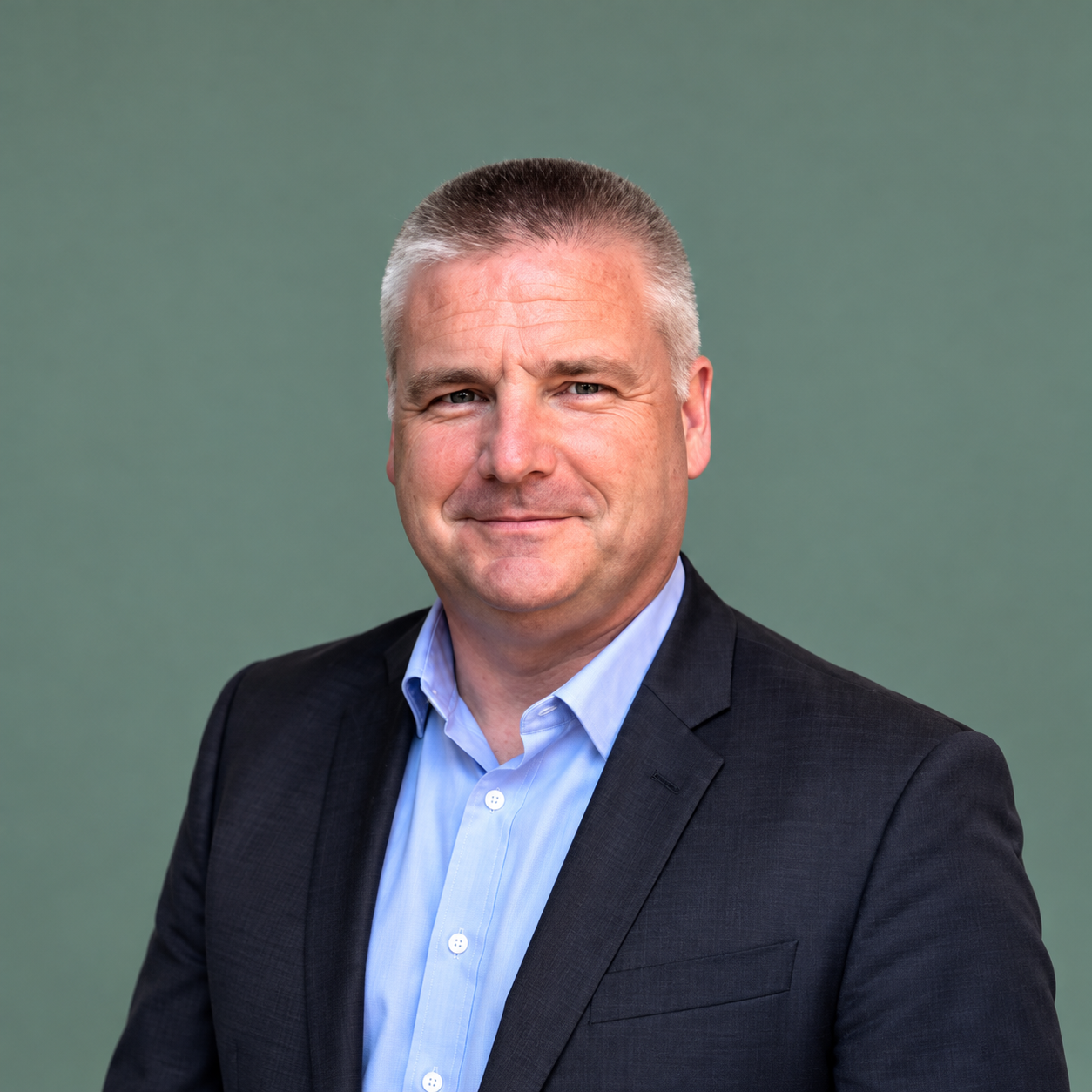 Galway · Ireland
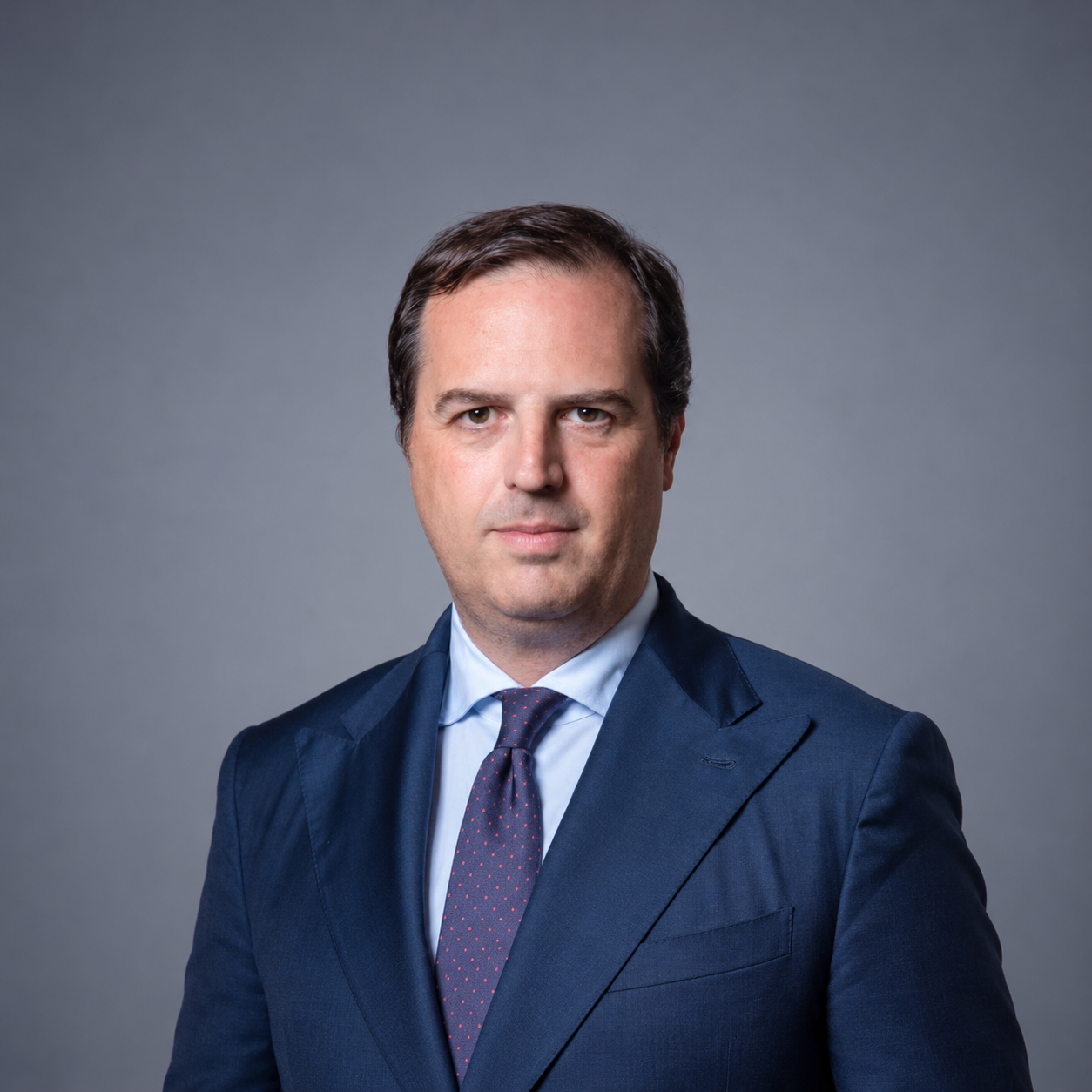 Rome · Italy
 Mombasa · Kenya
WONE Global Partner · Kenya
 Panamá · Panama
WONE Global Partner · Panama
Ebrahim Asvat K. is a founding partner of Patton, Moreno & Asvat. His practice focuses on corporate law, asset and tax planning, mergers and acquisitions, and offshore business structures. He holds an LL.M. from Harvard…
 Kigali · Rwanda
WONE Global Partner · Rwanda
 Riyadh · Saudi Arabia
WONE Global Partner · Saudi Arabia
Abdullah Yousef Al-Hussaini (License No. 992) is a seasoned accounting and auditing professional with a career spanning leading roles at Ernst & Young (EY) and one of Saudi Arabia’s largest insurance companies, includin…
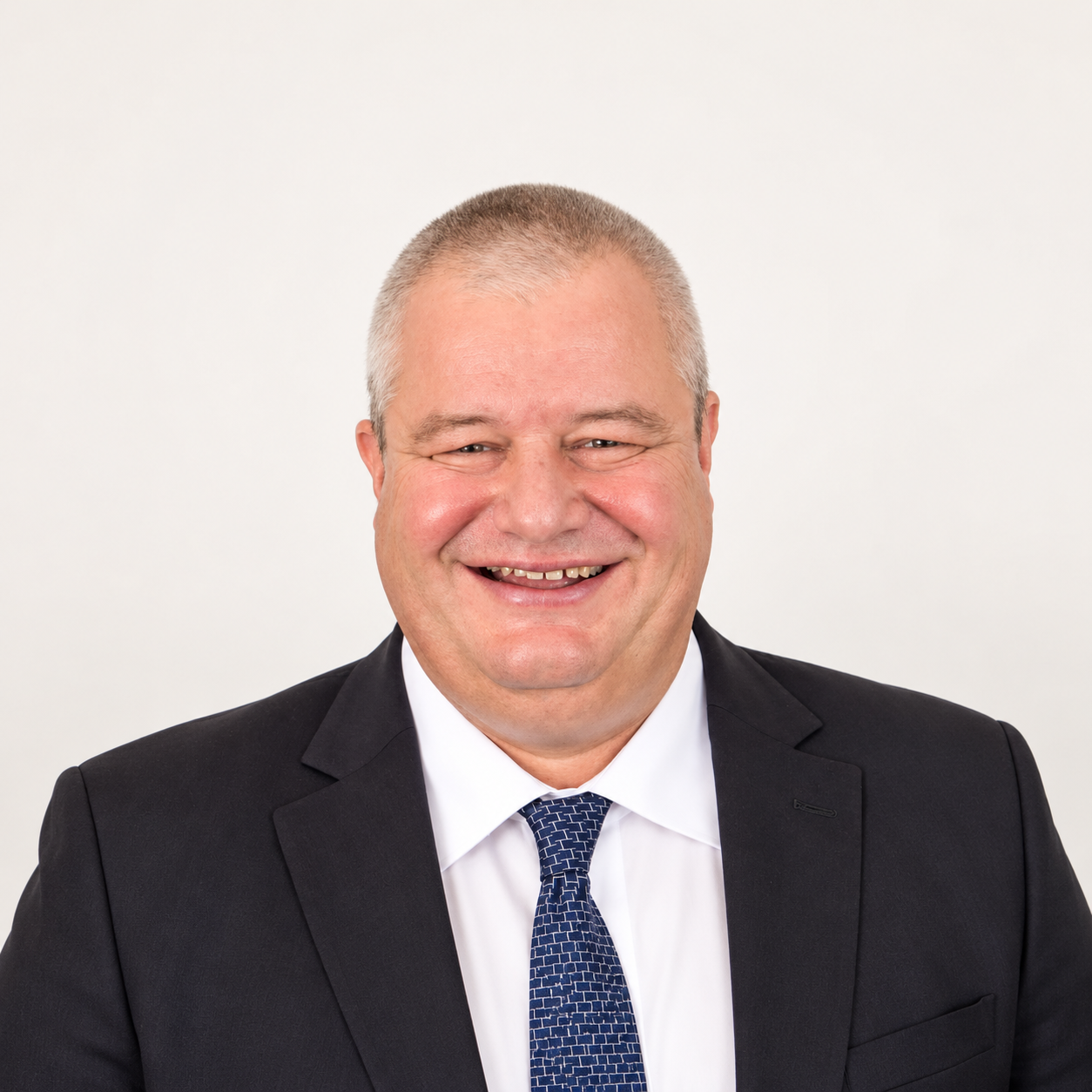 Zürich · Switzerland
 Dubai · United Arab Emirates
WONE Global Partner · United Arab Emirates
Armed with two decades of rich experience spanning across diverse industries and verticals, I have garnered the trust and admiration of many valued relationships. Audit & Assurance, Consulting, Risk Advisory and Tax pra…
 Ho Chi Minh City · Vietnam
WONE Global Partner · Vietnam
 Lusaka · Zambia
WONE Global Partner · Zambia
Who does what
WONE Global is not a law, tax or audit firm. Each firm is independent and regulated where it practises.
Cases
The cases this service leads or joins, in the words clients use. Each sets out what is at stake, how WONE Global handles it and who handles it in each market.
Contact WONE Global
Save your questions, decisions and WONE activity in one account.
Forgot your password? Reset it securely.
Partner workspaces are for Partner firms. Explore partnership →