








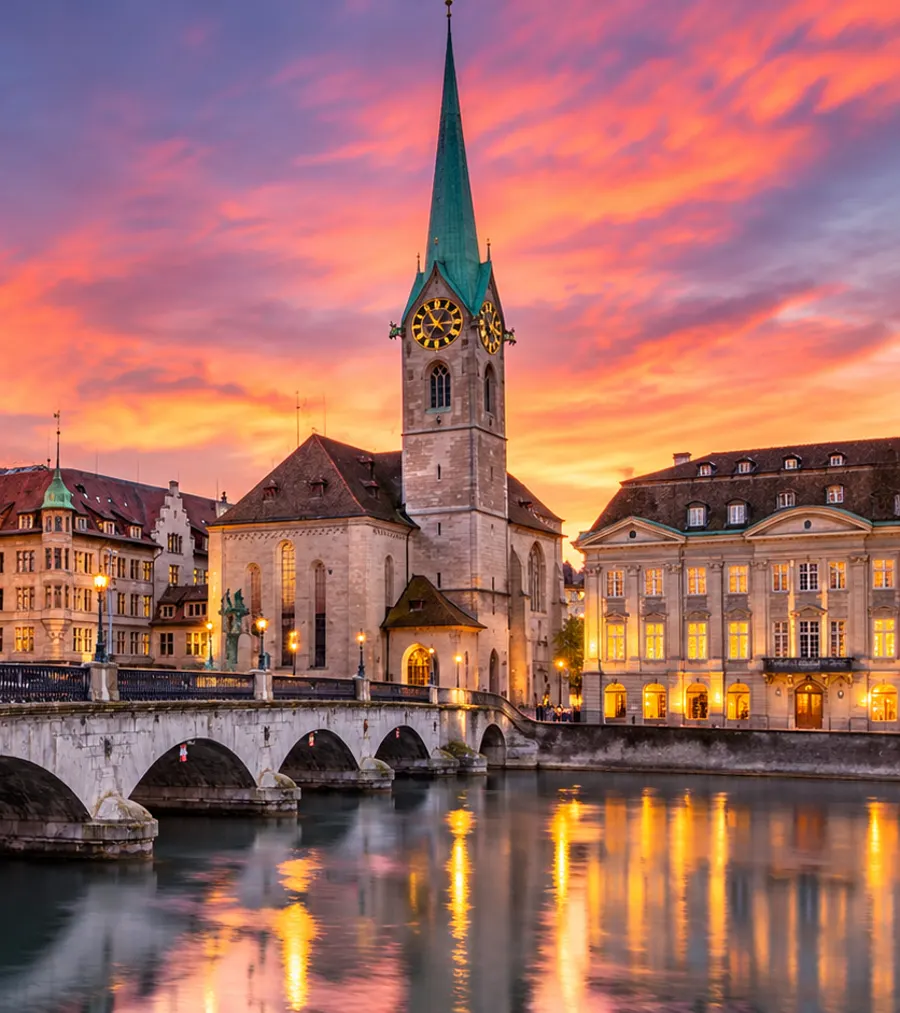
 Zürich · Switzerland

Submission received
Your information has been recorded by WONE.
Sourced guides to doing business in each market, and the status of every service there. Partners are in place in 35 markets so far.
One WONE Global Partner for each service in each market. Start from what you need to do, or go straight to a service.
Describe what you need. WONE Global names the service and the professional before any work begins.
Bring a requirement →Licences, value chains and the questions businesses in each industry ask first, with the services that usually apply.
What one country changes for the other, worked journeys step by step, and who handles each side.
When cross-border business becomes a dispute, UNIONE™, also part of the UNBOUNDED™ Global Ecosystem, prevents it, resolves it, arbitrates it and plans enforcement. 334 Fellows in 58 countries.
41 jurisdictions, each with primary sources and the date last checked.
Named senior professionals, each admitted as the one firm for a service in their country, and the firms they lead.
One Partner per service, per jurisdiction, admitted by review against published criteria.
Every statement is labelled: source-checked, professionally reviewed or not yet checked, with its source and date where checked.
Answers cite WONE Global's sourced statements and show how each one was checked. Research, not advice.
Accomplished regional specialists and international cross-border intelligence, across 100 countries, with one contact and one published Standard.
Western Europe · WONE Global market
Switzerland is covered by WONE for cross-border business discovery, with links to relevant expertise, professionals, industries and market intelligence. 3 of 18 services have a WONE Global Partner here. For the others, WONE Global confirms availability on request.
Zurich · Tuesday 3 November
21:50
Local time
Market guide · Source-checked research
Switzerland is a federal state of 26 cantons in which company law, VAT and federal profit tax are set nationally while cantons set their own profit taxes. Most foreign investors use a GmbH, with CHF 20,000 capital, or an AG, with CHF 100,000, and each needs a representative resident in Switzerland. The federal profit tax is 8.5%, giving combined rates of about 11.7% to 20.5% depending on location, and VAT is 8.1%. Switzerland is outside the EU but has free movement of persons with the EU/EFTA, while hiring from elsewhere is restricted.
Essentials guide · Source-checked research100% of statements checked against a source47 checked against an official source2 checked against a secondary sourceChecked 2026-10-19Not yet professionally reviewed
Swiss commercial law is codified civil law, with company and employment rules mainly in the Code of Obligations. Companies are registered by cantonal commercial register offices, notaries record formations, and the Federal Tax Administration administers VAT and withholding tax while cantons assess profit taxes. FINMA supervises financial markets, the FDPIC oversees data protection, COMCO reviews mergers and the State Secretariat for Migration and cantonal offices handle work permits.
Key facts
Most foreign investors use a GmbH or an AG. An AG is formed by notarised deed and comes into existence on entry in the cantonal commercial register. Every AG and GmbH needs at least one representative resident in Switzerland, which in practice is a key early decision for foreign-owned companies.
Key facts
The AG needs CHF 100,000 share capital, of which at least CHF 50,000 must be paid in at formation; one shareholder is enough.
The GmbH needs CHF 20,000 share capital, fully paid in, and suits smaller subsidiaries.
At least one person authorised to represent the company must live in Switzerland; plan who this will be before formation.
An AG exists only once registered; the GmbH must also keep a current list of 25% beneficial owners.
Non-EU/EFTA founders who will work in the business need cantonal approval and a quota-limited L or B permit.
Who handles this in SwitzerlandCorporate & Entity ServicesLegal & Contracting
Questions on this topic
6 statements on entry, investment and company formation in Switzerland
Companies pay an 8.5% federal profit tax plus cantonal and communal profit taxes, so the overall rate depends on location. VAT is 8.1% at the standard rate, and 35% withholding tax applies to dividends. Switzerland has implemented the Pillar Two domestic minimum tax and income inclusion rule.
Key facts
Combined profit tax rates on pre-tax profit range from about 11.7% to 20.5% depending on canton and commune.
VAT is 8.1% standard, 2.6% reduced and 3.8% for accommodation; liability starts at CHF 100,000 taxable turnover, including for foreign service providers.
Dividends and bond and bank interest carry 35% withholding tax; non-resident relief depends on treaties and group notification procedures.
Large groups are subject to the Swiss minimum top-up tax from 2024 and the income inclusion rule from 2025, with the first GloBE return due by 30 June 2026.
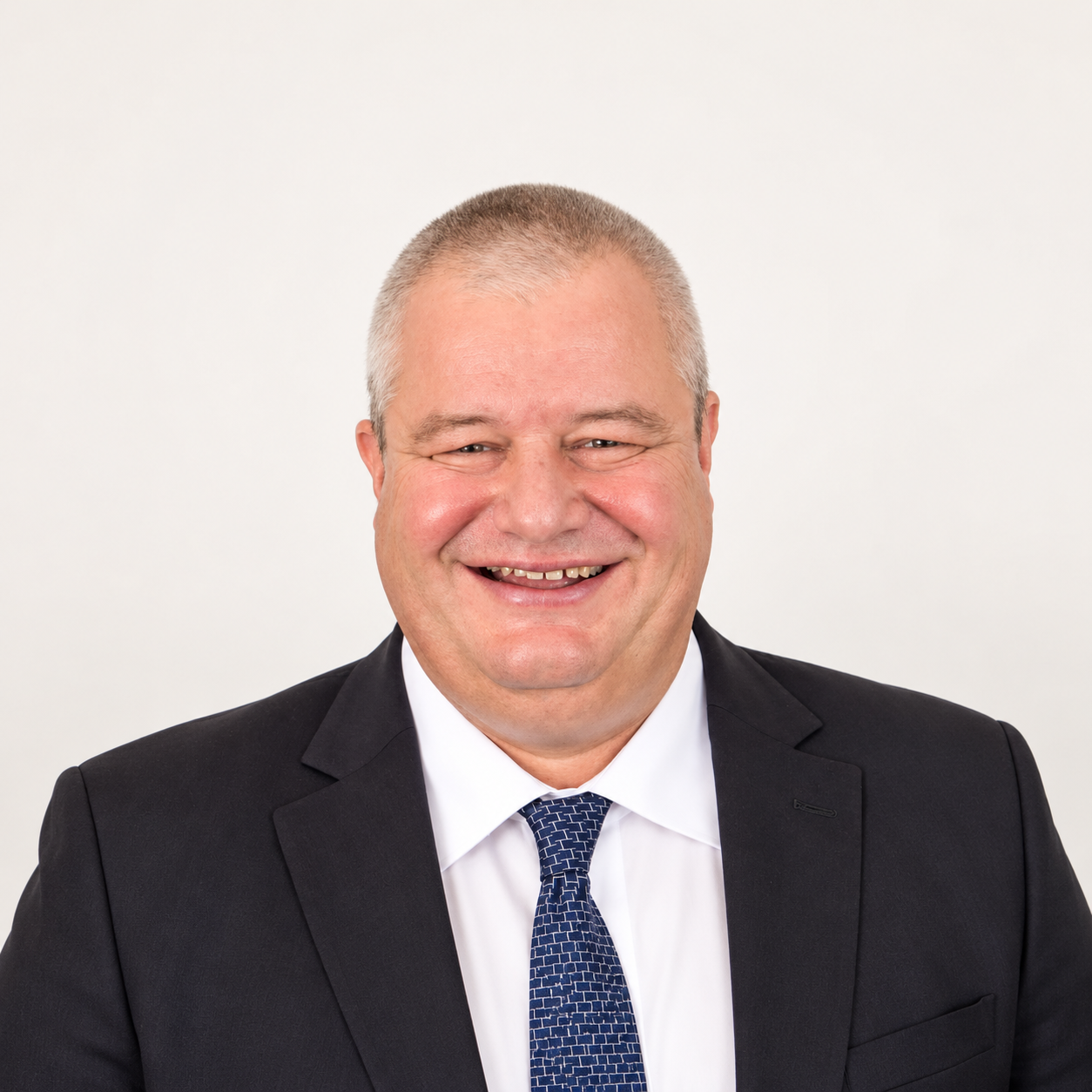
Who handles this in SwitzerlandTax & International Structuring · Michael SterchiAccounting, Reporting & Statutory Compliance · Michael Sterchi
Questions on this topic
6 statements on tax, accounting and statutory reporting in Switzerland
Swiss employment law is mainly in the Code of Obligations and allows relatively short notice periods, with protection against dismissal during illness, pregnancy and service. Social security contributions are shared between employer and employee. Hiring from outside the EU/EFTA is limited to highly qualified staff under quotas.
Key facts
Statutory notice runs from one to three months depending on years of service, with seven days during the trial period.
Dismissals are barred for set periods during illness or injury and during pregnancy and 16 weeks after birth; wrongful dismissal can cost up to six months' salary.
AHV/IV/EO contributions are 10.6% of salary, half deducted from the employee, before unemployment insurance and other schemes.
Non-EU/EFTA hires must be highly qualified, with no suitable Swiss or EU/EFTA candidate and customary pay; EU/EFTA nationals benefit from free movement.
Who handles this in SwitzerlandEmployment, Payroll & Mobility · Michael Sterchi
Questions on this topic
6 statements on employment, payroll and mobility in Switzerland
Financial-market activity requires FINMA authorisation, and foreign acquisition of Swiss real estate is restricted under the Lex Koller and decided at cantonal level. Public tenders at all levels of government are published on simap.ch.
Key facts
Banking, insurance, asset management, securities and FinTech activities need FINMA authorisation before starting.
Foreign-controlled buyers generally need cantonal authorisation to buy Swiss real estate; check early whether an exemption applies.
Public tenders are on simap.ch, and federal procurement rules contain conflict-of-interest and anti-corruption measures.
Who handles this in SwitzerlandGovernment & Regulatory Affairs
Questions on this topic
4 statements on licensing, sector rules and real estate in Switzerland
Banks and securities firms are authorised and supervised by FINMA, and non-bank financial intermediaries must join a recognised self-regulatory organisation for anti-money laundering purposes. Share capital for a new AG or GmbH is deposited before registration.
Key facts
Only FINMA-authorised institutions may operate as banks or securities firms.
Payment and other non-bank financial intermediaries must join a FINMA-recognised SRO and meet its due diligence rules.
Formation capital can be released before Gazette publication only with an advance commercial register excerpt.
Who handles this in SwitzerlandBanking & Capital AccessPayments, Foreign Exchange & Settlement
Questions on this topic
3 statements on banking, payments and capital flows in Switzerland
Switzerland is outside the EU customs union and has abolished duties on industrial goods since 2024, though import VAT and other levies still apply. Preferences under free trade agreements depend on rules of origin.
Key facts
Industrial goods have entered duty-free since 1 January 2024.
Imports still bear import VAT and, where relevant, excise-type levies.
FTA preferences need goods that meet origin rules and a valid proof of origin.
The Federal Office for Customs and Border Security handles declarations, which are filed electronically.
Who handles this in SwitzerlandTrade, Customs & Supply Chain
Questions on this topic
4 statements on customs, trade and product rules in Switzerland
The revised Federal Act on Data Protection has applied since 1 September 2023, enforced by the FDPIC, with criminal fines aimed at responsible individuals. Critical infrastructure operators must also report cyberattacks within 24 hours.
Key facts
The revised FADP applies from 1 September 2023.
The FDPIC can investigate and issue binding orders but cannot fine; fines of up to CHF 250,000 target responsible individuals.
High-risk data breaches must be reported to the FDPIC.
Transfers abroad are simplest to countries on the Federal Council adequacy list.
Critical infrastructure operators report cyberattacks to the NCSC within 24 hours.
Who handles this in SwitzerlandTechnology, Data & Cyber
Questions on this topic
6 statements on data protection, cyber security and e-invoicing in Switzerland
Trademarks, patents and designs are registered with the IPI, while copyright arises automatically. Switzerland belongs to the main international filing systems.
Key facts
File Swiss trademarks, patents and designs with the IPI.
Copyright needs no registration.
International trademark and patent filings can use the Madrid and PCT systems.
Switzerland is also party to the Paris, Berne and Hague treaties.
Who handles this in SwitzerlandIntellectual Property & Brand Protection
Questions on this topic
5 statements on intellectual property and brand protection in Switzerland
Mergers above turnover thresholds must be notified to COMCO and may not close during the review period. Investment screening and insolvency rules could not be confirmed on an official page.
Key facts
Notification is mandatory at CHF 2 billion worldwide or CHF 500 million Swiss turnover combined, with at least two parties each at CHF 100 million in Switzerland.
Phase 1 lasts one month; an in-depth investigation must finish within four months.
Closing is suspended during review unless COMCO authorises earlier implementation.
Who handles this in SwitzerlandTransactions & Deals
Questions on this topic
3 statements on m&a, merger control, investment screening and insolvency in Switzerland
Sanctions screening against SECO's list and anti-money laundering duties through self-regulatory organisations are the main confirmed compliance points. Anti-bribery and corporate criminal liability provisions could not be confirmed on an official page.
Key facts
Screen counterparties against SECO's sanctions search and consolidated list.
Non-bank financial intermediaries are supervised for AML through SROs that can penalise members.
Federal procurement rules include measures against conflicts of interest and corruption.
Who handles this in SwitzerlandRisk, Compliance & Financial Integrity
Questions on this topic
3 statements on anti-bribery, compliance and sanctions in Switzerland
Switzerland is a long-standing New York Convention state without the reciprocity reservation, and the Swiss Arbitration Centre administers arbitration under the Swiss Rules 2021 and offers mediation.
Key facts
Foreign arbitral awards are enforceable under the New York Convention, in force since 1965.
Institutional arbitration is available under the Swiss Rules 2021.
Mediation is available through the Swiss Arbitration Centre.
Who handles this in SwitzerlandDisputes & Resolution
Questions on this topic
3 statements on courts, arbitration and enforcement in Switzerland
Sources last checked on 19 October 2026. None of it has been professionally reviewed yet: it is research checked against official and secondary sources by WONE Global, not legal or tax advice.
WONE Global Intelligence
Ask in your own words. Answers come from WONE Global's checked records, with every source shown, and end with the named Partner who can act. Go deeper on any point, or build a decision file.
WONE Global Partners
3 of 18 services have a WONE Global Partner in Switzerland. For the other 15, WONE Global confirms whether a vetted Associate firm can act and tells you who it is before any work starts.
WONE Global Partners
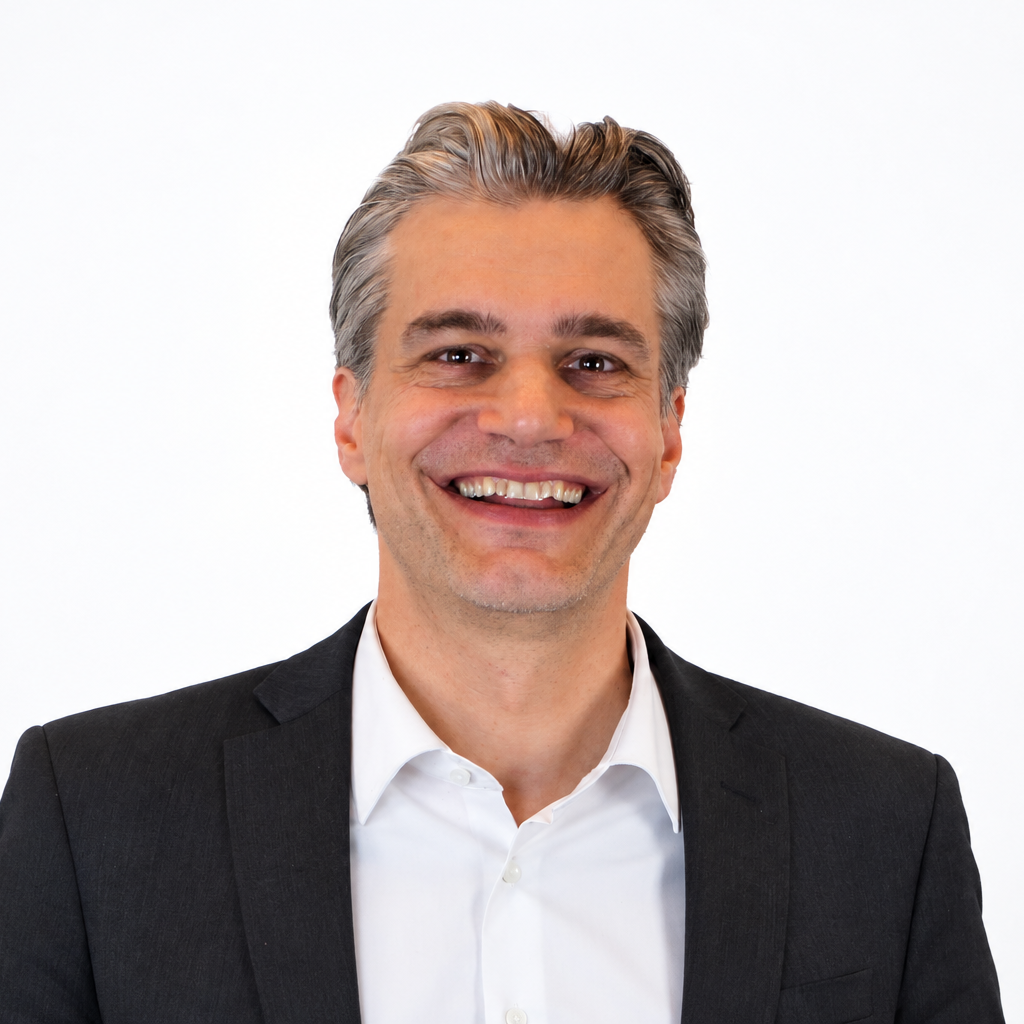
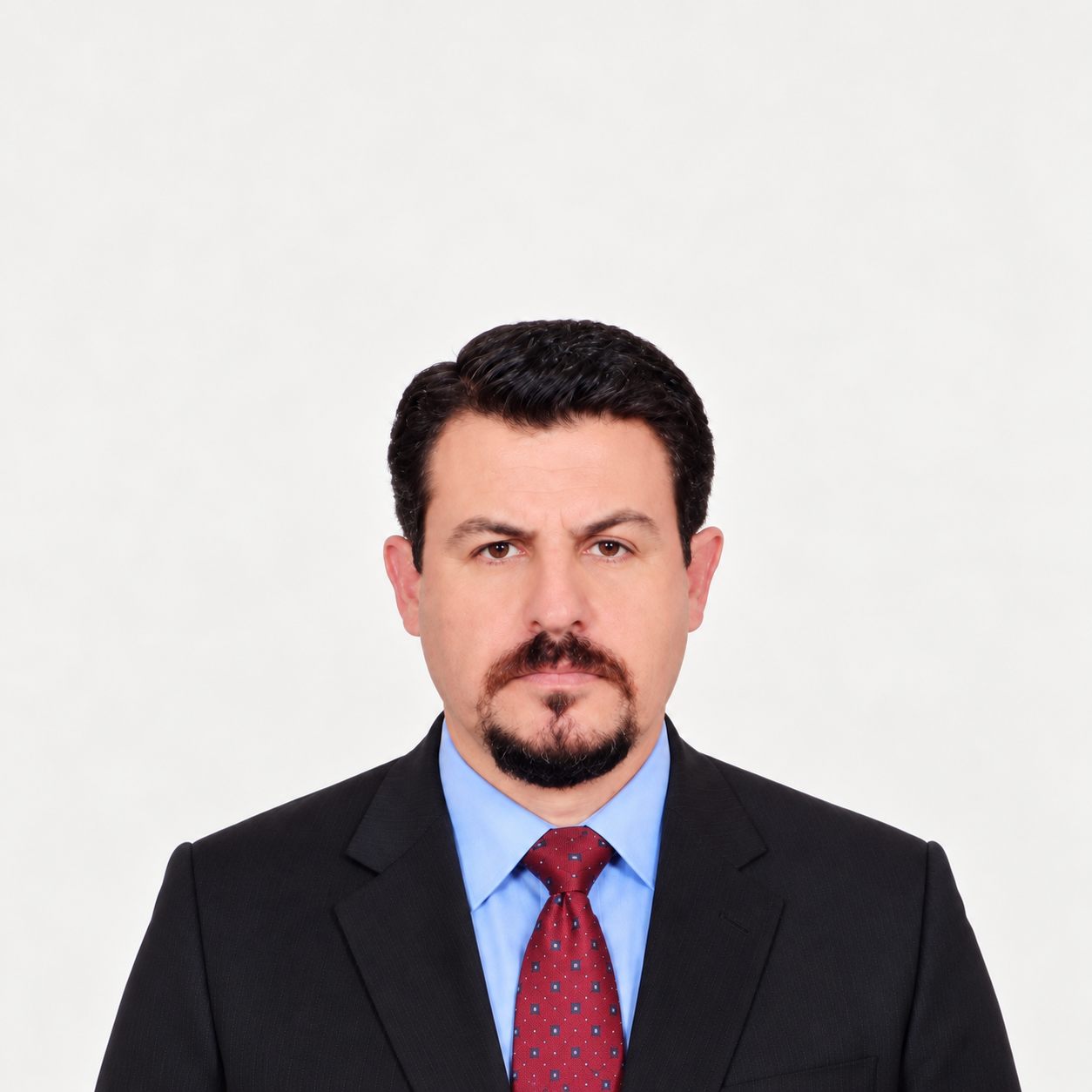
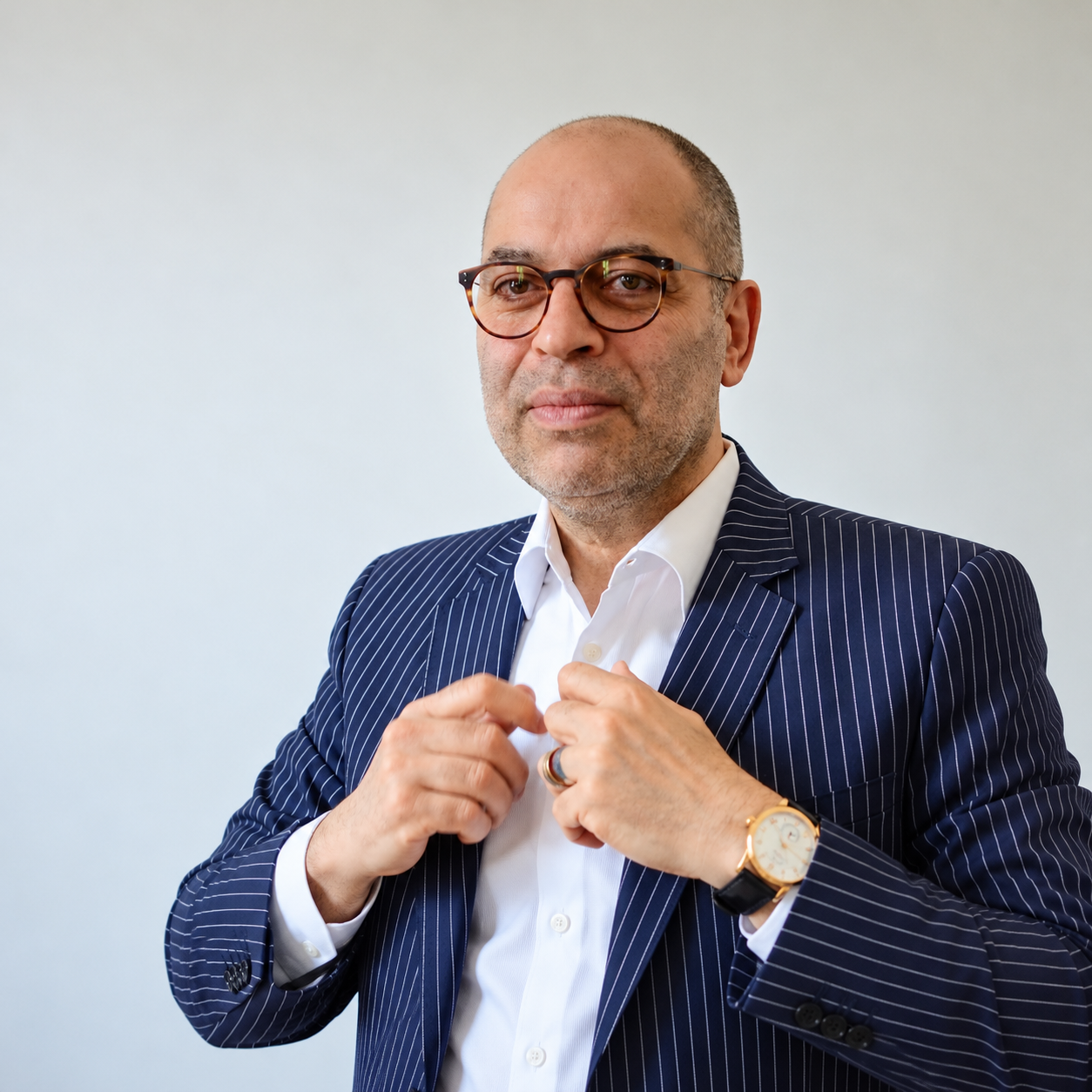
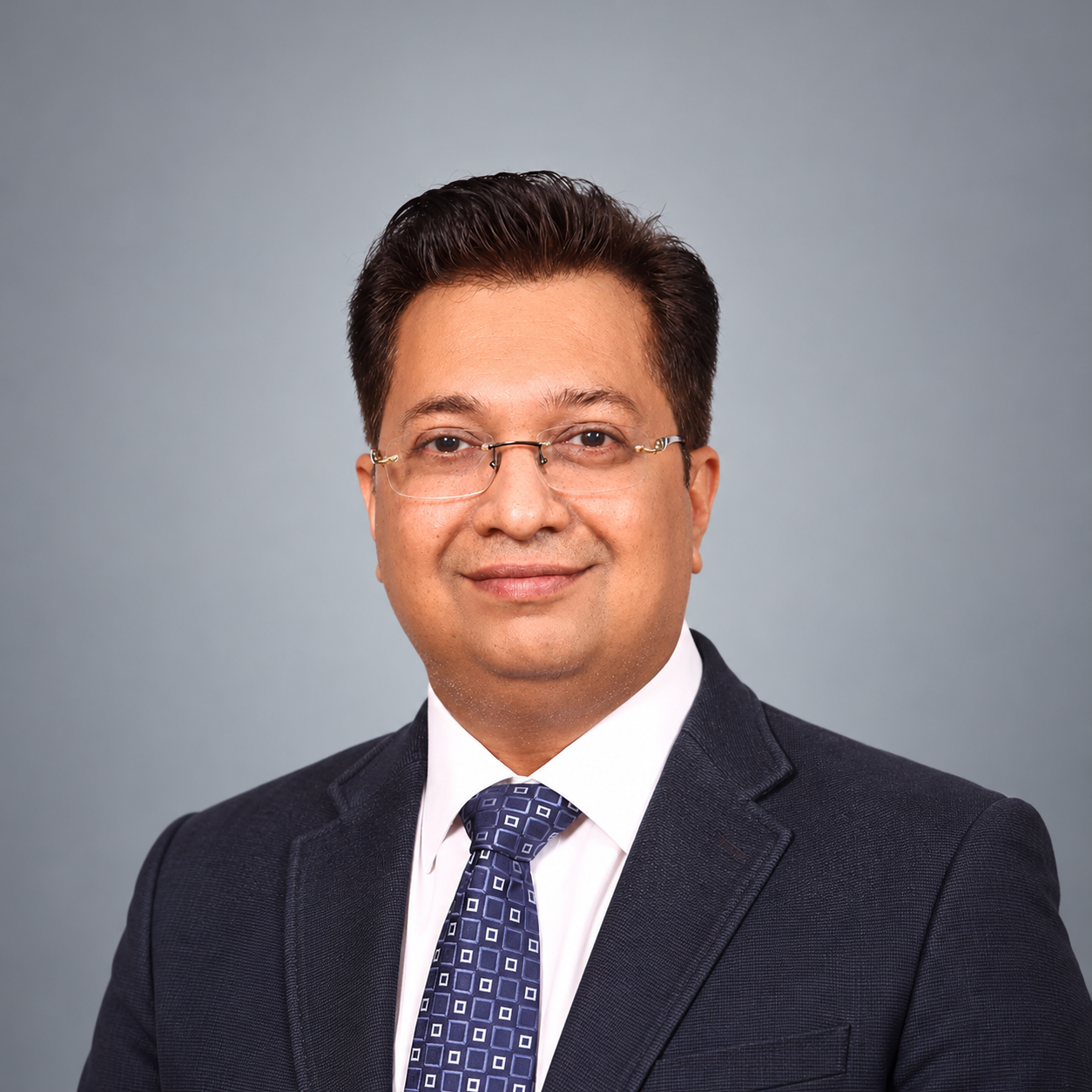
Senior professionals responsible for WONE Global work in Switzerland, under their own professional rules.
Cases
Cases whose typical case runs through Switzerland, each with what is at stake, how WONE Global handles it and who handles it here.
Situations
Common problems that need someone on the ground, and worked scenarios involving Switzerland.
Worked scenarios
Scenarios are representative of the work WONE Global coordinates, not specific client matters.
Contact WONE Global
UNBOUNDED™ · Global Business Circuit™
Doing business in Switzerland, across the year
Circuit sessions are 60 minutes online, with 12 business leader places and one corridor. The leaders' own questions set the agenda.
WONE Global is one of the six institutions of the UNBOUNDED™ Global Ecosystem. Links open unboundedglobal.com. WONE Global in the ecosystem
Save your questions, decisions and WONE activity in one account.
Forgot your password? Reset it securely.
Partner workspaces are for Partner firms. Explore partnership →