







 Rome · Italy

Submission received
Your information has been recorded by WONE.
Sourced guides to doing business in each market, and the status of every service there. Partners are in place in 35 markets so far.
One WONE Global Partner for each service in each market. Start from what you need to do, or go straight to a service.
Describe what you need. WONE Global names the service and the professional before any work begins.
Bring a requirement →Licences, value chains and the questions businesses in each industry ask first, with the services that usually apply.
What one country changes for the other, worked journeys step by step, and who handles each side.
When cross-border business becomes a dispute, UNIONE™, also part of the UNBOUNDED™ Global Ecosystem, prevents it, resolves it, arbitrates it and plans enforcement. 334 Fellows in 58 countries.
41 jurisdictions, each with primary sources and the date last checked.
Named senior professionals, each admitted as the one firm for a service in their country, and the firms they lead.
One Partner per service, per jurisdiction, admitted by review against published criteria.
Every statement is labelled: source-checked, professionally reviewed or not yet checked, with its source and date where checked.
Answers cite WONE Global's sourced statements and show how each one was checked. Research, not advice.
Accomplished regional specialists and international cross-border intelligence, across 100 countries, with one contact and one published Standard.
Industries · Life Sciences & Healthcare
What a business in medical devices usually needs to sort out when it works in more than one country, and who at WONE Global handles it.
Typical issues
General orientation, not advice. How each applies depends on your markets — your WONE Global professional confirms it.
Services
Industry experience
If no professional is listed for your market, WONE Global arranges qualified local expertise and names them before work begins.
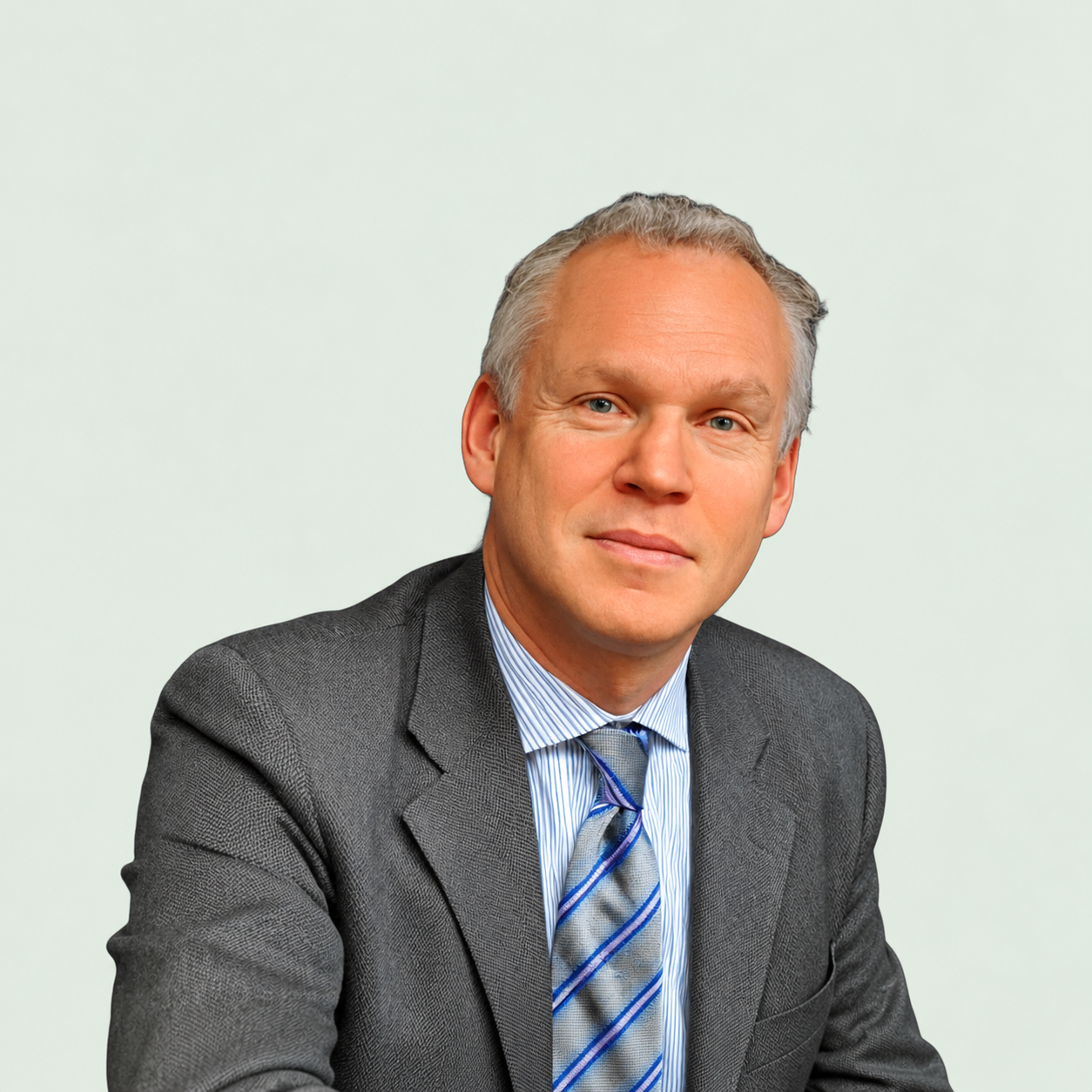
Rome · Italy Ho Chi Minh City · Vietnam
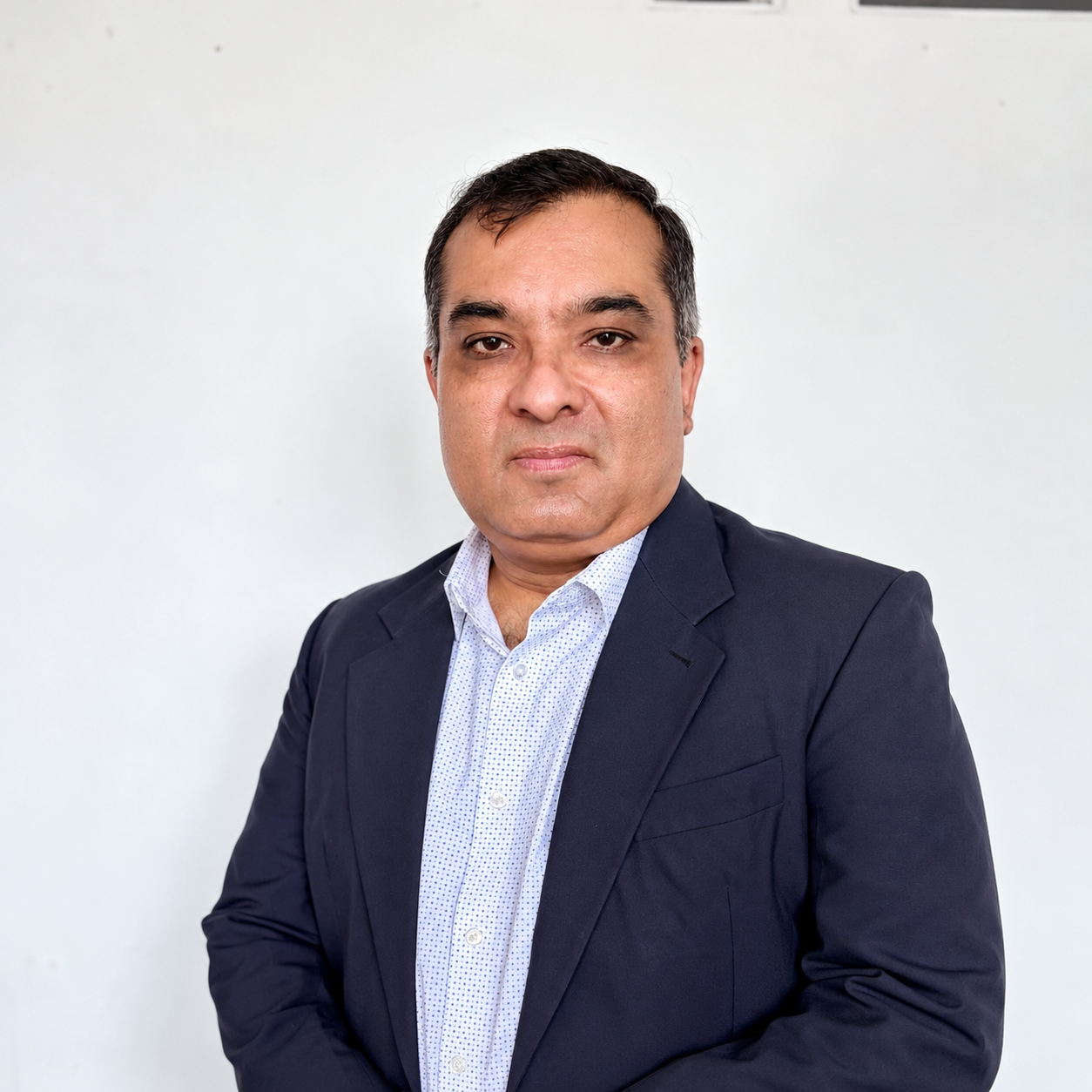
WONE Global Partner · Vietnam
 Tripoli
WONE Global Partner
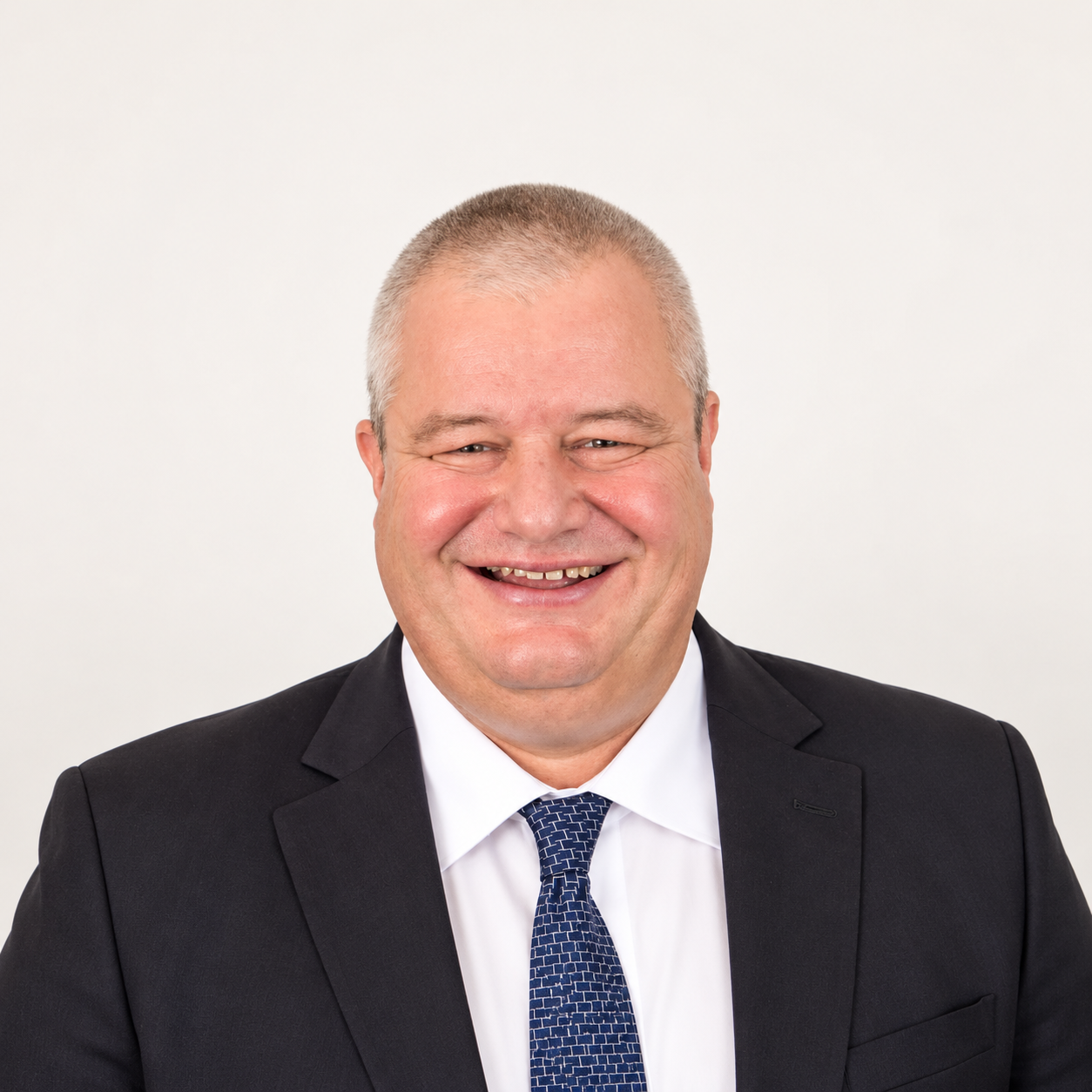
Mohamed Fawzi Kurd is the Chairman and Managing Partner of the Libyan Consultancy Group (LGC), with over 16 years of experience in financial advisory, audit, and corporate governance across Libya and the MENA region. He…
 Buenos Aires · Argentina
WONE Global Partner · Argentina
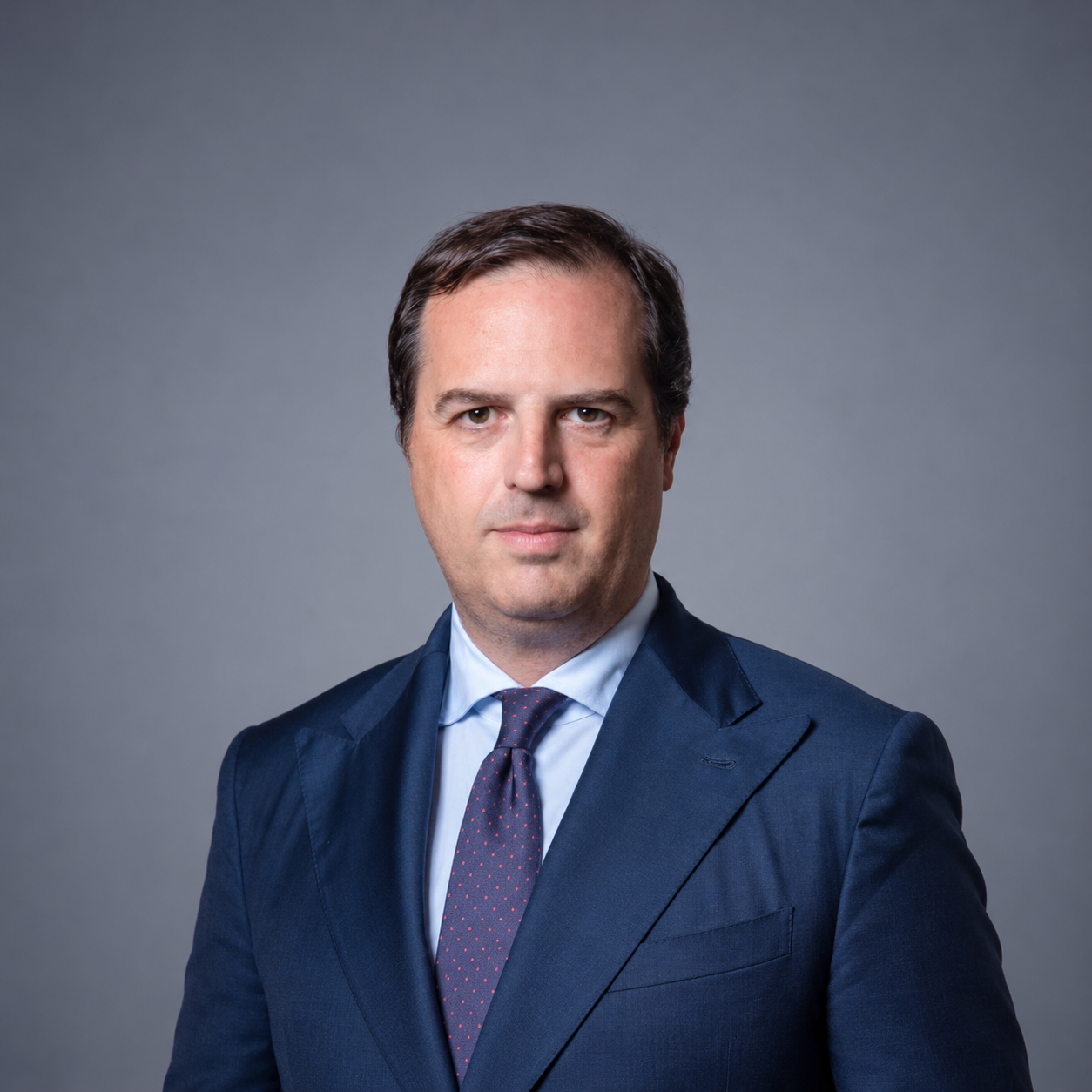
Ezequiel Canil is the Managing Partner of Estudio Canil and a recognized specialist in Wealth & Estate Structuring and International Tax Planning. With more than 25 years of experience, he advises multinational groups, …
 South Carolina · United States
WONE Global Partner · United States
 Lusaka · Zambia
WONE Global Partner · Zambia
Also in Life Sciences & Healthcare
What the guides say · Regulatory & Government
Licences and regulators is usually the first thing medical devices businesses check. Choose a market to see its rules.
| South AfricaEssentials · source-checked | Special Economic Zones offer a reduced corporate tax rate and customs relief, and the dtic runs a range of investment incentives. Sector licensing, procurement and property rules were not sourced for this guide. |
|---|---|
| EgyptEssentials · source-checked | Incentives are tied to location, sector and foreign-currency financing, and strategic projects can seek a single Golden License. Free zones sit outside the ordinary tax laws but pay fees on goods or revenue. |
| KenyaEssentials · source-checked | Foreigners can hold land only on leasehold. |
| NigeriaEssentials · source-checked | The new Economic Development Tax Incentive replaces Pioneer Status for priority sectors, and free zones offer broad tax exemptions. Sector licensing was not sourced. |
| AustraliaEssentials · source-checked | Foreign purchases of land and residential property are controlled through federal foreign investment rules and state and territory surcharges. A federal research and development tax incentive is the main general incentive. |
|---|
| PolandEssentials · source-checked | The Polish Investment Zone offers a CIT or PIT exemption for new investments anywhere in Poland for 12 to 15 years, and government grants are available for some projects. |
|---|
| ChinaEssentials · source-checked | Sector access is governed by two lists: the foreign investment negative list and a Negative List for Market Access that applies to everyone. Pilot free trade zones have a shorter list, and more favourable treaty or zone measures prevail. |
|---|---|
| JapanEssentials · source-checked | Tax incentives were reshaped by the 2026 Tax Reform Act: the research and development credit was revised and the salary increase credit was cut back for larger companies. |
| South KoreaEssentials · source-checked | Defence-industry share acquisitions need prior ministry approval, and business registration requires a real office address. Larger companies face statutory external audit. |
| Hong KongEssentials · source-checked | Most trading and services businesses need only business registration, but specific activities are licensed by sector regulators. The Companies Registry licenses trust or company service providers and money lenders. |
| United Arab EmiratesFull guide | Every business needs a licence from either the emirate's economic department (mainland) or a free zone authority, and regulated sectors need separate approval from a sector regulator. |
|---|---|
| Saudi ArabiaFull guide | Beyond investment registration, many activities need a sector licence, and MISA's activity conditions set Saudi-participation or experience thresholds for communications, legal and engineering work. |
| QatarEssentials · source-checked | Commercial agency arrangements are reserved for Qatari agents. Foreign property ownership is allowed only in designated areas. |
| BahrainEssentials · source-checked | The Central Bank of Bahrain is a single regulator for banking, insurance, investment business and capital markets. Foreign nationals may own property in designated areas. |
| OmanEssentials · partly source-checked | Special economic zones and free zones, including Duqm, Sohar and Salalah, offer incentives under the Public Authority for Special Economic Zones and Free Zones. Foreign property ownership is allowed mainly in integrated tourism complexes. |
| BrazilEssentials · source-checked | Brazilian law gives foreign capital the same treatment as national capital, but sector laws restrict foreign participation in some fields. The Manaus Free Trade Zone keeps a tax advantage under the reform. |
|---|---|
| ChileEssentials · source-checked | Lithium is reserved to the state, and access is through state contracts. Public procurement runs through the ChileCompra platform. |
| ColombiaEssentials · source-checked | Several Superintendencias regulate company law, finance and industry. Foreigners can generally own real estate. |
| SwedenEssentials · partly source-checked | Public procurement follows EU directives and is supervised by the Swedish Competition Authority. There is no general restriction on foreign ownership of real estate, and incentives are mainly tax-based, such as relief for foreign experts. |
|---|---|
| NorwayEssentials · partly source-checked | Public procurement follows EU rules through the EEA Agreement. Foreign ownership of real estate is not generally restricted, but acquisitions of some property, notably agricultural and forest land, need a concession. |
| United StatesFull guide | There is no single US business licence: regulated activities are licensed by federal agencies, states, localities or several at once, and some federal regimes cap foreign ownership, notably communications licences and air carriers. |
|---|---|
| CanadaEssentials · source-checked | Licensing is spread across federal, provincial, territorial and municipal governments, with banks, telecoms, airlines and interprovincial transport under federal jurisdiction and most other activity provincial. |
| MexicoEssentials · source-checked | Foreign ownership of land is restricted in a strip along the borders and coasts, where foreigners use a bank trust or a Mexican company instead. |
| IndiaFull guide | Sector caps and approval routes are the main regulatory filter for foreign businesses. Manufacturing, telecom and many trading models are open to 100% foreign investment under the automatic route, while banking, defence above 74%… |
|---|
| SingaporeFull guide | Singapore licenses regulated activities through sector regulators rather than through a general foreign investment approval, so ACRA registration does not by itself permit a regulated business: banking needs MAS licensing or authorisation… |
|---|---|
| MalaysiaEssentials · source-checked | MIDA approves and promotes manufacturing and many services investments and administers the main tax incentives. Incentives depend on project implementation within 24 months. Sector licensing and land rules need separate checking. |
| VietnamEssentials · source-checked | Many sectors are conditional business lines that need sector licences or must meet set conditions, though the list was cut from 198 to 142 lines from 1 July 2026. |
| IndonesiaEssentials · partly source-checked | Foreign companies cannot hold freehold land but can use building and business use rights. Incentives include tax holidays, tax allowances and special economic zones, and halal certification is being phased in for many consumer products. |
| ThailandEssentials · source-checked | Foreigners generally cannot own land, but may own condominium units within a foreign quota. BOI promotion and the Eastern Economic Corridor offer tax holidays and other incentives. |
| United KingdomFull guide | Most UK businesses need no general operating licence, but financial services are subject to a strict authorisation requirement and many sectors have their own regulator or licensing body. |
|---|---|
| IrelandEssentials · source-checked | Most businesses need no general licence to operate, but financial services require Central Bank authorisation. The R&D tax credit and IDA Ireland supports are the main incentives confirmed here. |
| GermanyFull guide | Most commercial activity only needs a notification to the local trade office, but some activities need a register entry or licence, such as skilled crafts listed in Annex A of the Crafts Code. |
|---|---|
| FranceFull guide | Some activities in France need an authorisation, diploma or licence before the company can register, and proof must go into the registration file. |
| NetherlandsEssentials · source-checked | Only real estate transfer tax could be confirmed: 10.4% generally and 8% for residential investments from 2026. Sector licensing, procurement and incentives were not confirmed. |
| SwitzerlandEssentials · source-checked | Financial-market activity requires FINMA authorisation, and foreign acquisition of Swiss real estate is restricted under the Lex Koller and decided at cantonal level. Public tenders at all levels of government are published on simap.ch. |
| ItalyEssentials · source-checked | Banking and financial activities need authorisation from Banca d'Italia, and strategic assets are subject to the golden power regime. Several national incentive schemes, mainly managed by Invitalia, support large or regional investments. |
| SpainEssentials · source-checked | Sector licensing, public procurement and real estate rules could not be sourced run. What was confirmed is that some foreign investments need prior authorisation and that corporate tax incentives exist for R&D and job creation. |
| LuxembourgEssentials · source-checked | Most regular economic activity needs a business permit from the Ministry of the Economy, which requires a physical presence in Luxembourg. Real estate transfers bear registration duties. |
| TürkiyeEssentials · source-checked | Foreign investors generally need no special permission, but sector permits apply in regulated areas such as energy and finance. |
|---|---|
| IsraelEssentials · source-checked | Government procurement is tender-based and Israel is a party to the WTO Government Procurement Agreement. Most land is publicly owned and held on long leases. |
| ArgentinaEssentials · source-checked | The Ley Bases of July 2024 is the main recent framework for investment incentives, including the large investment regime (RIGI). Its eligibility rules and benefits, as well as sector licensing and land rules, were not confirmed. |
|---|---|
| AustriaEssentials · source-checked | Purchases of real estate by non-EU persons are controlled by the laws of the nine federal states. Public procurement follows the Federal Procurement Act 2018, which transposes EU rules. |
| BangladeshEssentials · partly source-checked | Export processing zones, economic zones and hi-tech parks offer tax holidays, duty-free import of capital machinery and simpler approvals. Financial services, telecoms, insurance and capital markets have dedicated regulators. |
| BelgiumEssentials · partly source-checked | Financial services follow a twin-peaks model, with the National Bank of Belgium handling prudential supervision and the Financial Services and Markets Authority conduct supervision. |
| CameroonEssentials · partly source-checked | Banking is supervised by the regional banking commission and insurance under the regional CIMA code. Public procurement has its own code and authorities. |
| CyprusEssentials · source-checked | Investment firms, funds and crypto-asset service providers are supervised by the Cyprus Securities and Exchange Commission, and banks by the Central Bank of Cyprus and the ECB. Non-EU buyers need permission to acquire real estate. |
| Czech RepublicEssentials · source-checked | Foreign entities may do business on the same terms as Czech entrepreneurs, but activities need a trade licence or, for some activities, a concession. The trade licensing office can also handle initial tax registration. |
| DenmarkEssentials · source-checked | Public procurement follows EU rules. Non-residents generally need permission to acquire Danish real property. |
| EcuadorEssentials · partly source-checked | Special economic development zones offer further benefits. Strategic sectors such as hydrocarbons, mining and telecommunications are reserved to the state, with private participation through concessions or delegation. |
| FinlandEssentials · source-checked | Financial services in Finland are authorised by the Financial Supervisory Authority, and public procurement follows EU rules. Buyers from outside the EU and EEA need permission from the Ministry of Defence to acquire real estate. |
| GreeceEssentials · source-checked | Financial services are supervised by the Bank of Greece and the Hellenic Capital Market Commission, and other sectors have their own regulators. |
| HungaryEssentials · source-checked | The Magyar Nemzeti Bank is both central bank and integrated financial supervisor. Large investments can receive individual government cash subsidies through the Hungarian Investment Promotion Agency. |
| MoroccoEssentials · source-checked | Industrial acceleration zones and Casablanca Finance City offer incentives, and foreigners can buy most urban property but face restrictions on agricultural land. |
| New ZealandEssentials · source-checked | Overseas persons are generally barred from buying residential land, with exemptions for Australian and Singaporean citizens. Research and development is supported by a tax credit. |
| PanamaEssentials · source-checked | Panama offers special regimes for regional headquarters (SEM), manufacturing services (EMMSA), the Colón Free Zone and the Panama Pacífico special economic area. A moratorium on new metal mining concessions has applied since 2023. |
| PhilippinesEssentials · source-checked | Tax incentives for registered enterprises in priority activities are granted under the CREATE framework, as amended by the CREATE MORE Act, by investment promotion agencies or the Fiscal Incentives Review Board. |
| PortugalEssentials · source-checked | Foreign investors may own real estate without restriction, and property rights must be registered within two months. Specific activities may need their own registration, and the SIFIDE II R&D incentive has been extended through 2026. |
| RwandaEssentials · source-checked | The Kigali Special Economic Zone is regulated by the Special Economic Zones Authority of Rwanda. Public procurement runs through an electronic system, and foreign land rights should be checked against the land law. |
| UgandaEssentials · source-checked | Non-citizens cannot hold freehold land, and local content rules apply in oil and gas and public procurement. |
| ZambiaEssentials · partly source-checked | Multi-facility economic zones offer incentives, and land is generally held on leasehold, with non-citizens able to acquire land only in limited circumstances. |
Our full guides are checked against official sources. Guides drafted with AI are marked as such. None of this is legal or tax advice.
WONE Global Intelligence
Ask in your own words. Answers come from WONE Global's checked records, with every source shown, and end with the named Partner who can act. Go deeper on any point, or build a decision file.
Contact WONE Global
WONE Global Partners
Named professionals connected to this page — each admitted as the specialist for one kind of work in their country, at a firm WONE Global has admitted.
 Pretoria · South Africa
WONE Global Partner · South Africa
 Ho Chi Minh City · Vietnam
WONE Global Partner · Vietnam
Over 20 years of experience specializing in legal matters and practical operations for Japanese businesses in Vietnam (investment law, corporate law, labor, commerce, intellectual property, and tax).
In this sector
Situations in the words businesses use, and representative scenarios of how WONE Global handles them for companies in this sector.
Worked scenarios
Scenarios are representative of the work WONE Global coordinates, not specific client matters.
Save your questions, decisions and WONE activity in one account.
Forgot your password? Reset it securely.
Partner workspaces are for Partner firms. Explore partnership →