








Submission received
Your information has been recorded by WONE.
Sourced guides to doing business in each market, and the status of every service there. Partners are in place in 35 markets so far.
One WONE Global Partner for each service in each market. Start from what you need to do, or go straight to a service.
Describe what you need. WONE Global names the service and the professional before any work begins.
Bring a requirement →Licences, value chains and the questions businesses in each industry ask first, with the services that usually apply.
What one country changes for the other, worked journeys step by step, and who handles each side.
When cross-border business becomes a dispute, UNIONE™, also part of the UNBOUNDED™ Global Ecosystem, prevents it, resolves it, arbitrates it and plans enforcement. 334 Fellows in 58 countries.
41 jurisdictions, each with primary sources and the date last checked.
Named senior professionals, each admitted as the one firm for a service in their country, and the firms they lead.
One Partner per service, per jurisdiction, admitted by review against published criteria.
Every statement is labelled: source-checked, professionally reviewed or not yet checked, with its source and date where checked.
Answers cite WONE Global's sourced statements and show how each one was checked. Research, not advice.
Accomplished regional specialists and international cross-border intelligence, across 100 countries, with one contact and one published Standard.
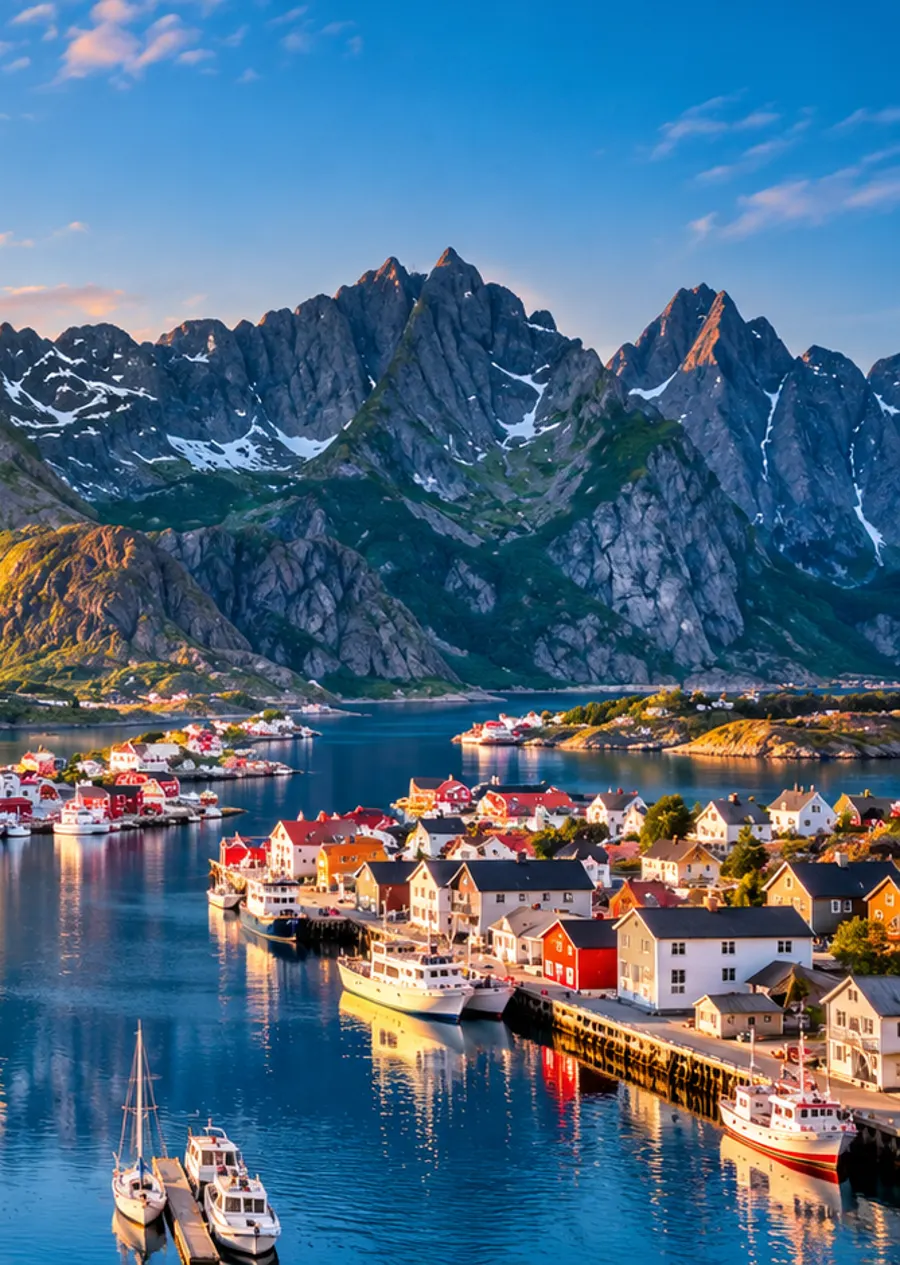
Nordics · WONE Global market
Norway is covered by WONE for cross-border business discovery, with links to relevant expertise, professionals, industries and market intelligence. No WONE Global Partner is in place here yet. WONE Global confirms on request whether a vetted Associate firm can act, before anything begins.
Oslo · Tuesday 3 November
22:11
Local time
Market guide · Partly source-checked
Norway is a member of the European Economic Area but not of the EU. Most foreign investors use a private limited company (AS), which needs at least NOK 30,000 share capital, a board at least half resident in the EEA, the UK or Switzerland, and registration within three months of founding, or register a Norwegian branch (NUF). Company profits are taxed at 22% and dividends to foreign shareholders carry 25% withholding tax unless a reduced rate is documented. Mergers with Norwegian turnover above NOK 1 billion must be notified and cannot close before clearance.
Essentials guide · Partly source-checked37% of statements checked against a source19 checked against an official source0 checked against a secondary sourceChecked 2026-10-199 held back until checked against an official source6 topics include AI-written statements, not source-checkedNot yet professionally reviewed
Companies and branches register with the Brønnøysund Register Centre, usually through the Altinn government portal, and beneficial owners must be reported shortly after registration. Tax and withholding are administered by the Norwegian Tax Administration (Skatteetaten), employee registration runs through NAV's a-melding, and merger control sits with the Norwegian Competition Authority. As an EEA state, Norway takes part in the EU internal market without being an EU member, and customs, data protection, IP and dispute resolution were not checked on official pages for this guide.
Key facts
Foreign investors usually form an AS or register a NUF branch with the Brønnøysund Register Centre. An AS needs NOK 30,000 share capital confirmed before registration, a board at least half resident in the EEA, UK or Switzerland, and registration within three months of founding. Beneficial owners must be reported within 14 days of receiving an organisation number.
Key facts
An AS needs at least NOK 30,000 share capital, confirmed by a bank, auditor, lawyer or accountant (only an auditor for non-cash contributions) before registration.
The board needs at least one member and a chair, and at least half must live in Norway, the EU/EEA, the UK or Switzerland; a general manager is optional but subject to the same rule.
Register within three months of the last founder signing; online registration costs NOK 6,825.
Report beneficial owners within 14 days of receiving the organisation number to avoid daily fines.
A foreign company doing business in Norway registers as a NUF with recent home-registry proof, its articles and a board decision.
Who handles this in NorwayCorporate & Entity ServicesRisk, Compliance & Financial Integrity
Questions on this topic
6 statements on entry, investment and company formation in Norway
Company profits are taxed at 22%. Dividends to foreign shareholders carry 25% withholding tax, reported and paid by the distributing company within seven days, with reduced rates available on documentation. Intercompany dividends and share gains are largely exempt, and small companies can opt out of audit.
Key facts
AS profits are taxed at 22%.
Withholding tax on dividends to foreign shareholders is 25% unless the shareholder documents entitlement to a lower rate; the paying company reports and pays within seven days.
The exemption method makes most dividends and share gains tax-free for companies, with 3% of dividends taxed; it covers EEA companies but not low-tax companies outside the EEA.
An AS with turnover under NOK 7 million, assets under NOK 27 million and fewer than 10 FTEs can normally opt out of audit.
Who handles this in NorwayTax & International StructuringAccounting, Reporting & Statutory ComplianceAudit & Assurance
Questions on this topic
5 statements on tax, accounting and audit in Norway
Employers register employees with NAV through the a-melding and pay employer's national insurance contributions every two months. Eligible foreign workers can be taxed under a flat 25% PAYE scheme. Non-EU/EEA nationals need a residence permit allowing work.
Key facts
Eligible foreign workers can be taxed at a flat 25% under the PAYE scheme, including 7.7% national insurance, without deductions.
Employer's national insurance contributions are paid every two months; an A1 form can exempt posted workers.
Every employee must be registered with NAV through the a-melding.
Non-EU/EEA nationals running a business need a UDI residence permit that allows work.
Who handles this in NorwayEmployment, Payroll & Mobility
Questions on this topic
4 statements on employment, payroll and mobility in Norway
This topic was written by AI from general knowledge and is being checked against official sources. Confirm anything you plan to rely on with a qualified local professional.
1 statement on rates, thresholds or deadlines is held back until it is checked against an official source.
Public procurement follows EU rules through the EEA Agreement. Foreign ownership of real estate is not generally restricted, but acquisitions of some property, notably agricultural and forest land, need a concession.
Key facts
Banks, insurers, investment firms and payment institutions need authorisation from Finanstilsynet.
AI-writtenPublic procurement follows EU directives as applied through the EEA Agreement.
AI-writtenThere is no general restriction on foreign ownership of real estate, but some acquisitions need a concession.
AI-writtenSupport includes Innovation Norway financing and the SkatteFUNN R&D tax incentive, within EEA state aid rules.
AI-writtenWho handles this in NorwayGovernment & Regulatory Affairs
Questions on this topic
5 statements on licensing, incentives and property in Norway, 5 not yet checked against a source
This topic was written by AI from general knowledge and is being checked against official sources. Confirm anything you plan to rely on with a qualified local professional.
Norway uses its own currency, the Norwegian krone, and has no exchange controls; capital moves freely under the EEA Agreement. Banks apply customer due diligence under the anti-money laundering rules, and payment and e-money institutions need authorisation from Finanstilsynet under EEA payment services rules. Cross-border transfers are reported by banks to the Currency Register for control purposes.
Key facts
The Norwegian krone is the currency, issued by Norges Bank, and there are no exchange controls.
AI-writtenBanks report cross-border transfers to the Currency Register, which authorities use for control purposes.
AI-writtenBanks must identify beneficial owners and verify customers before opening accounts.
AI-writtenPayment and e-money institutions need Finanstilsynet authorisation, or an EEA passport.
AI-writtenNon-residents without a Norwegian identity number can find account opening and digital banking slower.
AI-writtenWho handles this in NorwayBanking & Capital AccessPayments, Foreign Exchange & Settlement
Questions on this topic
5 statements on banking, payments and capital in Norway, 5 not yet checked against a source
Norway takes part in the EU internal market through the EEA Agreement but is not an EU member. Its customs position, tariffs and export control rules could not yet be confirmed from official sources, so treat trade in goods with the EU and third countries as needing separate customs advice.
Key facts
Norway takes part in the EU internal market through the EEA Agreement but is not an EU member.
Who handles this in NorwayTrade, Customs & Supply Chain
Questions on this topic
1 statement on trade, customs and export controls in Norway
This topic was written by AI from general knowledge and is being checked against official sources. Confirm anything you plan to rely on with a qualified local professional.
5 statements on rates, thresholds or deadlines are held back until they are checked against an official source.
Who handles this in NorwayTechnology, Data & Cyber
Questions on this topic
0 statements on data protection and cyber in Norway
This topic was written by AI from general knowledge and is being checked against official sources. Confirm anything you plan to rely on with a qualified local professional.
1 statement on rates, thresholds or deadlines is held back until it is checked against an official source.
The Norwegian Industrial Property Office (Patentstyret) registers patents, trade marks and designs. Norway is a party to the European Patent Convention, the PCT, the Madrid Protocol and the Paris Convention, but is not part of the EU Unitary Patent system. Copyright arises automatically, and EU trade marks and designs do not cover Norway.
Key facts
Patentstyret registers patents, trade marks and designs.
AI-writtenNorway is in the European Patent Convention but not the Unitary Patent system.
AI-writtenInternational routes include the PCT, the Madrid Protocol and Paris Convention priority.
AI-writtenEU trade marks and EU designs do not extend to Norway, so national or Madrid protection is needed.
AI-writtenWho handles this in NorwayIntellectual Property & Brand Protection
Questions on this topic
4 statements on intellectual property in Norway, 4 not yet checked against a source
Concentrations with combined Norwegian turnover above NOK 1 billion must be notified to the Norwegian Competition Authority unless only one party has Norwegian turnover above NOK 100 million. Closing must wait for clearance, with a 25-working-day first phase and a 70-working-day second phase.
Key facts
Notify if combined Norwegian turnover exceeds NOK 1 billion, unless only one party has more than NOK 100 million in Norway.
Do not close before notification and completion of the review.
Phase 1 runs 25 working days and a phase 2 preliminary decision is due within 70 working days, both counted from a complete notification.
Who handles this in NorwayTransactions & DealsLegal & Contracting
Questions on this topic
3 statements on deals, competition and restructuring in Norway
This topic was written by AI from general knowledge and is being checked against official sources. Confirm anything you plan to rely on with a qualified local professional.
2 statements on rates, thresholds or deadlines are held back until they are checked against an official source.
Larger enterprises must carry out human rights due diligence under the Transparency Act, and gender balance rules apply to certain boards.
Key facts
Reporting entities must apply AML due diligence and report suspicions to the financial intelligence unit at Økokrim.
AI-writtenEmployees have a right to report misconduct, and employers with at least five employees need reporting routines.
AI-writtenLarger enterprises must carry out human rights due diligence, and gender balance rules apply to certain boards.
AI-writtenWho handles this in NorwayRisk, Compliance & Financial Integrity
Questions on this topic
4 statements on compliance, sanctions and governance in Norway, 4 not yet checked against a source
This topic was written by AI from general knowledge and is being checked against official sources. Confirm anything you plan to rely on with a qualified local professional.
Civil disputes go through the district courts, the courts of appeal and the Supreme Court, with conciliation boards as a first step for many smaller claims. Arbitration is governed by the Arbitration Act 2004, which is based on the UNCITRAL Model Law, and Norway is a party to the New York Convention. Judgments from EU states, Iceland and Switzerland are recognised under the Lugano Convention.
Key facts
Civil cases run through the district courts, courts of appeal and Supreme Court, with conciliation boards handling many smaller claims first.
AI-writtenThe Arbitration Act 2004 is based on the UNCITRAL Model Law, and the Oslo Chamber of Commerce runs an arbitration institute.
AI-writtenNorway is a party to the New York Convention.
AI-writtenJudgments from EU states, Iceland and Switzerland are recognised under the Lugano Convention.
AI-writtenCourt-connected mediation is available in civil cases.
AI-writtenWho handles this in NorwayDisputes & Resolution
Questions on this topic
6 statements on disputes and enforcement in Norway, 6 not yet checked against a source
Sources last checked on 19 October 2026. None of it has been professionally reviewed yet: it is research checked against official and secondary sources by WONE Global, not legal or tax advice.
WONE Global Intelligence
Ask in your own words. Answers come from WONE Global's checked records, with every source shown, and end with the named Partner who can act. Go deeper on any point, or build a decision file.
Who handles your work
Tell us what you need. WONE Global confirms whether a vetted Associate firm can act, tells you who it is and checks for conflicts before any work starts. You agree scope and fees with that firm directly.
On request
No WONE Global Partner holds this yet. Send us your requirement: WONE Global confirms whether a vetted Associate firm can act, tells you who it is and checks for conflicts before any work begins.
Bring a requirement →Situations
Common problems that need someone on the ground, and worked scenarios involving Norway.
UNBOUNDED™ · Global Business Circuit™
Doing business in Norway, across the year
Circuit sessions are 60 minutes online, with 12 business leader places and one corridor. The leaders' own questions set the agenda.
WONE Global is one of the six institutions of the UNBOUNDED™ Global Ecosystem. Links open unboundedglobal.com. WONE Global in the ecosystem
Save your questions, decisions and WONE activity in one account.
Forgot your password? Reset it securely.
Partner workspaces are for Partner firms. Explore partnership →