

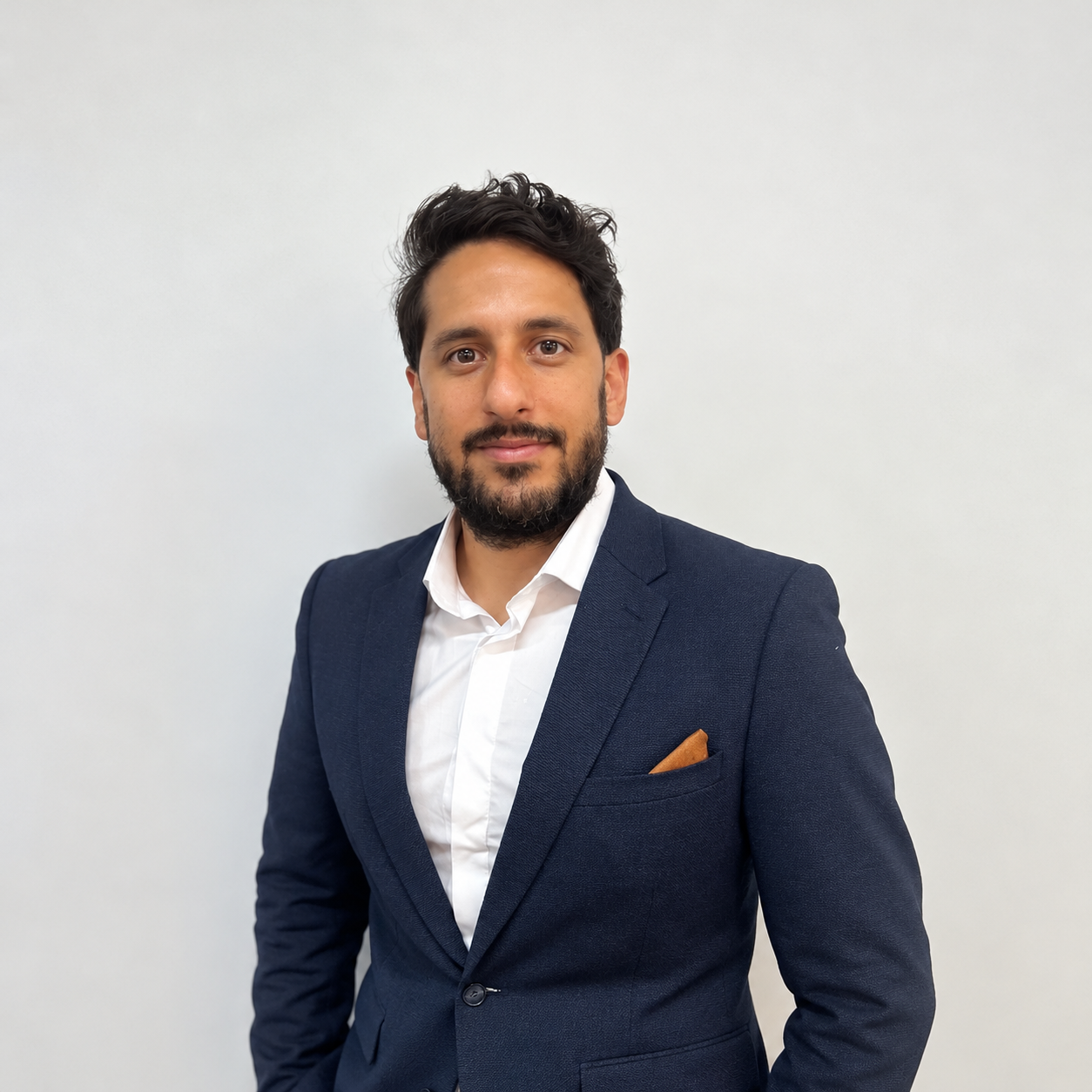
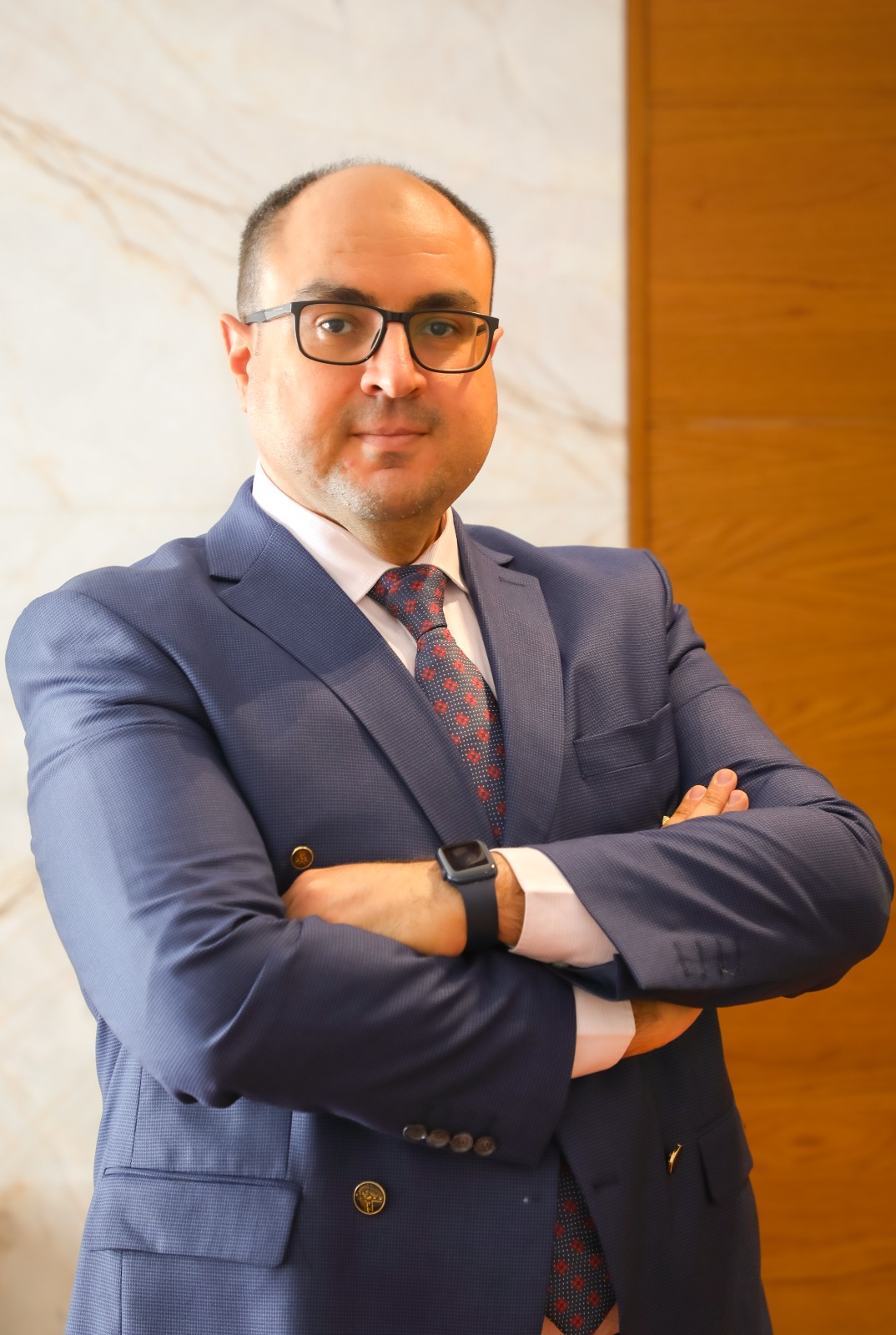

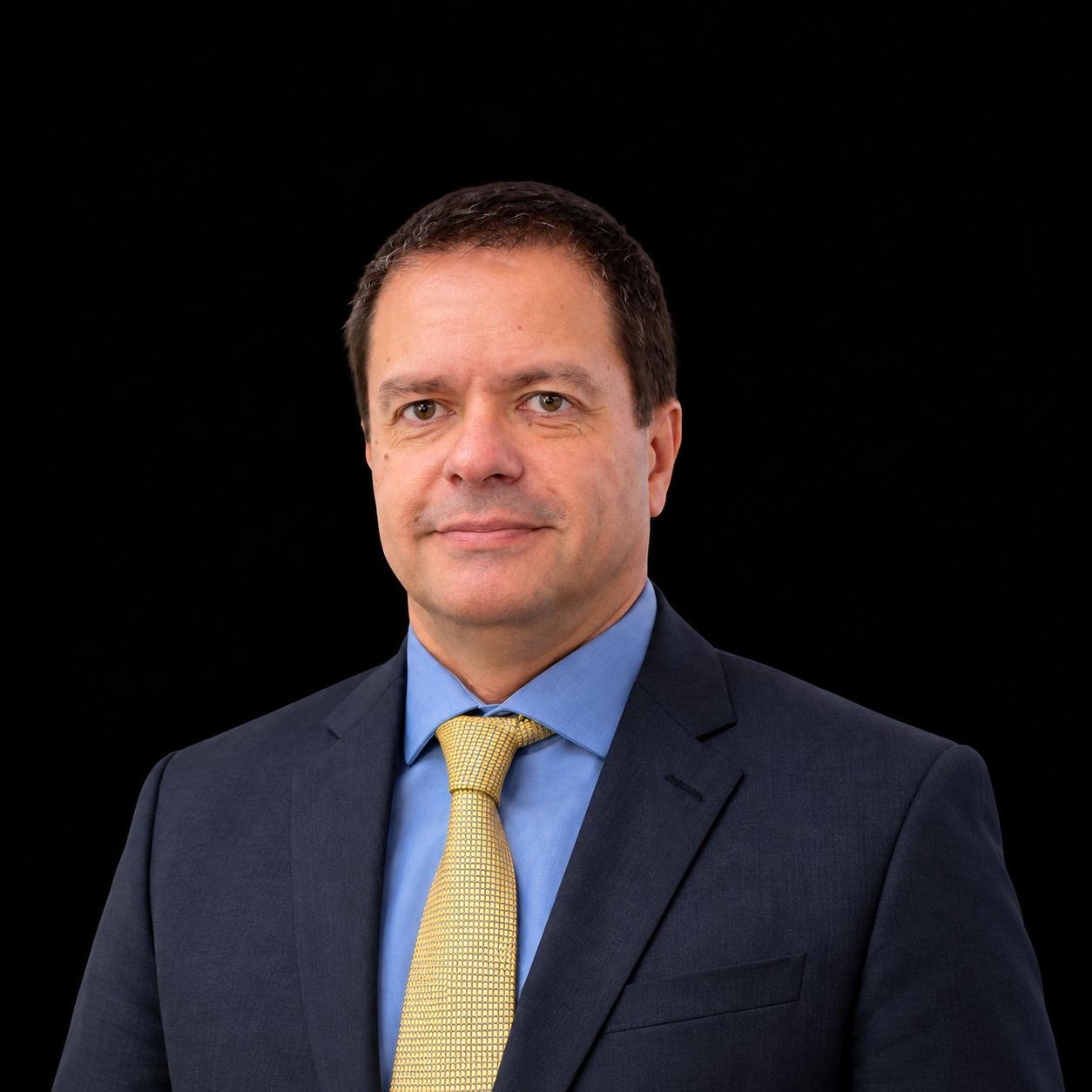
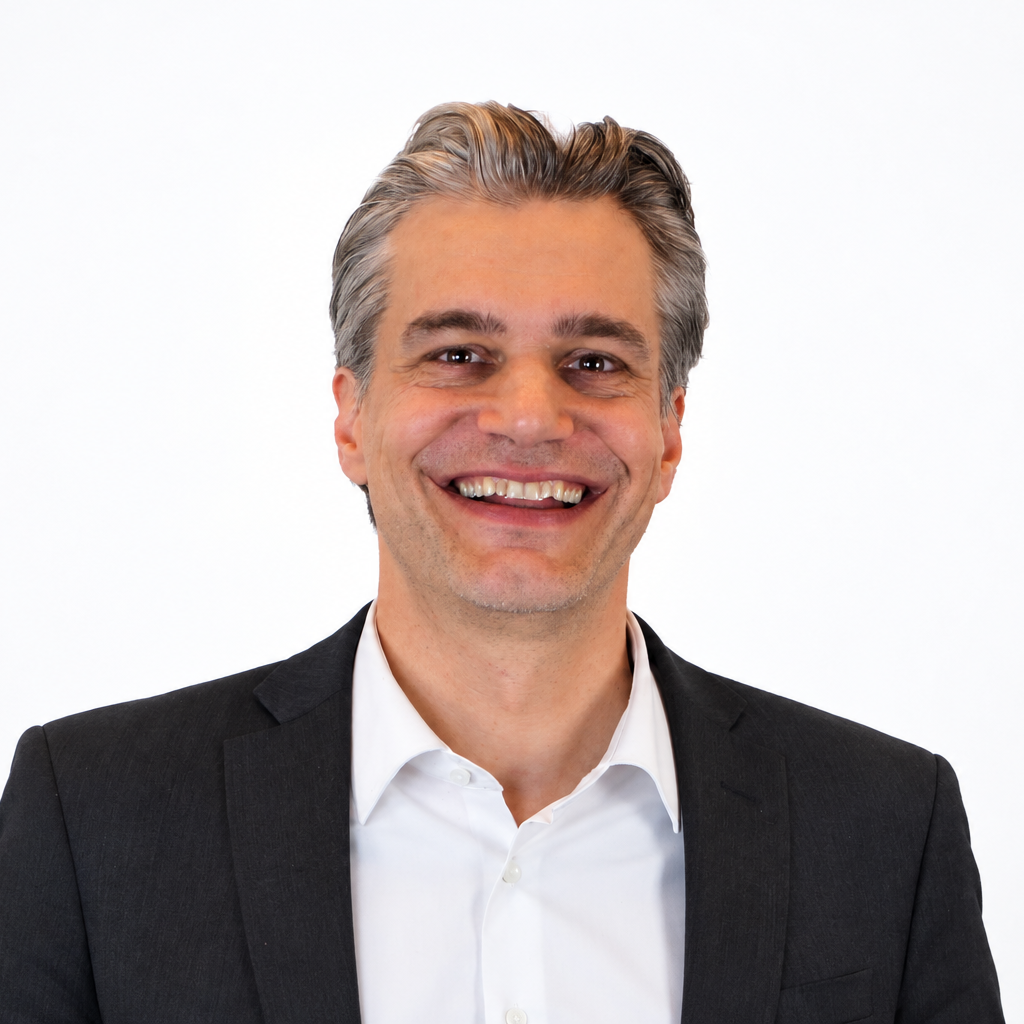


 Nairobi · Kenya
WONE Global Capability Partner · Kenya
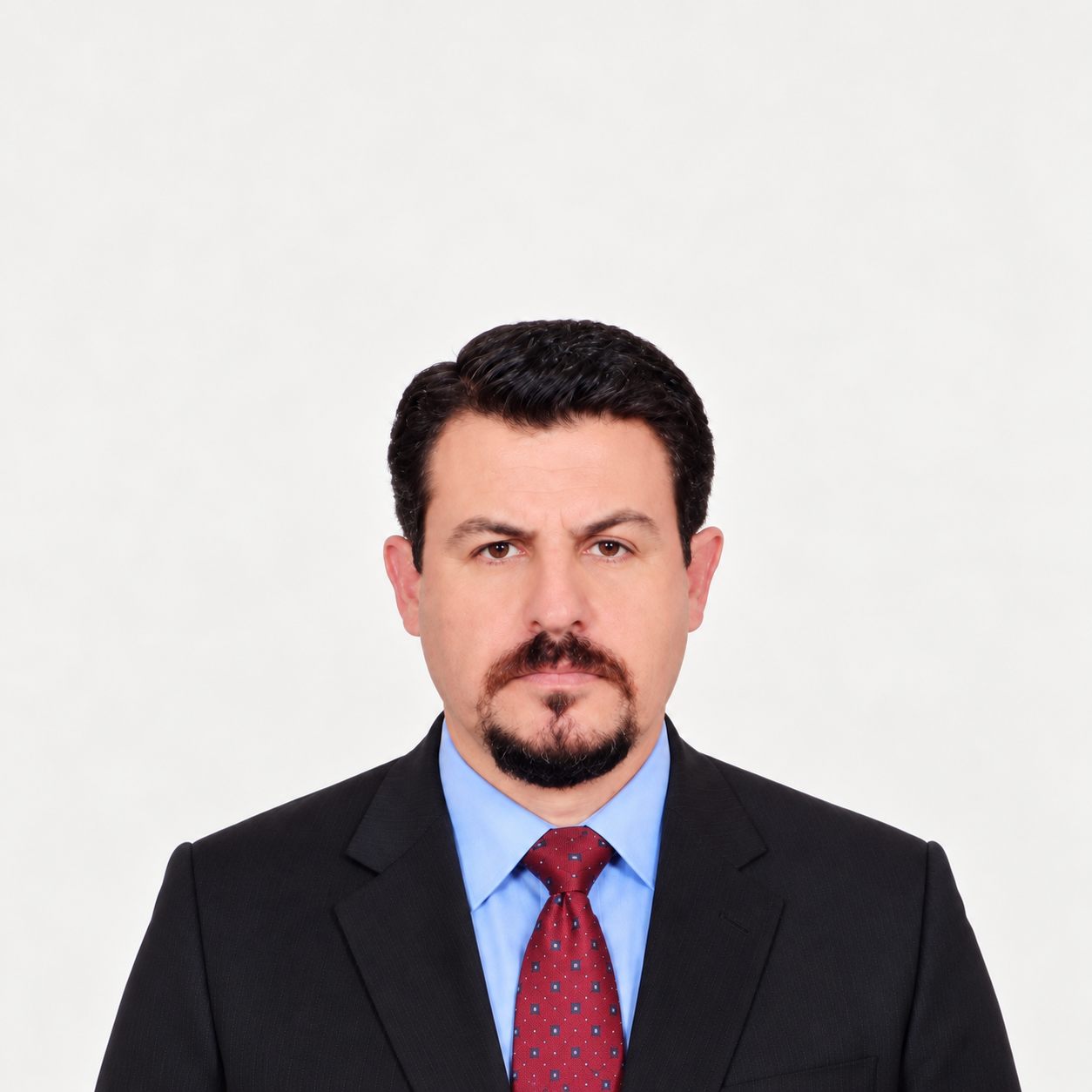
James Ngochi Ngugi
- Contracts and commercial lawNamed lead
- Disputes and arbitrationNamed lead
- Employment, payroll and immigrationNamed lead
Specialties: Commercial Transactions & Litigation
Sourced guides to doing business in each market, and the status of every service there. Partners are in place in 35 markets so far.
One WONE Global Partner for each service in each market. Start from what you need to do, or go straight to a service.
Licences, value chains and the questions businesses in each industry ask first, with the services that usually apply.
Ask WONE Global what applies to your industry in a market, with the sources shown.
What one country changes for the other, worked journeys step by step, and who handles each side.
Named senior professionals, each admitted as the one firm for a service in their country, and the firms they lead.
One Partner per service, per jurisdiction, admitted by review against published criteria.
Every statement is labelled: source-checked, professionally reviewed or not yet checked, with its source and date where checked.
Answers come from statements checked against official sources, with the sources shown. Research, not advice.
Accomplished regional specialists and international cross-border intelligence, across 100 countries, with one contact and one published Standard.
Situations · Ongoing challenges
Money or assets lost to fraud, default or a dispute that crosses borders, and the steps to trace, freeze and recover them.
8 situations
Each one sets out what is at stake, a typical case, how WONE Global solves it and who handles it.
Key questions
Services
What the guides say · Establish & Structure
Setting up the company is usually the first area to review. Choose a market to see its requirements.
| South AfricaEssentials · source-checked | Foreign businesses usually incorporate a private company or register the foreign company as an external company with CIPC. |
|---|---|
| EgyptEssentials · source-checked | The Investment Law gives foreign investors national treatment and sets four investment frameworks, from ordinary 'internal' investment to free zones. |
| KenyaEssentials · source-checked | Most foreign investors set up a private company limited by shares or register their foreign company as a branch with the Business Registration Service. |
| NigeriaEssentials · source-checked | Foreign investors usually incorporate a private company with CAC; one person can form one, and most sectors allow full foreign ownership. |
| AustraliaEssentials · source-checked | Foreign businesses usually incorporate a proprietary company or register their existing company as a foreign company with ASIC under the federal Corporations Act 2001. |
|---|
| PolandEssentials · source-checked | Foreign investors commonly use a limited liability company (sp. z o.o.), a joint stock company or a branch. Companies are registered in the National Court Register, which also triggers tax and statistical numbers, and beneficial owners… |
|---|
| ChinaEssentials · source-checked | Foreign investors set up foreign-invested enterprises under the Foreign Investment Law, which replaced the old joint venture and wholly foreign-owned enterprise laws in 2020. Whether a sector is open depends on the national negative list. |
|---|---|
| JapanEssentials · source-checked | Foreign investors usually incorporate a stock company or register a branch with the legal affairs offices of the Ministry of Justice. |
| South KoreaEssentials · source-checked | Most foreign investment needs only a notification to KOTRA or a foreign exchange bank before funds are remitted, and qualifies as foreign direct investment at KRW 100 million and 10 percent of voting shares. |
| Hong KongEssentials · source-checked | Non-residents can incorporate and direct a local company, and no minimum paid-up capital applies. The usual choices are a private limited company, a registered branch of the foreign company, or a representative office for non-trading… |
| United Arab EmiratesFull guide | Foreign investors choose between a mainland company licensed by an emirate, a free zone entity licensed by a free zone authority, or a company in the DIFC or ADGM financial free zones. |
|---|---|
| Saudi ArabiaFull guide | Foreign investors register with the Ministry of Investment (MISA) before investing, under an Investment Law that replaced the former foreign-investment licence with a registration process. |
| QatarEssentials · source-checked | Foreign investors can set up on the mainland under the Ministry of Commerce and Industry, in the Qatar Financial Centre, or in a Qatar Free Zones Authority zone. |
| BahrainEssentials · source-checked | Bahrain allows GCC citizens and foreigners to own up to 100% of most company forms, depending on the activity, with certain activities banned. |
| OmanEssentials · partly source-checked | Companies are formed under the 2019 Commercial Companies Law and registered with the Ministry of Commerce, Industry and Investment Promotion. Special economic zones and free zones offer an alternative base. |
| BrazilEssentials · source-checked | Foreign investors usually operate through a Brazilian company registered with a state commercial registry, or through a branch, which needs prior federal authorisation. |
|---|---|
| ChileEssentials · source-checked | Chile is open to foreign investment and its investment framework law treats foreign and Chilean investors alike. |
| ColombiaEssentials · source-checked | Colombia gives foreign investors the same treatment as nationals and bars foreign investment only in defence and security and in handling hazardous waste from abroad. |
| SwedenEssentials · partly source-checked | Foreign companies can also register a branch (filial). Beneficial owners must be registered, and investments in security-sensitive activities are subject to mandatory screening by the Inspectorate of Strategic Products. |
|---|---|
| NorwayEssentials · partly source-checked | Foreign investors usually form an AS or register a NUF branch with the Brønnøysund Register Centre. An AS needs NOK 30,000 share capital confirmed before registration, a board at least half resident in the EEA, UK or Switzerland, and… |
| United StatesFull guide | Companies are formed under state law, and most foreign groups use a corporation or LLC formed in a state such as Delaware, then register in each other state where they operate. |
|---|---|
| CanadaEssentials · source-checked | Foreign investors can incorporate under the federal Canada Business Corporations Act or a provincial statute, or register an existing company extra-provincially. |
| MexicoEssentials · source-checked | Foreign investment in Mexico is governed by the federal Foreign Investment Law, last amended in May 2024. The content of the law, entity forms under the General Law of Commercial Companies and registration steps could not be confirmed from… |
| IndiaFull guide | Foreign investors can set up a wholly owned subsidiary, joint venture or LLP, or operate through a branch, liaison or project office. |
|---|
| SingaporeFull guide | Most foreign investors set up a private limited company (a subsidiary), which can be incorporated with S$1 of share capital but needs at least one locally resident director and a resident company secretary. |
|---|---|
| MalaysiaEssentials · source-checked | Foreign investors generally incorporate a private company with SSM under the Companies Act 2016 or register a foreign company. The Act itself sets no foreign equity conditions, but sector policies can. |
| VietnamEssentials · source-checked | The Law on Investment 2025 sets the entry rules for foreign investors. Market access is open except for business lines on the Government's negative list, and foreign projects, and companies more than 50% foreign-owned, need an Investment… |
| IndonesiaEssentials · partly source-checked | Most business lines are open to full foreign ownership, but some are reserved, capped or subject to conditions, and PT PMA companies face minimum investment and capital requirements. |
| ThailandEssentials · source-checked | Most foreign investors use a Thai private limited company, a branch or a representative office. Under the Foreign Business Act, a company that is majority foreign-owned is treated as foreign and needs a licence or certificate for… |
| United KingdomFull guide | The UK has no general foreign-ownership restriction or investment licence: most foreign businesses incorporate a private limited company at Companies House or register a UK establishment of their overseas company. |
|---|---|
| IrelandEssentials · source-checked | Most foreign investors incorporate an LTD with the Companies Registration Office or register a branch of the parent. |
| GermanyFull guide | Foreign investors usually choose a GmbH, its low-capital variant the UG (haftungsbeschränkt), or a registered branch of the foreign company. |
|---|---|
| FranceFull guide | Most foreign investors enter France through a subsidiary set up as an SAS, which has no meaningful minimum capital and flexible governance, or an SARL, which is more rigid and must be run by a natural-person manager. |
| NetherlandsEssentials · source-checked | The BV is the usual vehicle for a foreign-owned business. It is formed through a civil-law notary, who also registers the company, its directors and its ultimate beneficial owners with KVK. There is effectively no minimum capital. |
| SwitzerlandEssentials · source-checked | Most foreign investors use a GmbH or an AG. An AG is formed by notarised deed and comes into existence on entry in the cantonal commercial register. |
| ItalyEssentials · source-checked | Foreign investors usually choose a limited liability company (S.r.l.) or a joint stock company (S.p.A.), both formed through a notary and registered in the Business Register. Capital requirements are low for an S.r.l. and higher for an… |
| SpainEssentials · source-checked | Most foreign investors use an SL, which can be formed with EUR 1 capital, or set up a branch. Formation is by notarial deed and registration in the Mercantile Register, and foreign investments are usually declared to the Foreign Investment… |
| LuxembourgEssentials · source-checked | Foreign investors usually use an SARL, with EUR 12,000 fully paid capital, or an SA, with EUR 30,000. Companies are formed before a notary and registered with the Luxembourg Business Registers, which also run the beneficial ownership… |
| TürkiyeEssentials · source-checked | Foreign investors use the same company forms as Turkish investors and notify, rather than seek approval for, their investment. |
|---|---|
| IsraelEssentials · source-checked | Israel is generally open to foreign ownership, and most foreign investors incorporate a private company with the Registrar of Companies or register the parent as a foreign company with a local branch. |
| ArgentinaEssentials · source-checked | Companies are governed by the General Companies Law (Ley 19.550). A foreign company needs to register in Argentina to trade habitually, open a branch or hold shares in a local company. Single-member companies must be sociedades anónimas. |
|---|---|
| AustriaEssentials · source-checked | Austria is open to foreign investment and most investors use a limited liability company (GmbH), a stock corporation (AG) or a branch. |
| BangladeshEssentials · partly source-checked | Foreign investors usually incorporate a private limited company with the RJSC and register the investment with BIDA; projects in special zones deal with the zone authorities (see the licensing area). |
| BelgiumEssentials · partly source-checked | Belgium is a federal state in which company law is federal and set out in the Code of Companies and Associations. |
| CameroonEssentials · partly source-checked | Cameroon is an OHADA member state, so company law is the OHADA Uniform Act on commercial companies and the main forms are the SARL, the SA and the SAS. |
| CyprusEssentials · source-checked | Cyprus is a common law jurisdiction, and companies are governed by the Companies Law, Cap. 113. Most foreign investors use a private company limited by shares, which has no minimum share capital. |
| Czech RepublicEssentials · source-checked | Foreign investors usually form an s.r.o. or a joint stock company by notarial deed, or register a branch. A company exists only once entered in the Commercial Register, and beneficial owners must be registered promptly. |
| DenmarkEssentials · source-checked | Foreign investors can generally own Danish companies outright and most use a private limited company (ApS) or register a branch of the parent. |
| EcuadorEssentials · partly source-checked | Foreign investors in Ecuador usually set up a corporation (sociedad anónima), a limited liability company or, since 2020, a simplified joint stock company (SAS). |
| FinlandEssentials · source-checked | Foreign investors usually set up a private limited company (osakeyhtiö, Oy) or register a branch, both through the Trade Register kept by the Finnish Patent and Registration Office. |
| GreeceEssentials · source-checked | Investors commonly use a société anonyme (AE), a private capital company (IKE), a limited liability company (EPE) or a branch. |
| HungaryEssentials · source-checked | Foreign investors in Hungary usually set up a limited liability company (Kft), a private company limited by shares (Zrt) or a branch. |
| MoroccoEssentials · source-checked | The limited liability company (SARL) is the most common vehicle, with joint-stock companies used for larger or investor-backed businesses. |
| New ZealandEssentials · source-checked | Foreign businesses usually incorporate a limited liability company or register their existing company as an overseas company with the Companies Office, both online. |
| PanamaEssentials · source-checked | The sociedad anónima is the traditional Panamanian company and is registered with the Public Registry through a resident agent, who must be a Panamanian lawyer or law firm. |
| PhilippinesEssentials · source-checked | Foreign investors usually form a domestic corporation registered with the SEC, or register a branch or representative office of the foreign company. |
| PortugalEssentials · source-checked | Portugal has few restrictions on foreign investors and no local partner requirement. Private limited companies can be formed with minimal capital, at a counter or online, and must register within 10 days and declare beneficial owners… |
| RwandaEssentials · source-checked | Foreign investors usually register a private company limited by shares or a branch, and businesses can be registered online through the Rwanda Development Board. |
| UgandaEssentials · source-checked | Foreign investors usually incorporate a company limited by shares with the Uganda Registration Services Bureau, or register a foreign company within 30 days of establishing a place of business. |
| ZambiaEssentials · partly source-checked | Foreign investors usually incorporate a private company limited by shares or register a foreign company with PACRA. |
Our full guides are checked against official sources. Guides drafted with AI are marked as such. None of this is legal or tax advice.
WONE Global Intelligence
Ask in your own words. Answers come from WONE Global's checked records, with every source shown, and end with the named Partner who can act. Go deeper on any point, or build a decision file.
WONE Global Partners
Named professionals connected to this page — each admitted as the specialist for one kind of work in their country, at a firm WONE Global has admitted.
Nairobi · KenyaWONE Global Capability Partner · Kenya
Specialties: Commercial Transactions & Litigation
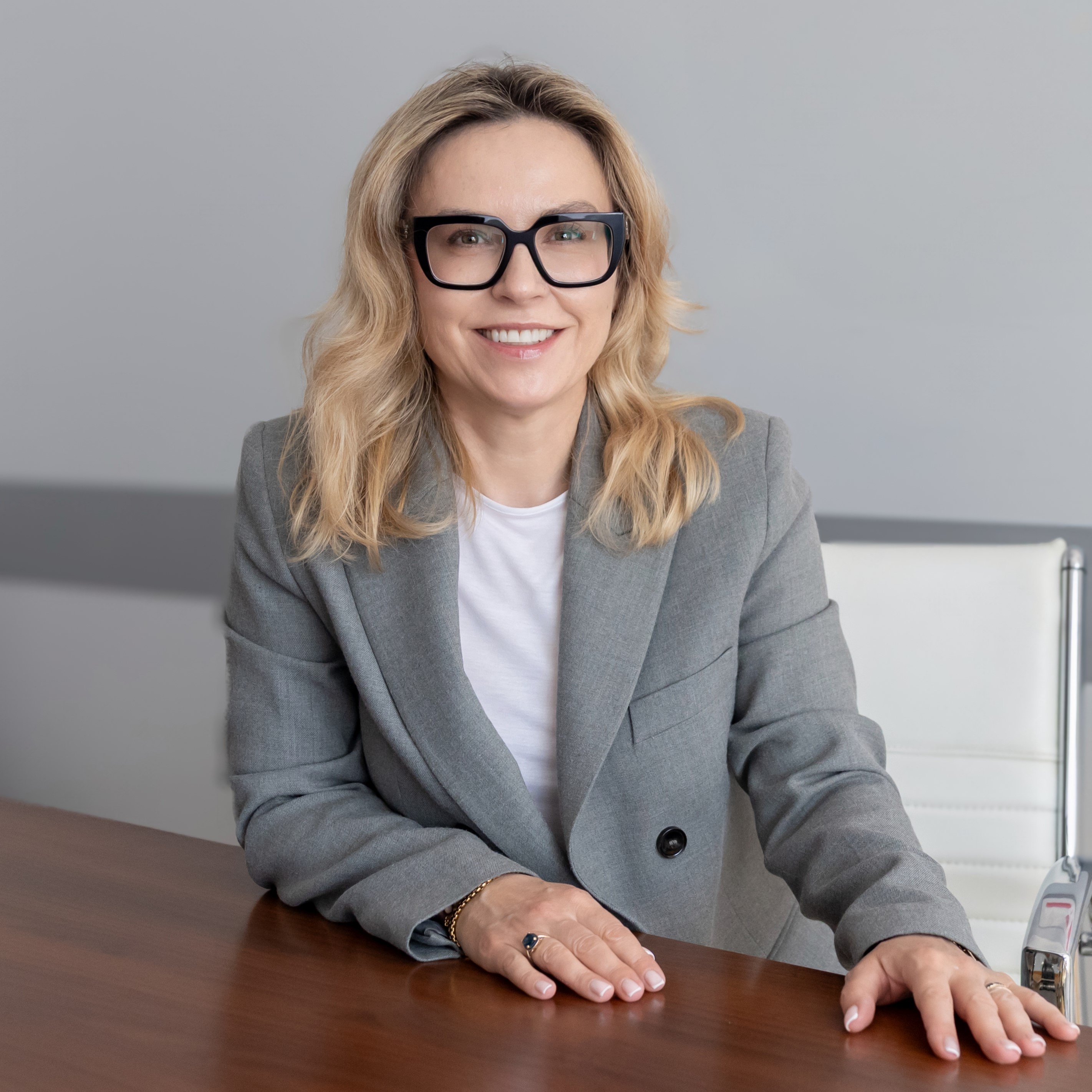
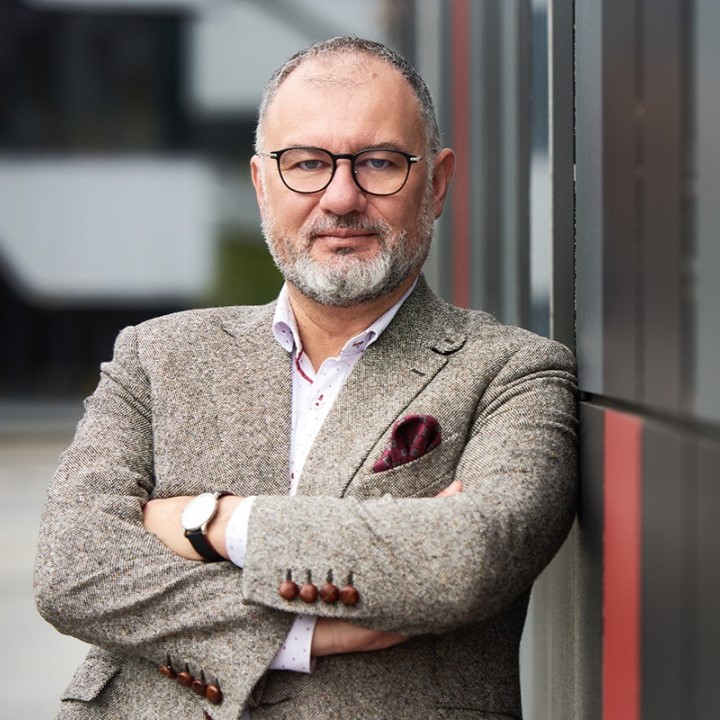 Kraków · Poland
WONE Global Capability Partner · Poland
Complete profile
Attorney at Law. Co-founder of the law firm. Provides litigation services to banks and advises corporate clients in international trade. Supervises the work of the Litigation Department and the International Desk. Chair…
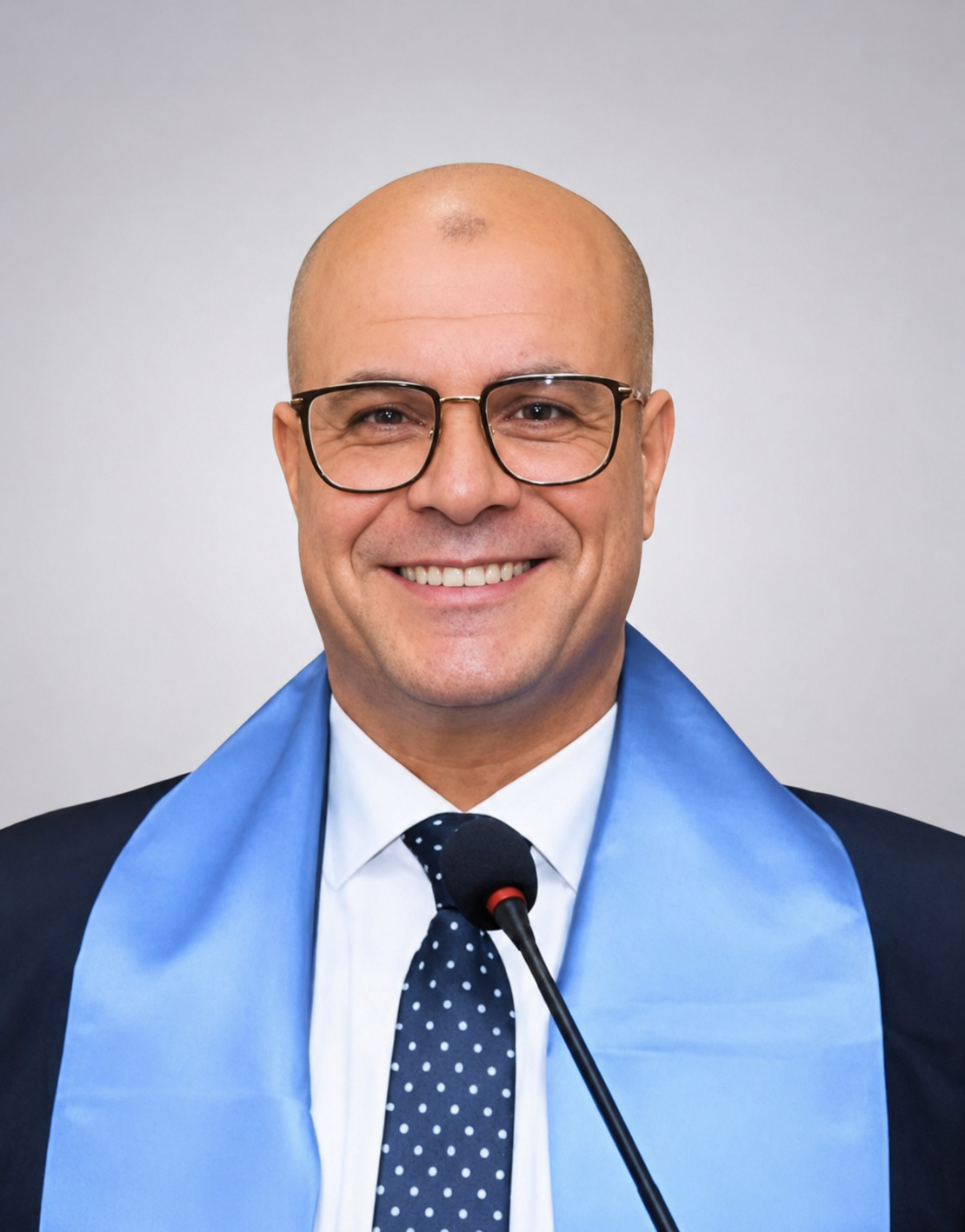
 Buenos Aires · Argentina
WONE Global Capability Partner · Argentina
He is a lawyer with a degree from the University of Buenos Aires and a degree in Spanish Law. He completed postgraduate studies in Strategic Business Management at the Polytechnic University of Madrid and the Glocoll at…
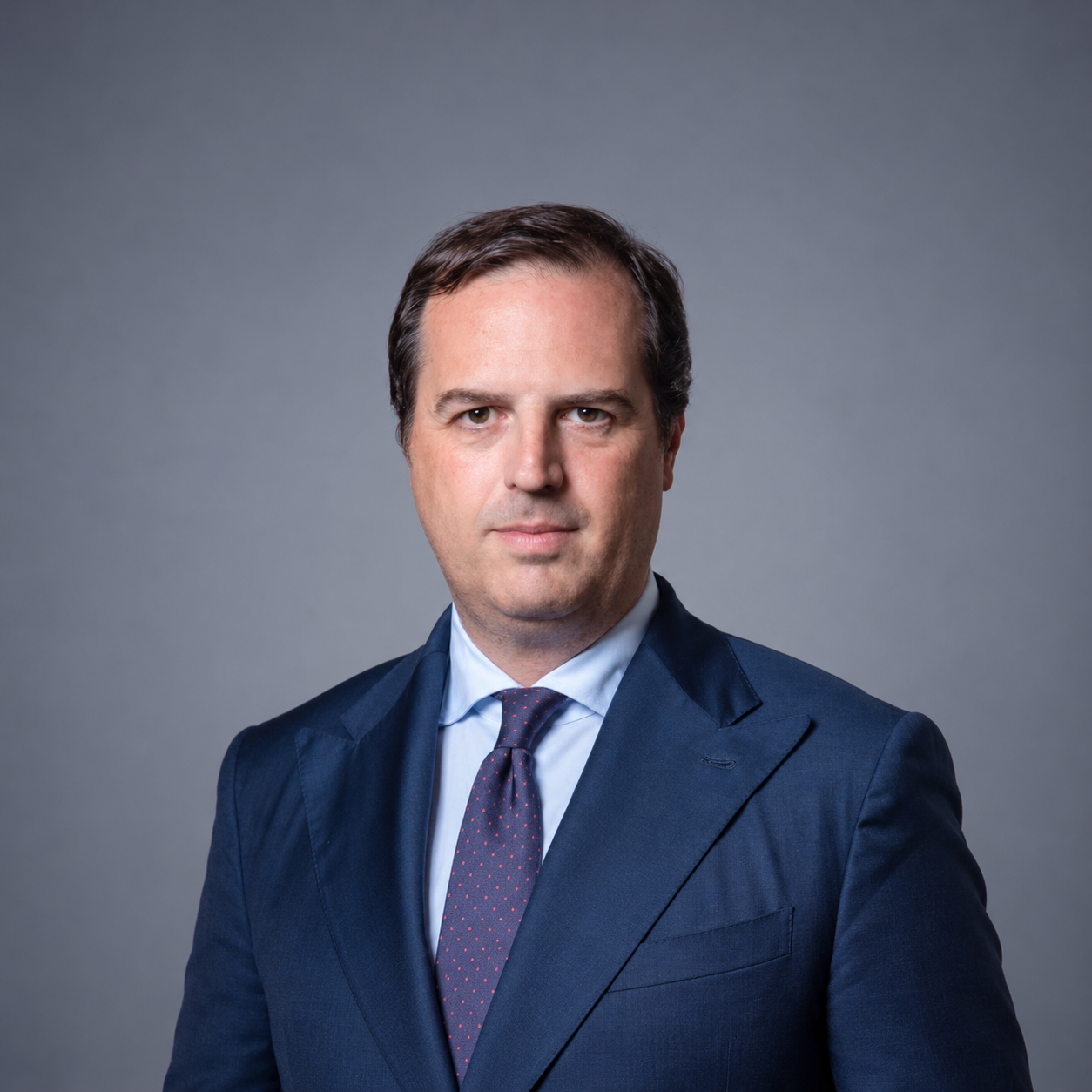
 Tel Aviv · Israel
WONE Global Capability Partner · Israel
Adv. Karin Horev has been practicing corporate and commercial law for more than 20 years, with a focus on complex technology-related matters. Over the years, Karin has led a large number of complex and wide-ranging tran…
Save your questions, decisions and WONE activity in one account.
Forgot your password? Reset it securely.
Partner workspaces are for Partner firms. Explore partnership →
