Industries

The rules and risks of your industry, across borders.

Licences, value chains and the questions businesses in each industry ask first, with the services that usually apply.

Ask about your industry

Licences, approvals and first steps.

Ask WONE Global what applies to your industry in a market, with the sources shown.

Ask WONE Global→
People & firms

The WONE Global Partners in each market.

Named senior professionals, each admitted as the one firm for a service in their country, and the firms they lead.

For professional firms

Lead your service in your market.

One Partner per service, per jurisdiction, admitted by review against published criteria.

Open Partnerships→
Insights

Sourced answers on doing business across borders.

Every statement is labelled: source-checked, professionally reviewed or not yet checked, with its source and date where checked.

Ask WONE Global

Ask your question.

Answers come from statements checked against official sources, with the sources shown. Research, not advice.

Ask WONE Global→

Business situations · Buying and importing across borders

Resolve an import or delivery disruption

Usually led by Customs, trade and export controls, with Contracts and commercial law, Disputes and arbitration and Business insurance. WONE Global brings the areas of expertise and countries together, with a named professional in each market where one is published.

Decisions

The decisions involved

  1. 01What is held, by whom, and on what grounds
  2. 02Contractual rights against supplier, carrier and insurer
  3. 03How to release goods fastest with least cost

Outcomes

What you receive

  • Goods released or rerouted
  • Claims notified against the right parties
  • Lessons fixed in contracts and processes

This is a general guide. Your WONE Global professional confirms the work, timing and fees for your markets before anything starts.

WONE Global Partners

Professionals who handle this work

These are the named professionals for this work. Where none is listed, WONE Global arranges a qualified local firm and tells you who it is first.

Dr. Esteban Lucio MaccariBuenos Aires · Argentina

WONE Global Capability Partner · Argentina

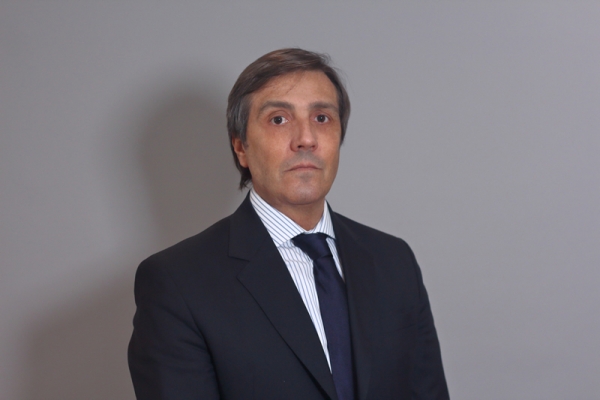
Dr. Esteban Lucio Maccari

Managing Director · Maccari Adam & Asociados · Buenos Aires

He is a lawyer with a degree from the University of Buenos Aires and a degree in Spanish Law. He completed postgraduate studies in Strategic Business Management at the Polytechnic University of Madrid and the Glocoll at…

Roberto GilardinoShanghai · China

WONE Global Capability Partner · China

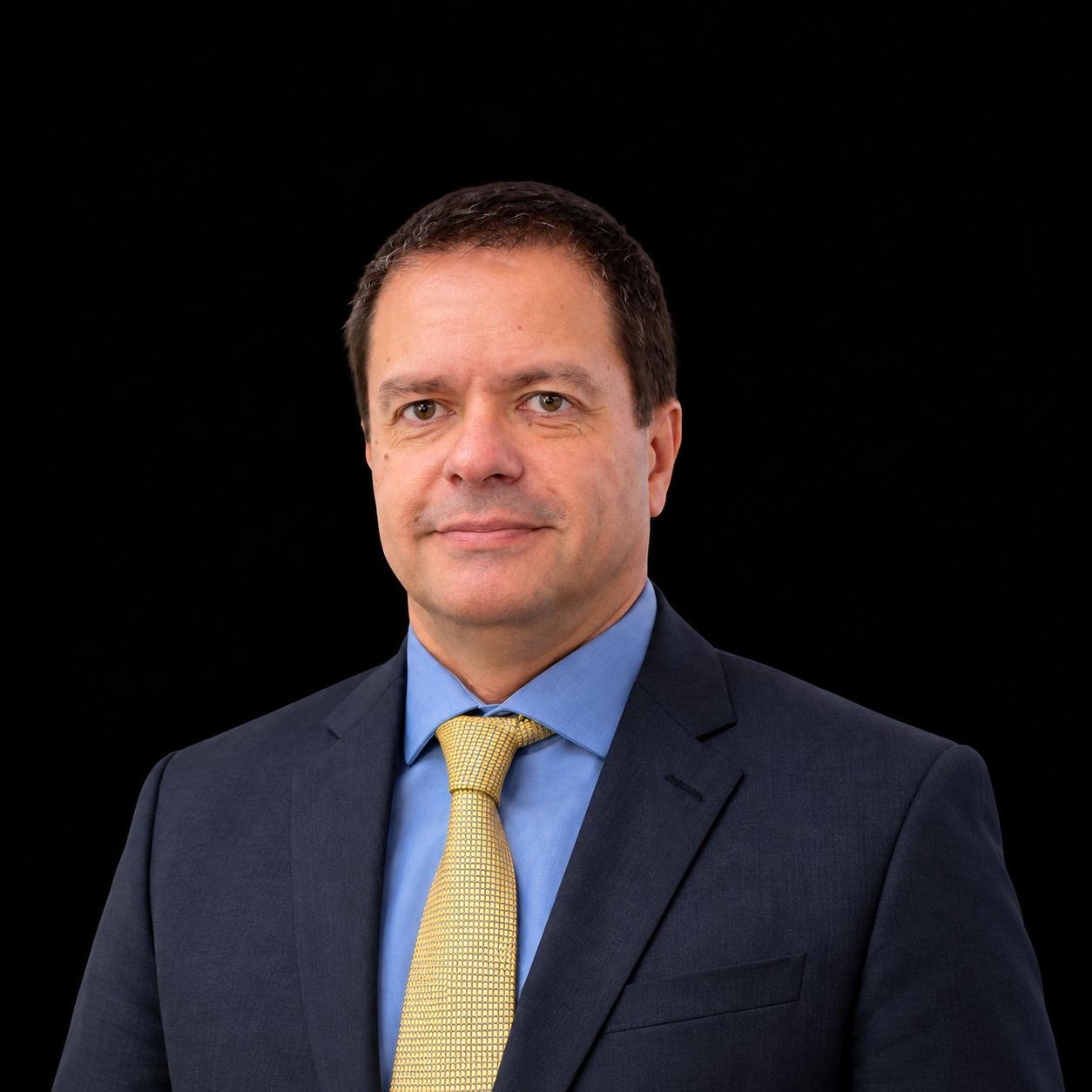
Roberto Gilardino

Regional Partner North Asia & additional countries · Horizons (Shanghai) Corporate Advisory Company · Shanghai

Roberto Gilardino is Regional Partner at Horizons, supervising the advisory’s activities in North Asia as well as additional countries (including Mongolia, Malaysia, Indonesia, Pakistan, UAE, Cyprus and Malta).

Karin HorevTel Aviv · Israel

WONE Global Capability Partner · Israel

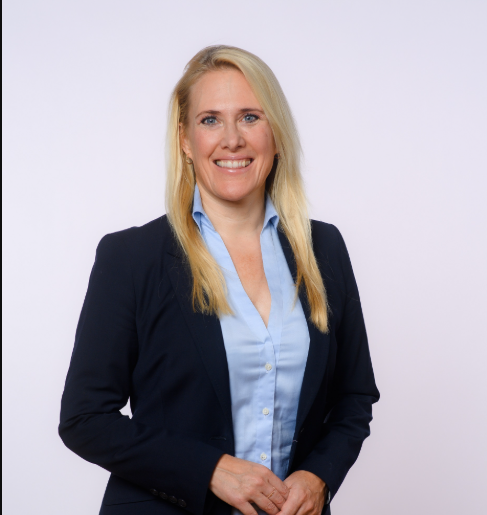
Karin Horev

Founding Partner · Horev & Co. Law Office · Tel Aviv

Adv. Karin Horev has been practicing corporate and commercial law for more than 20 years, with a focus on complex technology-related matters. Over the years, Karin has led a large number of complex and wide-ranging tran…

What the guides say · Trade, Customs & Supply Chain

Customs and trade rules, market by market

Customs and trade rules is usually the first area to review. Choose a market to see its requirements.

Africa4 markets
South AfricaEssentials · source-checkedSouth Africa trades under SACU-based agreements, the AfCFTA and other preferential arrangements administered by SARS Customs. Importers register with SARS, and restricted goods need permits or regulator authority before release.
EgyptEssentials · source-checkedCustoms duties vary by product category, while free zones and the Suez Canal Economic Zone offer duty and VAT relief. Import registration and trade agreements were not confirmed.
KenyaEssentials · source-checkedKenya is part of the East African Community Customs Union and applies its common external tariff to imports from outside the bloc.
NigeriaEssentials · source-checkedNigeria applies the ECOWAS Common External Tariff and duty-free trade within ECOWAS for qualifying goods, with targeted import duty exemptions and free zone relief.
Australia1 market
AustraliaEssentials · source-checkedCustoms is federal and administered by the Australian Border Force under the Customs Act 1901, with GST collected at the border. Australia has a wide network of free trade agreements and strict biosecurity controls.
Central & Eastern Europe1 market
PolandEssentials · source-checkedPoland is part of the EU customs union and applies the Union Customs Code and EU export control rules. Exports and intra-EU supplies of goods are zero-rated for VAT.
East Asia4 markets
ChinaEssentials · source-checkedCustoms is administered by the General Administration of Customs. Import and export duties are governed by the Tariff Law in force since December 2024, and a revised Foreign Trade Law has applied since 1 March 2026.
JapanEssentials · source-checkedExports of controlled goods and technology may need METI authorisation. The 2026 Tax Reform Act brings low-value imports into consumption tax.
South KoreaEssentials · source-checkedCustoms duties are levied under the Customs Act, and Korea has free trade agreements with major partners including the US, the EU, China and ASEAN. Exports are zero-rated for VAT.
Hong KongEssentials · source-checkedHong Kong levies duty on four categories of dutiable commodities, which also need licences. Every import and export shipment still needs a trade statement. CEPA gives qualifying Hong Kong-origin goods zero-tariff access to the Mainland.
GCC5 markets
United Arab EmiratesFull guideThe UAE applies the GCC common customs regime. Most imports pay duty of 5% of the CIF value, with 50% on alcohol and 100% on tobacco, and valuation follows the GCC Common Customs Law.
Saudi ArabiaFull guideSaudi Arabia applies the GCC common external tariff, generally 5% on goods from outside the GCC, and ZATCA runs customs clearance through the FASAH platform. Imports also carry 15% VAT and, for some goods, excise tax.
QatarEssentials · source-checkedImporters need a commercial registration and importer registration. GCC free trade agreements extend preferential access for goods from partner countries.
BahrainEssentials · source-checkedBahrain is a WTO member and part of the GCC customs union. It has a bilateral free trade agreement with the United States, in addition to GCC agreements. Importers need a commercial registration covering import activity.
OmanEssentials · partly source-checkedOman is a WTO member and part of the GCC customs union. It has a bilateral free trade agreement with the United States. Customs clearance is handled through a national electronic single window.
Latin America3 markets
BrazilEssentials · source-checkedBrazil applies the Mercosur Common External Tariff and requires importers to register with the Receita Federal to use Siscomex. Import duty is charged on the customs value.
ChileEssentials · source-checkedIt is a member of the Pacific Alliance and the CPTPP and an associate state of Mercosur. Customs is administered by the Servicio Nacional de Aduanas.
ColombiaEssentials · source-checkedColombia is a member of the Andean Community and the Pacific Alliance, has a trade promotion agreement with the United States in force since 2012 and a trade agreement with the EU provisionally applied since 2013.
Nordics2 markets
SwedenEssentials · partly source-checkedAs an EU member state, Sweden is part of the EU customs union, applies the Union Customs Code and the Common Customs Tariff, and trades under EU free trade agreements.
NorwayEssentials · partly source-checkedNorway takes part in the EU internal market through the EEA Agreement but is not an EU member. Its customs position, tariffs and export control rules could not yet be confirmed from official sources, so treat trade in goods with the EU and…
North America3 markets
United StatesFull guideCustoms, tariffs and export controls are entirely federal: CBP runs entry and collection through its ACE system, the USITC maintains the tariff schedule, and the Commerce Department's BIS controls exports.
CanadaEssentials · source-checkedCustoms is federal and run by the Canada Border Services Agency, export controls and sanctions by Global Affairs Canada. In 2026 Canada applies counter-tariffs to a list of US products, which affects cost planning for US-sourced goods.
MexicoEssentials · source-checkedMexico's tariff law (LIGIE) was amended as recently as 13 October 2026, and the Customs Law and Foreign Trade Law were both reformed in the past year.
South Asia1 market
IndiaFull guideAnyone importing into or exporting from India needs an Importer-Exporter Code from the DGFT, which is the business's PAN. Imports carry basic customs duty, generally 7.5% or 10%, plus a social welfare surcharge and IGST, so landed cost…
Southeast Asia5 markets
SingaporeFull guideSingapore is essentially a free port: customs and excise duties apply only to certain liquors, tobacco, motor vehicles and petroleum products. GST at 9% applies to imports, with relief through licensed warehousing schemes.
MalaysiaEssentials · source-checkedCustoms duties are administered by the Royal Malaysian Customs Department under the Customs Act 1967, with tariffs based on the ASEAN harmonised nomenclature.
VietnamEssentials · source-checkedProduct quality rules were revised from 1 January 2026, introducing risk-based quality management. Customs duties, free trade agreement benefits and import licensing were not confirmed from official sources.
IndonesiaEssentials · partly source-checkedCustoms is administered by the Directorate General of Customs and Excise. Indonesia is a WTO member and trades under ASEAN agreements, RCEP and several bilateral agreements.
ThailandEssentials · source-checkedThe Customs Department applies the Customs Act B.E. 2560 (2017). Thailand is a WTO member and trades under ASEAN agreements, RCEP and a range of bilateral FTAs.
UK & Ireland2 markets
United KingdomFull guideThe UK has its own customs territory and applies the UK Global Tariff unless a trade agreement preference applies; its agreements include the UK-EU Trade and Cooperation Agreement, CPTPP and, since 2026, a UK-India agreement.
IrelandEssentials · source-checkedIreland applies EU customs law and EU trade agreements. Anyone moving goods outside the EU needs an EORI number and customs declarations.
Western Europe7 markets
GermanyFull guideGermany is an EU member state and applies EU customs, tariff and product law, supplemented by national rules in the Foreign Trade and Payments Ordinance.
FranceFull guideFrance applies EU customs law: goods move between EU states without customs formalities, while imports and exports with non-EU countries need an electronic customs declaration and an EORI number.
NetherlandsEssentials · source-checkedAs an EU member, the Netherlands applies EU customs duties to non-EU imports and the EU carbon border mechanism, fully operational from 2026. Dutch-specific customs procedures were not confirmed.
SwitzerlandEssentials · source-checkedSwitzerland is outside the EU customs union and has abolished duties on industrial goods since 2024, though import VAT and other levies still apply. Preferences under free trade agreements depend on rules of origin.
ItalyEssentials · source-checkedItaly applies EU customs law under the Union Customs Code. Importers and exporters need an EORI number, and exports of listed dual-use items need an authorisation.
SpainEssentials · source-checkedSpain applies EU customs law. Importers need an EORI number, non-EU imports bear duty and import VAT, and listed dual-use exports need authorisation.
LuxembourgEssentials · source-checkedLuxembourg applies EU customs law under the Union Customs Code. National customs procedures were not confirmed.
Wider Middle East2 markets
TürkiyeEssentials · source-checkedTürkiye has a customs union with the EU and a wide set of trade agreements, including with EFTA, the United Kingdom, Korea, the UAE and Singapore. Customs procedures, tariffs and export controls were not confirmed in this review.
IsraelEssentials · source-checkedIsrael is a WTO member with free trade agreements with the European Union, the United States, EFTA and a number of other partners, which lower or remove tariffs on qualifying goods. Customs is administered by the Israel Tax Authority.
Other markets20 markets
ArgentinaEssentials · source-checkedArgentina applies the Mercosur Common External Tariff as a founding Mercosur member. National import registration, licensing, export duties and recent tariff changes were not confirmed.
AustriaEssentials · source-checkedAs an EU member state, Austria is part of the EU customs union and applies the common external tariff and EU trade agreements. Customs is administered by Customs Austria under the Federal Ministry of Finance.
BangladeshEssentials · partly source-checkedImports are governed by the Customs Act 2023. Importers and exporters need registration certificates, and many products need certification from the Bangladesh Standards and Testing Institution.
BelgiumEssentials · partly source-checkedBelgium is part of the EU customs union and the Benelux Union, and the port of Antwerp-Bruges is a major entry point for EU imports.
CameroonEssentials · partly source-checkedCameroon is part of the CEMAC customs union with a common external tariff, and applies an Economic Partnership Agreement with the EU. Foreign trade formalities are handled through an electronic single window.
CyprusEssentials · source-checkedCyprus is part of the EU customs union and applies the common external tariff and EU trade agreements. Customs is administered by the Customs and Excise Department.
Czech RepublicEssentials · source-checkedThe Czech Republic is part of the EU customs union and applies the Union Customs Code and EU export control rules. National customs procedures were not reviewed.
DenmarkEssentials · source-checkedDenmark is in the EU customs union, so EU tariffs, trade agreements and product rules apply. Customs is handled by the Danish Customs Agency.
EcuadorEssentials · partly source-checkedCustoms is run by SENAE under COPCI, using the ECUAPASS electronic system. Ecuador is a member of the Andean Community and a party to the trade agreement with the European Union, and it has a trade agreement with China.
FinlandEssentials · source-checkedFinland is in the EU customs union, so EU tariffs, trade agreements and product rules apply.
GreeceEssentials · source-checkedGreece is part of the EU customs union and applies the common external tariff and EU trade agreements. Customs is administered by the AADE. Dual-use exports are controlled under EU rules.
HungaryEssentials · source-checkedHungary is part of the EU customs union and applies the common external tariff and EU trade agreements. Customs is administered by NAV, which also runs the EKAER system.
MoroccoEssentials · source-checkedMorocco has a wide network of trade agreements, including an association agreement with the EU, a free trade agreement with the United States in force since 2006, the Agadir Agreement and agreements with the UK and Türkiye.
New ZealandEssentials · source-checkedNew Zealand Customs Service administers imports and exports under the Customs and Excise Act 2018. Biosecurity controls run by the Ministry for Primary Industries are strict.
PanamaEssentials · source-checkedPanama's trade role is built on the Panama Canal, the Colón Free Zone and its logistics sector. Its trade promotion agreement with the United States has been in force since 31 October 2012, and the trade pillar of the EU-Central America…
PhilippinesEssentials · source-checkedCustoms is administered by the Bureau of Customs, and duties depend on classification under the Customs Modernization and Tariff Act. The Philippines is a WTO member and trades under ASEAN agreements, RCEP and bilateral agreements.
PortugalEssentials · source-checkedPortugal applies EU customs law. Importers need an EORI number, and exports of listed dual-use items need authorisation.
RwandaEssentials · source-checkedRwanda is part of the East African Community, applies the EAC Common External Tariff and belongs to COMESA, and it hosted the signing of the African Continental Free Trade Area agreement.
UgandaEssentials · source-checkedUganda is part of the East African Community Customs Union and applies its common external tariff, and is also a member of COMESA and the African Continental Free Trade Area.
ZambiaEssentials · partly source-checkedZambia trades within the COMESA and SADC free trade areas and is a party to the African Continental Free Trade Area.

Our full guides are checked against official sources. Guides drafted with AI are marked as such. None of this is legal or tax advice.

WONE Global Intelligence

Ask about resolve an import or delivery disruption

Ask in your own words. Answers come from WONE Global's checked records, with every source shown, and end with the named Partner who can act. Go deeper on any point, or build a decision file.

Contact WONE Global

Discuss this requirement with WONE Global.

WONE Global Partners

Professionals for this work

Named professionals connected to this page — each admitted as the specialist for one kind of work in their country, at a firm WONE Global has admitted.

Andrzej ZacharzewskiKraków · Poland

WONE Global Capability Partner · Poland

Andrzej Zacharzewski

Complete profile

Partner · Zacharzewski & Partners Law Office · Kraków

Attorney at Law. Co-founder of the law firm. Provides litigation services to banks and advises corporate clients in international trade. Supervises the work of the Litigation Department and the International Desk. Chair…

Ebrahim Asvat K.Panamá · Panama

WONE Global Capability Partner · Panama

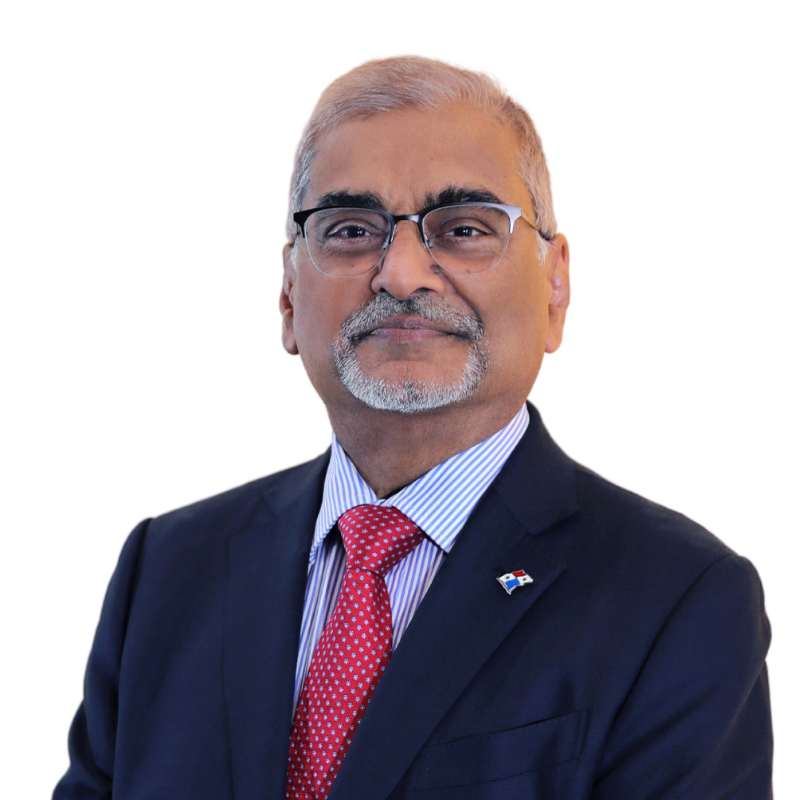
Ebrahim Asvat K.

Managing Partner · Patton, Moreno & Asvat · Panamá

Ebrahim Asvat K. is a founding partner of Patton, Moreno & Asvat. His practice focuses on corporate law, asset and tax planning, mergers and acquisitions, and offshore business structures. He holds an LL.M. from Harvard…