







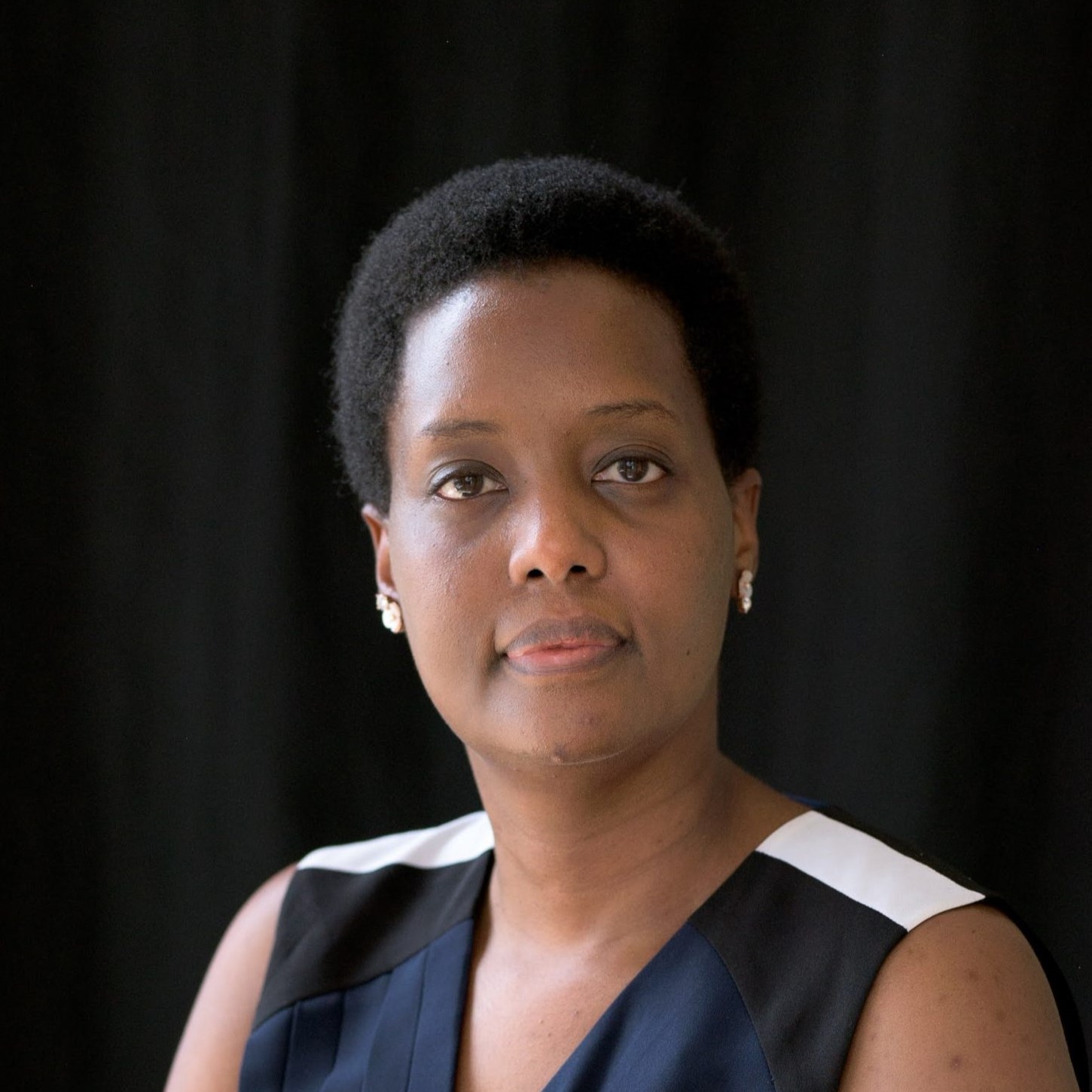





 Pretoria · South Africa
WONE Global Capability Partner · South Africa
Sourced guides to doing business in each market, and the status of every service there. Partners are in place in 32 markets so far.
One WONE Global Partner for each service in each market. Start from what you need to do, or go straight to a service.
Licences, value chains and the questions businesses in each industry ask first, with the services that usually apply.
Ask WONE Global what applies to your industry in a market, with the sources shown.
What one country changes for the other, worked journeys step by step, and who handles each side.
Named senior professionals, each admitted as the one firm for a service in their country, and the firms they lead.
One Partner per service, per jurisdiction, admitted by review against published criteria.
Every statement is labelled: source-checked, professionally reviewed or not yet checked, with its source and date where checked.
Answers come from statements checked against official sources, with the sources shown. Research, not advice.
Accomplished regional specialists and international cross-border intelligence, across 100 countries, with one contact and one published Standard.
Africa · WONE Global market
South Africa is covered by WONE for cross-border business discovery, with links to relevant expertise, professionals, industries and market intelligence. 1 of 18 services have a WONE Global Partner here. For the others, WONE Global confirms availability on request.
Johannesburg · Friday 23 October
05:51
Local time
Market guide · Source-checked research
South Africa is a constitutional democracy with a mixed legal system and a sophisticated financial sector. Most foreign investors use a private company or register an external company with CIPC, and every company must file beneficial ownership information. Corporate income tax is 27 percent and VAT is 15 percent, while cross-border flows still run through the Reserve Bank's exchange control system, which National Treasury has proposed to replace with capital flow management regulations. Personal information is protected under POPIA, enforced by the Information Regulator.
Essentials guide · Source-checked research100% of statements checked against a source54 checked against an official source0 checked against a secondary sourceChecked 2026-10-19Not yet professionally reviewed
South African law combines Roman-Dutch common law with English-influenced procedure and an extensive body of statute. Companies are formed and maintained under the Companies Act, 71 of 2008, through the Companies and Intellectual Property Commission (CIPC); tax and customs are administered by SARS; exchange controls are administered by the South African Reserve Bank's Financial Surveillance Department through authorised dealer banks; competition is policed by the Competition Commission; and data protection sits with the Information Regulator. Black economic empowerment policy affects procurement and licensing in many sectors, but its rules were not sourced for this essentials guide.
Key facts
Foreign businesses usually incorporate a private company or register the foreign company as an external company with CIPC. Beneficial ownership filing is a continuing obligation for almost every registered entity and is now tied to the annual return.
Key facts
CIPC registers five types of company; a private company is the usual vehicle for a foreign-owned subsidiary.
A foreign company that conducts or intends to conduct business in South Africa must register as an external company, so check early whether planned activities cross the section 23 line.
Beneficial ownership must be filed within 10 business days of incorporation and of any change, which means group restructurings abroad can trigger a South African filing.
An annual return cannot be completed without a compliant beneficial ownership declaration, so missed filings can escalate to penalties or deregistration.
Who handles this in South AfricaSetting up and running a companyContracts and commercial lawAnti-bribery, sanctions and compliance
Questions on this topic
6 statements on entry, investment and company formation in South Africa
Companies pay 27 percent corporate income tax and register for VAT at 15 percent once taxable supplies exceed the compulsory threshold, which Budget 2026 raised to R2.3 million. Dividends, interest and royalties paid abroad attract final withholding taxes, and large groups are within South Africa's Pillar Two rules.
Key facts
The corporate income tax rate is 27 percent for years of assessment ending in 2026-27.
VAT is 15 percent; registration becomes compulsory above R2.3 million of taxable supplies a year, but confirm that the threshold change has been enacted.
Dividends tax is 20 percent and withholding on interest and royalties to non-residents is 15 percent, each reducible under a treaty if the conditions are met.
South Africa applies an Income Inclusion Rule and a Domestic Minimum Top-up Tax from fiscal years beginning on or after 1 January 2024.
Who handles this in South AfricaTax and structuringAccounting and annual filingsAudit
Questions on this topic
6 statements on tax, accounting and reporting in South Africa
Employers must pay at least the national minimum wage, contribute to the Unemployment Insurance Fund and, above a payroll threshold, pay the skills development levy. Foreign staff need a work visa, and the available routes depend on skills, intra-group status and local hiring.
Key facts
The national minimum wage is R30.23 per ordinary hour from 1 March 2026.
UIF contributions are 1 percent each from employer and employee, and the 1 percent skills development levy applies once annual payroll reaches R500,000.
Critical skills visas (up to five years) need an occupation on the Critical Skills List; intra-company transfer visas (up to four years) cannot be renewed.
The corporate visa route requires proof that local hires could not be found and a workforce at least 60 percent South African.
Who handles this in South AfricaEmployment, payroll and immigration · Johan Beer
Questions on this topic
6 statements on employment, payroll and mobility in South Africa
Special Economic Zones offer a reduced corporate tax rate and customs relief, and the dtic runs a range of investment incentives. Sector licensing, procurement and property rules were not sourced for this guide.
Key facts
Qualifying companies in approved SEZs may pay corporate income tax at 15 percent.
Parts of an SEZ can be customs controlled areas, where licensed enterprises import goods under rebate.
The dtic offers incentives such as the Section 12I tax allowance, the Automotive Investment Scheme and film incentives, each with its own criteria.
Regulated professions may need a personal liability company and should check with their regulator first.
Who handles this in South AfricaLicences, permits and regulatorsTax and structuringMarket research and partner checks
Questions on this topic
4 statements on licensing, incentives and sector rules in South Africa
Exchange controls still apply and are handled through authorised dealer banks, which report every cross-border transaction. Non-residents can invest and repatriate income freely if the paperwork is in order, but foreign loans need approval. A draft replacement framework was published in April 2026.
Key facts
The SARB administers exchange controls, and every exchange control matter goes through an authorised dealer.
Inward investment and repatriation of income are free if the authorised dealer sees arm's-length pricing and approved financing, so keep evidence of how funds came in.
Shareholder and other foreign loans must be approved and recorded, with interest caps.
Draft Capital Flow Management Regulations, 2026, would succeed the 1961 regulations, but the existing system applies until then.
Banks screen prospective clients, related parties and cross-border payments as part of their FIC Act obligations.
Who handles this in South AfricaPayments and currencyBanking and capitalTreasury and funding
Questions on this topic
6 statements on banking, exchange control and repatriation in South Africa
South Africa trades under SACU-based agreements, the AfCFTA and other preferential arrangements administered by SARS Customs. Importers register with SARS, and restricted goods need permits or regulator authority before release.
Key facts
Preferential agreements include SADC, the SADC-EU EPA, EFTA, SACU-MERCOSUR, the SACUM-UK EPA and the AfCFTA, each with its own origin rules.
Importers register on SARS's RLA eFiling platform at no cost; AfCFTA traders must be registered as exporters or producers.
Check the Prohibited and Restricted list before shipping: some goods need permits and some need an NRCS Letter of Authority.
China's zero-tariff scheme has applied since 1 May 2026.
Who handles this in South AfricaCustoms, trade and export controlsLicences, permits and regulators
Questions on this topic
5 statements on customs, trade and supply chain in South Africa
POPIA governs personal information and is enforced by the Information Regulator. Transfers abroad need a lawful basis under section 72, security compromises must be notified, and information officers must be registered.
Key facts
Transfers outside South Africa need adequate protection in the recipient's law, binding corporate rules or a binding agreement, or another section 72 ground.
Security compromises must be reported to the Regulator and usually to affected individuals as soon as reasonably possible.
Register the information officer with the Regulator through its online portal before they take up duties.
Who handles this in South AfricaData protection and cyberContracts and commercial law
Questions on this topic
4 statements on data protection and cyber in South Africa
CIPC registers trade marks, patents and designs, and copyright in films. Patents last 20 years from filing, and South Africa is a PCT state.
Key facts
Patents last 20 years from the application date, with renewal fees from the third year.
CIPC handles trade marks, patents, designs and film copyright; its service standard for a first trade mark action is 10 months.
International patent filings can enter South Africa through the PCT.
Who handles this in South AfricaTrade marks, patents and brands
Questions on this topic
4 statements on intellectual property in South Africa
Mergers above the intermediate threshold must be notified to the Competition Commission, and the thresholds rose on 1 May 2026. Takeover rules apply to public and certain private companies.
Key facts
Intermediate mergers start at R1 billion combined and R200 million for the target; large mergers at R9.5 billion and R280 million.
Small mergers need no filing, but the Commission can call one in within six months of implementation.
Takeover rules apply to 'affected' companies, which can include private companies with recent large share transfers.
Who handles this in South AfricaBuying, selling and investingContracts and commercial law
Questions on this topic
4 statements on m&a, competition and restructuring in South Africa
PRECCA criminalises public and private bribery, including bribery of foreign officials, and imposes a duty on senior people to report suspected corruption. Financial institutions must run documented AML risk programmes under the FIC Act.
Key facts
PRECCA covers both giving and receiving gratification, and bribery of foreign public officials.
Directors, managers and partners must report suspected corruption or fraud of R100,000 or more to the police's priority crimes directorate.
Penalties reach life imprisonment and fines of up to five times the gratification.
Accountable institutions need a documented AML risk management and compliance programme.
Who handles this in South AfricaAnti-bribery, sanctions and compliance
Questions on this topic
5 statements on anti-corruption, aml and compliance in South Africa
South Africa is a New York Convention state, and arbitration awards can be made orders of court. Foreign court judgments are registrable under statute only from designated countries.
Key facts
Foreign arbitral awards are enforceable under the New York Convention, in force since 1976.
Domestic awards become enforceable once made orders of court, and challenges must usually be brought within six weeks.
Statutory registration of foreign judgments covers designated countries only, so plan for common-law enforcement otherwise.
Court-annexed mediation rules remain in place, but the government mediation service is on hold.
Who handles this in South AfricaDisputes and arbitrationContracts and commercial law
Questions on this topic
4 statements on disputes and enforcement in South Africa
Sources last checked on 19 October 2026. None of it has been professionally reviewed yet: it is research checked against official and secondary sources by WONE Global, not legal or tax advice.
WONE Global Intelligence
Ask in your own words. Answers come from WONE Global's checked records, with every source shown, and end with the named Partner who can act. Go deeper on any point, or build a decision file.
WONE Global Partners
1 of 18 services have a WONE Global Partner in South Africa. For the other 17, WONE Global confirms whether a vetted Associate firm can act and tells you who it is before any work starts.
WONE Global Partners
Senior professionals responsible for WONE Global work in South Africa, under their own professional rules.
Pretoria · South AfricaWONE Global Capability Partner · South Africa
What changed recently
From the Newsroom: changes recorded in this guide, each checked against its official source, with the date it takes effect.
Took effect 1 May 2026
Took effect 1 May 2026
Took effect 1 April 2026
Took effect 1 March 2026
All market notes → · Alerts for South Africa with Watchtower →
Contact WONE Global
Save your questions, decisions and WONE activity in one account.
Forgot your password? Reset it securely.
Partner workspaces are for Partner firms. Explore partnership →
