
The East African Economic Frontier: Is Kenya Losing Its Competitive Edge?
A Comparative Analysis of Policy and Regional Friction (2025–2026) By Abdul BaghaManaging Partner, Innovus Risk and Advisory LLP | Founding Partner, WONE Global I have spent over 28 years in the finance profession. Most of that time was spent as an external auditor working with…


A Comparative Analysis of Policy and Regional Friction (2025–2026)
By Abdul Bagha
Managing Partner, Innovus Risk and Advisory LLP | Founding Partner, WONE Global
I have spent over 28 years in the finance profession. Most of that time was spent as an external auditor working with mid to large-sized audit firms, gaining exposure to SMEs, large conglomerates, banks, insurance companies, retail businesses, manufacturers, and organisations within the NGO sector. I also had the privilege of serving as Group CFO for a major FMCG group for four years.
Throughout these nearly three decades, I have witnessed the changing pulse of the Kenyan boardroom. In the mid-2000s, business conversations were characterised by optimism, ambition, and expansion. Today, in 2026, that mood has shifted significantly. The prevailing sentiment is one of caution, uncertainty, and growing concern.
The cost of doing business has risen dramatically, while consumer purchasing power has declined. Businesses are struggling with increasing operational costs, and consumers are finding it increasingly difficult to afford everyday goods and services. This has created a challenging environment where businesses cannot produce competitively and consumers cannot spend confidently.
The Turning Point
The COVID-19 pandemic was more than a temporary disruption; it became a catalyst for long-term change. It forced organisations to adopt greater financial discipline and rethink traditional ways of working. Remote work, once considered an alternative arrangement, quickly became a standard business practice.
However, external shocks tell only part of the story. Kenya's domestic fiscal environment has also contributed significantly to current challenges. By late 2025, Kenya's foreign debt obligations had reached approximately $40 billion. Servicing this debt, combined with concerns over public spending inefficiencies and corruption, has increased pressure on both the government and the private sector.
The Great Migration: Why Are Brands Leaving?
As of January 2025, more than 200 companies were listed for dissolution. Among them were established brands such as CMC Motors and D.T. Dobie, companies that had been part of Kenya's economic landscape for decades.
The trend extends beyond local businesses. International corporations including Procter & Gamble, GSK, and Bayer have either reduced their presence or exited the Kenyan market altogether, redirecting investments to neighbouring countries such as Tanzania, Uganda, Rwanda, and Ethiopia.
To understand this movement of capital and business activity, it is necessary to examine the competitive differences between Kenya and its regional neighbours.
Kenya vs. Its Neighbours: The Strategic Value Proposition
Kenya remains one of East Africa's most important economic gateways. It possesses a highly skilled workforce, particularly in fintech, technology, and artificial intelligence, as well as strong infrastructure assets such as the Naivasha Dry Port.
Despite these advantages, Kenya's competitiveness is increasingly being challenged by high operating costs.
1. The Energy Bottleneck
Energy remains one of the most critical inputs for industrial growth and manufacturing.
Current electricity costs illustrate the challenge:
- Kenya: $0.10 – $0.20 per kWh
- Ethiopia: $0.003 – $0.06 per kWh
- Uganda: Approximately $0.065 per kWh for large industries
Although Kenya has invested heavily in geothermal power generation, the benefits have not fully translated into lower costs for businesses. Meanwhile, neighbouring countries are leveraging lower electricity prices as a competitive advantage to attract industrial investment.
2. The Labour and Logistics Gap
Kenya has one of the most structured labour markets in the region, with minimum wages ranging from approximately $117 to $145 per month. While this supports workers and strengthens the middle class, it also increases business costs compared to neighbouring countries.
Fuel prices further widen the competitive gap. Retail fuel prices in Nairobi remain significantly higher than those in Dar es Salaam and Addis Ababa. These costs directly impact transportation, distribution, and ultimately the price of goods across the economy.
3. Cost of Living and Essential Commodities
The impact on consumers becomes evident when examining the prices of basic household commodities.
Maize Flour (2kg)
- Nairobi: $1.10 – $1.40
- Dar es Salaam: $0.90 – $1.15
- Kampala: Approximately $0.71 per kg
- Addis Ababa: $0.95 – $1.25
Sugar (1kg)
- Nairobi: $1.60 – $1.95
- Dar es Salaam: $1.25 – $1.50
- Kampala: $0.96 – $1.58
- Addis Ababa: $0.49 – $2.47
Cooking Oil (1L)
- Nairobi: $3.45
- Dar es Salaam: $3.12
- Kampala: $3.06
- Addis Ababa: $3.25
These differences help explain why consumers across the region experience varying levels of financial pressure.
4. Business Environment
The ease of doing business in East Africa continues to be shaped by regional trade agreements, policy consistency, and efforts to remove non-tariff barriers.
Rwanda remains the regional leader in administrative efficiency and business sentiment. Kenya continues to maintain an advantage in ICT, fintech, and financial services, but faces increasing competition from neighbouring markets.
Corporate tax structures across the region include:
| Country | Corporate Income Tax | Alternative Minimum Tax | Digital Service Tax |
|---|---|---|---|
| Kenya | 30% | 2.5% of turnover | 1.5% |
| Tanzania | 30% | 1% of turnover | 1.5% |
| Uganda | 30% | N/A | 5% (non-residents) |
| Rwanda | 28% | N/A | 1.5% |
| Ethiopia | 30% | N/A | N/A |
The Geopolitical Wildcard
Regional integration efforts among Kenya, Rwanda, and Uganda continue to strengthen economic cooperation and labour mobility. These initiatives have made it easier for professionals and businesses to operate across borders.
At the same time, global economic uncertainty remains a concern. The United States tariff measures introduced in April 2025 disrupted global supply chains and increased uncertainty for investors. Although East Africa has not been directly affected to the same extent as larger economies, investor confidence in long-term industrial projects has become more cautious.
Strategic Conclusions: A Choice of Two Paths
East Africa's economic landscape is becoming increasingly competitive.
- Ethiopia is positioning itself as a major growth engine despite currency-related challenges.
- Tanzania and Uganda are leveraging lower energy costs to attract industrial investment.
- Rwanda continues to strengthen its reputation as the region's most efficient administrative and business hub.
Kenya now faces a critical strategic decision. While it remains a sophisticated service economy with strong talent and infrastructure, its high operating costs threaten its long-term competitiveness.
For policymakers, initiatives such as the Bottom-Up Economic Transformation Agenda (BETA) and broader tax reforms must focus not only on revenue generation but also on reducing the structural costs of doing business. Lower energy prices, affordable fuel, improved logistics, and a more efficient operating environment are essential if Kenya is to maintain its position as East Africa's leading economic hub.
The next two years will be decisive. Kenya must either reinvent itself as a competitive, cost-effective destination for investment and industry or risk becoming an increasingly expensive participant in a region that is rapidly evolving around it.
Continue from the commentary into the expertise and market behind it.

Related insight and Decision Intelligence

Kenya: Regulatory change signals for real estate & construction businesses
Prototype WONE Intelligence on regulatory change in Kenya, connected to Accounting, Reporting & Statutory Compliance and the decisions international businesses may need to make.
OPEN →
Oman: Employment signals for consumer & retail businesses
Prototype WONE Intelligence on employment in Oman, connected to Audit & Assurance and the decisions international businesses may need to make.
OPEN →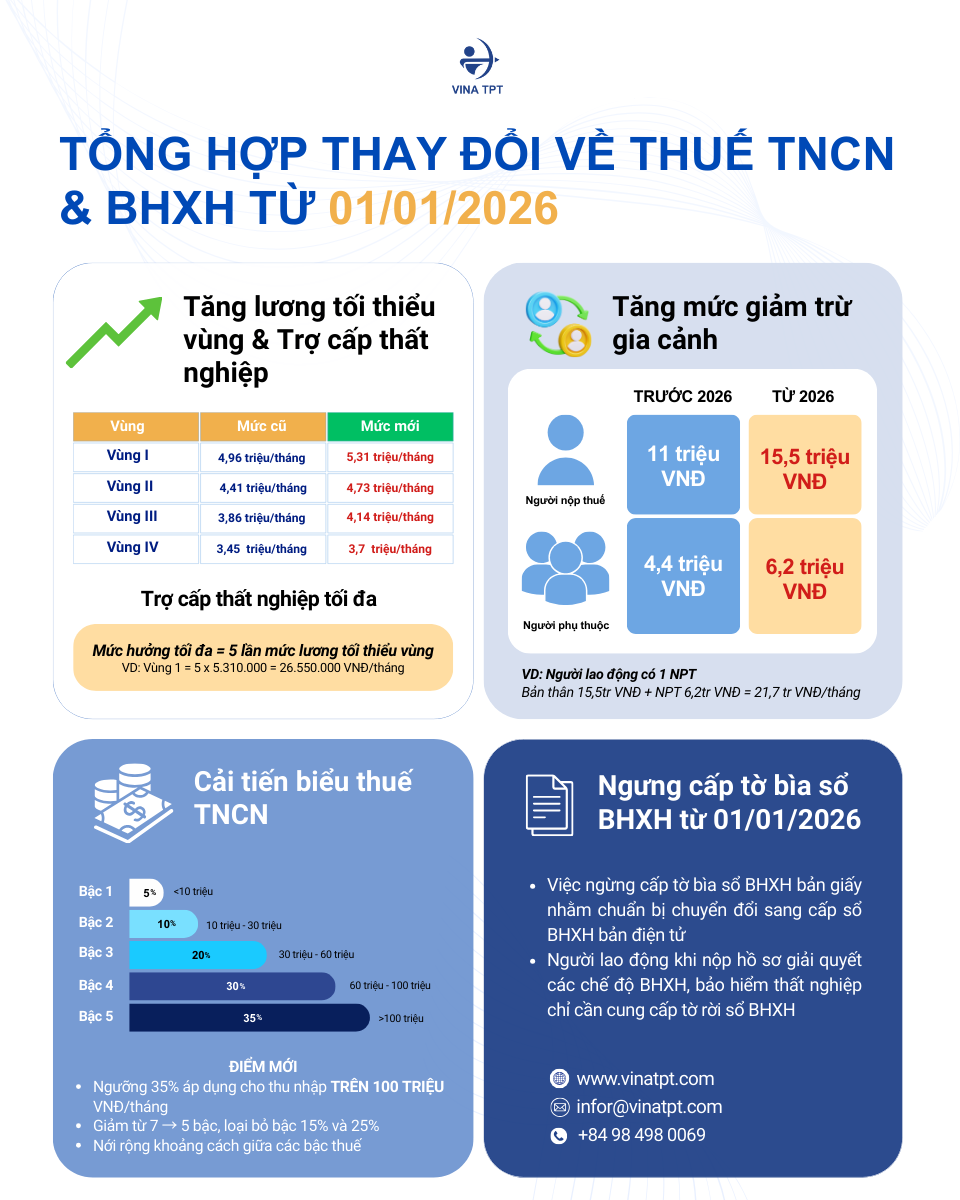
SUMMARY OF CHANGES TO PIT & SOCIAL INSURANCE FROM JAN 1, 2026
Starting from 2026, a series of policies regarding regional minimum wages, family circumstance deductions, and PIT tax tariffs will be officially adjusted. These are considered major milestones aimed at optimizing the actual income for employees: 1️⃣ Adjustment of Regional Minimum Wage & Unemployment Benefits 2️⃣…
OPEN → ▶
▶AI, Empathy & the Future of Law
In this conversation, Kris Seyen discusses the evolving landscape of the legal profession in the age of AI. He emphasizes the importance of empathy, collaboration, and the integration of technology in legal practice. Kris shares insights on how AI can democratize legal advice while also…
OPEN → ▶
▶